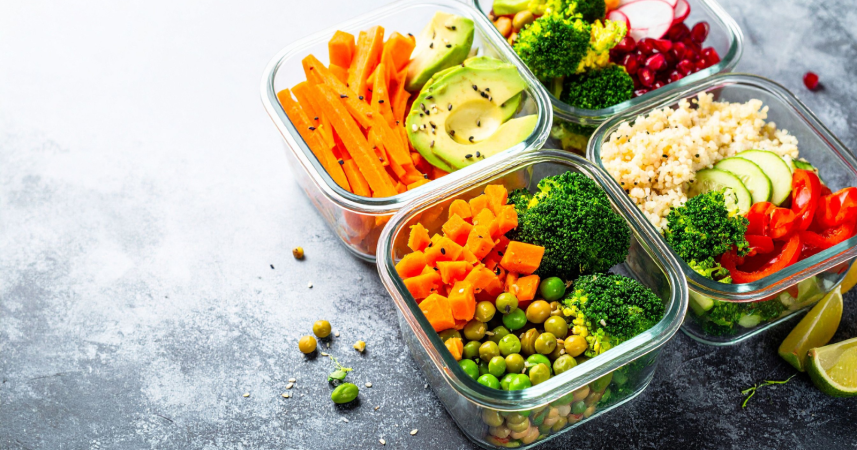
I put five viral vegan meal-prep recipes to the test—and only two proved worthy of surviving the fridge all week.
It started on a Sunday afternoon, the kind where the kitchen sunlight feels like an invitation. I had five recipes queued up on my phone—each one a viral star in its own right.
You’ve seen them scroll by: mason jar noodle soups stacked like edible rainbows, baked oat cups tucked neatly in rows, sheet pans sizzling with tofu, chickpea “tuna” pasta salad ready to be scooped, and that infamous green goddess chopped salad.
The videos made it all look effortless—beautiful food shot in golden light, captions promising “meal prep for the whole week in 20 minutes.”
But I’ve been cooking long enough to know the truth: what works in a thirty-second reel doesn’t always hold up by Thursday night when you’re reheating leftovers.
Meal prep has to do more than look pretty. It has to save time, reduce waste, and—most importantly—taste good after a few days in the fridge.
That was the challenge I set myself: make all five, eat them through the week, and see which ones actually earned a permanent spot in my rotation.
By Friday, I had a clear answer—three fizzled, two flourished. Here’s the full report.
The flops: pretty but not practical
Mason jar noodle soups
This one was pure food-as-art. I layered rice noodles, miso paste, shredded carrots, bok choy, and scallions into clear jars. On day one, they looked like edible bouquets. Add boiling water, stir, and suddenly you’ve got homemade instant ramen—minus the Styrofoam cup. The flavor was lovely: salty, spicy, warming. But by Wednesday the noodles had gone mushy and the greens collapsed into a gray slump. Beautiful? Absolutely. Reliable meal prep? Not so much.
Quick fix idea: Cook noodles only halfway before jarring, and use sturdier greens like kale or cabbage for staying power.
Chickpea “tuna” pasta salad
Viral fame came from its high-protein promise: mashed chickpeas folded into pasta with vegan mayo, celery, and lemon. It hit all the nostalgic notes of picnic food. Fresh, it was hearty and satisfying. By day two, though, the pasta turned chalky and the dressing tightened into a paste. Instead of creamy, it was claggy. I found myself avoiding it.
Quick fix idea: Prep the chickpea salad base and pasta separately, then combine right before eating.
Green goddess chopped salad
This one had me most excited: a massive bowl of finely chopped cabbage, cucumbers, herbs, and a creamy green dressing. Gorgeous color, addictive crunch. But here’s the kicker: herbs oxidize quickly. By day two, the dressing tasted flat, and the salad turned bitter. What began as a showstopper became a fridge-lurking regret.
Quick fix idea: Make the dressing fresh and store veggies undressed until the day of serving.
The winners: recipes worth repeating
Three recipes wilted under the pressure of the week. But two? They carried me through with ease—one savory, one sweet. They didn’t just survive the fridge test, they improved as the days went on.
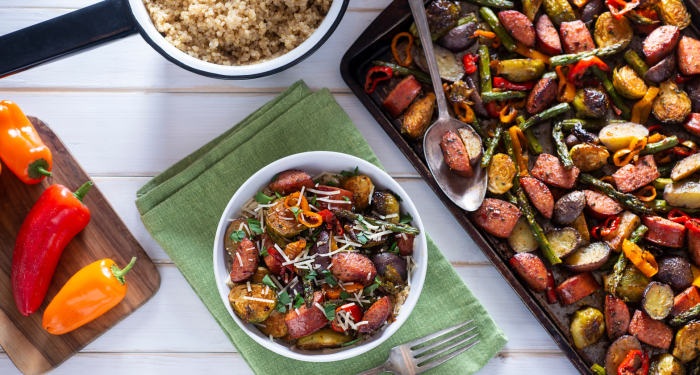
1. Sheet-pan tofu & veggies
Viral fame aside, this is the kind of recipe that proves meal prep can be simple, flexible, and fridge-friendly. One pan, one oven cycle, and you’ve got a base for the week.
Ingredients (4–5 servings)
- 1 block (14 oz) extra-firm tofu, pressed and cubed
- 2 medium sweet potatoes, cut into 1-inch chunks
- 2 bell peppers, sliced
- 1 large red onion, cut into wedges
- 3 tbsp tamari or soy sauce
- 2 tbsp olive oil (or neutral oil)
- 2 cloves garlic, minced
- 2 tsp cornstarch
- Freshly ground black pepper, to taste
Steps
- Preheat the oven to 425°F (220°C). Line a large baking sheet with parchment.
- In a bowl, toss tofu with tamari, garlic, and cornstarch until evenly coated. Spread onto half the sheet.
- In the same bowl, toss vegetables with oil, salt, and pepper. Spread onto the other half.
- Roast 25–30 minutes, flipping halfway, until tofu is golden and vegetables are tender with caramelized edges.
Why it works for meal prep
The tofu holds its chew for days, and the vegetables sweeten over time. By midweek, you can repurpose them over rice, tuck them into wraps, or toss into salads without feeling like you’re eating the same meal twice.
Sustainability bonus: One oven cycle = less energy than juggling burners. Swapping in seasonal vegetables (broccoli in winter, zucchini in summer) keeps the carbon footprint lower and your tastebuds happy.
Chef’s tip: Always double the tofu. Half disappears before the week even begins—snacked straight from the tray.
2. Baked oat cups
These oat cups might look like just another TikTok snack, but they’re secretly a meal-prep powerhouse: portable, endlessly adaptable, and kind to your budget.
Ingredients (12 cups)
- 2 cups rolled oats
- 2 ripe bananas
- 1 cup plant milk (almond, oat, or soy)
- 2 tbsp nut butter or seed butter
- 1 tsp baking powder
- 1 tsp vanilla extract
- Pinch of salt
- Optional toppings: blueberries, walnuts, chocolate chips, jam swirls
Steps
- Preheat the oven to 350°F (175°C). Lightly grease or line a muffin tin.
- In a blender, combine oats, bananas, plant milk, nut butter, baking powder, vanilla, and salt. Blend until smooth.
- Pour batter into muffin tin, filling each cup about ¾ full.
- Top with blueberries, nuts, or chocolate as desired.
- Bake for 20–25 minutes, until set and lightly golden. Cool completely before storing.
Why it works for meal prep
Instead of drying out, the cups become softer and more tender as the week goes on. They reheat beautifully in a toaster oven or taste just as good straight from the fridge.
Sustainability bonus: At about 40 cents per cup, these replace $2–3 packaged snacks while cutting down on single-use wrappers. Plus, oats are one of the most resource-efficient grains, requiring less water and fewer resources than wheat or rice.
Chef’s tip: Bake a plain base batch, freeze it, then top each cup right before eating with nut butter, jam, or fruit. It keeps variety high and waste low.
Meal-prep wisdom from the test kitchen
Trying five viral recipes in one week taught me a few broader lessons—ones that go beyond any single trend.
- Texture is everything. Pretty layers may win views, but if a recipe turns soggy by Wednesday, it won’t win your fridge. Always think ahead to how ingredients change over time.
- Prep in parts. If a dish has elements that wilt, separate them until the last moment. That’s the difference between a sad salad and one that still crunches.
- Double up your staples. Roast extra tofu, grains, or beans. They slide into endless meals and save you from midweek takeout temptation.
- Storage is strategy. Invest in good glass containers or jars. Airtight storage stretches freshness and slashes waste.
Meal prep isn’t glamorous, but it’s one of the quietest ways to support plant-based eating long-term. And as I learned, not every viral trend deserves your Sunday afternoon.
What I learned from a week of viral vegan meal prep
Meal-prepping five viral recipes taught me that pretty doesn’t always equal practical.
Three fizzled out fast, but the sheet-pan tofu and baked oat cups carried me through the week with zero regrets.
They didn’t just last—they reminded me that sustainability isn’t just about choosing plants, but choosing recipes that actually work. Because the less food we throw away, the more impact our choices make.
Meal prep might not rack up likes like a glossy reel, but it’s one of the most powerful everyday tools for living plant-based.
So next Sunday, try roasting a double tray of tofu and veggies. Bake a batch of oat cups. And taste for yourself how sustainability can feel like comfort, not compromise.
What’s Your Plant-Powered Archetype?
Ever wonder what your everyday habits say about your deeper purpose—and how they ripple out to impact the planet?
This 90-second quiz reveals the plant-powered role you’re here to play, and the tiny shift that makes it even more powerful.
12 fun questions. Instant results. Surprisingly accurate.