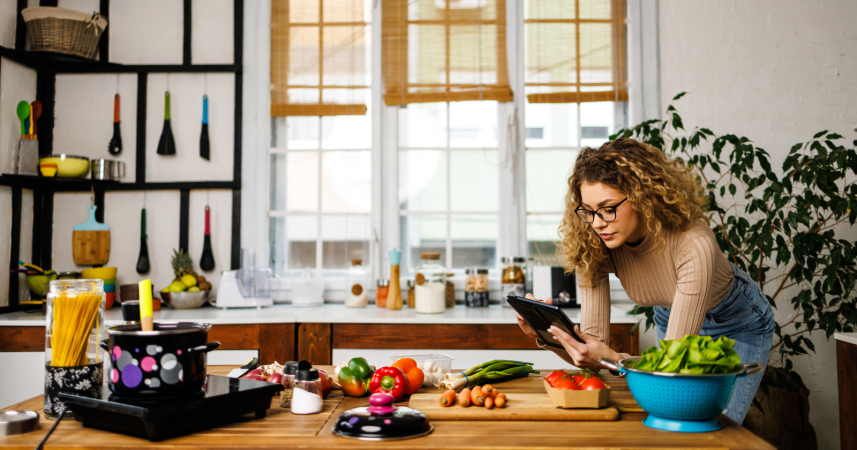
A week of $2 dinners proved that affordable, plant-based cooking isn’t about sacrifice - it’s about creativity, flavor, and smart use of pantry staples.
When grocery prices crept up again this year, I decided to give myself a challenge: could I make hearty, plant-based dinners for under $2 a serving?
I wasn’t aiming for survival food or instant noodles, but real meals that felt satisfying, colorful, and worth repeating.
The rules were simple: use mostly pantry staples, shop local when possible, and skip expensive meat substitutes.
For one week, I cooked five dinners, some creative, some questionable, and by the end, I found three I’d gladly make again.
Here’s what worked, what didn’t, and how you can do it too.
The $2 dinner challenge
Before I started, I did a little math. By building meals around lentils, beans, grains, and seasonal produce, it’s surprisingly easy to keep costs down. According to a study in The Lancet Planetary Health, adopting a plant-based diet can reduce food costs by up to one-third compared to meat-heavy diets.
And as the Cleveland Clinic explains, lentils are high in protein, which helps build and maintain muscles, bones, and skin, while also keeping you fuller for longer - making them a smart choice for both nutrition and budget.
That means every dollar saved at the store also saves water, land, and emissions. Budget-friendly can be planet-friendly too.
1. Chickpea and spinach coconut curry (keeper)
It was a rainy Tuesday when I made this curry, and honestly, I wasn’t expecting much. But one spoonful in, and I knew it was a keeper: creamy, fragrant, and full of flavor. It tastes indulgent but costs less than a latte.
Why it works:
- Pantry ingredients that come together fast
- High in protein and fiber
- Keeps well for lunch the next day
Ingredients (serves 4):
- 1 tablespoon oil
- 1 small onion, chopped
- 2 cloves garlic, minced
- 1 teaspoon grated ginger
- 1 tablespoon curry powder
- ½ teaspoon cumin
- 1 can (15 oz) chickpeas, drained and rinsed
- 1 can (13.5 oz) coconut milk
- 2 cups baby spinach (fresh or frozen)
- Juice of half a lime
- Salt to taste
Steps:
- Heat oil in a pan and sauté onion until translucent.
- Add garlic, ginger, and spices; cook until fragrant.
- Stir in chickpeas and coconut milk; simmer for 10 minutes.
- Add spinach until just wilted. Finish with lime juice and salt.
Cost: About $1.80 per serving
Tip: Serve with rice or flatbread. It freezes beautifully and thickens overnight, so it’s even better the next day.
Legumes are among the most cost-effective sources of protein and iron. This curry proves that budget eating doesn’t have to taste like compromise.
2. Lentil bolognese over pasta (keeper)
Midweek called for something hearty. I wanted comfort food, the kind you’d usually pair with garlic bread and a quiet night in. Lentil bolognese delivered all that and more.
Why it works:
- Feels indulgent yet costs pennies
- Packed with plant protein and fiber
- Family-approved
Ingredients (serves 4):
- 1 tablespoon olive oil
- 1 small onion, diced
- 2 cloves garlic, minced
- 1 carrot, finely chopped
- 1 cup dried brown lentils
- 1 can (15 oz) crushed tomatoes
- 1 teaspoon dried basil
- 1 teaspoon oregano
- 1 tablespoon balsamic vinegar
- 8 oz whole-wheat pasta
- Salt and pepper to taste
Steps:
- Sauté onion, garlic, and carrot in olive oil until soft.
- Add lentils, crushed tomatoes, and one cup of water.
- Simmer for 25–30 minutes until the lentils are tender.
- Stir in herbs, vinegar, salt, and pepper.
- Toss with cooked pasta.
Cost: About $1.70 per serving
Tip: Double the batch and freeze half; it makes a quick meal for busy nights.
Lentils contain more folate and fiber than beef per calorie, yet cost roughly one-tenth as much. No wonder this one made the “make again” list.
3. Sweet potato black bean tacos (keeper)
By Friday, I was ready for something fun. These tacos checked every box: easy, colorful, and satisfying. The sweet potatoes caramelize beautifully, the beans add depth, and a squeeze of lime ties it all together.
Why it works:
- Bright flavors, minimal prep
- Totally customizable
- Uses inexpensive, shelf-stable ingredients
Ingredients (serves 4):
- 2 medium sweet potatoes, cubed
- 1 tablespoon olive oil
- 1 teaspoon chili powder
- ½ teaspoon garlic powder
- 1 can (15 oz) black beans, drained
- 8 small tortillas
- 1 lime, cut into wedges
- Optional toppings: cilantro, salsa, avocado
Steps:
- Preheat the oven to 400°F (200°C). Toss sweet potatoes with oil, chili powder, and garlic powder. Roast 25 minutes until caramelized.
- Warm black beans in a pan with a squeeze of lime.
- Fill tortillas with roasted sweet potatoes and beans. Add toppings of choice.
Cost: About $1.90 per serving
Tip: Swap in pinto beans, corn, or sautéed peppers depending on what you have.
Sweet potatoes are nutrient-dense and low-impact crops that store well, making them ideal for low-waste, affordable cooking.
4. Savory oatmeal with mushrooms and greens (skip)
I wanted to love this one, but it felt more like breakfast pretending to be dinner. Oats are cheap and filling, but paired with sautéed mushrooms and kale, the flavor leaned a bit too earthy for my taste.
Still, it’s worth noting: oats are one of the most sustainable grains around. I’ll save this concept for a cozy brunch instead.
5. One-pan tofu stir-fry with rice and frozen veggies (skip)
Quick, convenient, and fine for a weeknight, but not memorable. Frozen veggies and tofu kept it under budget, yet the dish lacked depth. A homemade sauce or fresh aromatics would help next time.
Lesson learned: even budget cooking benefits from fresh garlic, ginger, and a splash of soy sauce.
What I learned from a week of $2 dinners
Cooking on a budget doesn’t mean settling for bland. It’s about smart planning and using ingredients that stretch, like beans, lentils, rice, and seasonal produce.
The biggest surprise was how naturally sustainable these meals were. Every recipe used minimal packaging, low-impact ingredients, and created almost no waste.
According to an observational study shared by Harvard Health, increasing the proportion of plant-based protein in the diet may reduce the risk of cardiovascular and coronary artery disease.
Eating affordably and sustainably can truly go hand in hand.
Most of all, this challenge reminded me that creativity is the secret ingredient in every good meal.
Good food doesn’t have to be expensive; it just needs a bit of imagination, and maybe a can of chickpeas.
Just launched: Laughing in the Face of Chaos by Rudá Iandê
Exhausted from trying to hold it all together?
You show up. You smile. You say the right things. But under the surface, something’s tightening. Maybe you don’t want to “stay positive” anymore. Maybe you’re done pretending everything’s fine.
This book is your permission slip to stop performing. To understand chaos at its root and all of your emotional layers.
In Laughing in the Face of Chaos, Brazilian shaman Rudá Iandê brings over 30 years of deep, one-on-one work helping people untangle from the roles they’ve been stuck in—so they can return to something real. He exposes the quiet pressure to be good, be successful, be spiritual—and shows how freedom often lives on the other side of that pressure.
This isn’t a book about becoming your best self. It’s about becoming your real self.