No fresh herbs, no chopping, no stress: just a creamy, glossy bowl from shelf staples.
Let’s be real. Most nights aren’t for chasing wild recipes or sprinting to the store for one missing herb.
Most nights, dinner wins when it’s simple, fast, and already in the cupboard.
Here’s how I make a complete, satisfying, vegan pasta dinner using only pantry staples—no fresh produce required, no stress required.
I’ll walk you through the base, the sauce, texture, sides, even dessert.
Ready?
Choose the pasta that fits the mood
Short shapes (rigatoni, penne, shells) hug chunky sauces.
Long shapes (spaghetti, linguine) shine with silky sauces.
Gluten-free? Brown rice or corn blends hold up nicely if you undercook by a minute.
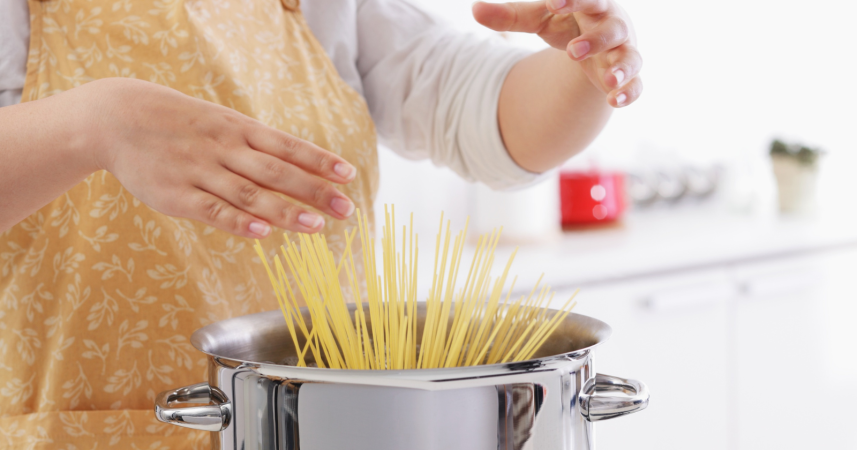
I boil in aggressively salted water and stop one minute shy of al dente so the pasta can finish in the sauce.
If you’re cooking for a crowd, grab two shapes and pretend it’s intentional—it actually creates fun texture.
Build a five-minute sauce from cans and jars
My no-fresh-produce formula is simple:
-
Fat: olive oil or a neutral oil.
-
Body: canned tomatoes (crushed for smooth, diced for chunky), tomato paste for depth, or canned coconut milk for creaminess.
-
Umami: nutritional yeast, soy sauce/tamari, miso paste, or a spoon of olive brine.
-
Aromatics: garlic powder, onion powder, smoked paprika, Italian seasoning.
-
Liquid: pasta water to emulsify and make everything glossy.
For a red sauce, I warm oil, bloom spices for 30 seconds, add tomato paste to caramelize, then stir in crushed tomatoes and a splash of pasta water.
For a “creamy” sauce, I blend coconut milk with a spoon of nutritional yeast, a pinch of garlic powder, and a shot of soy sauce.
Both are weeknight-proof and ridiculously forgiving.
Add protein without opening the fridge
Pantry proteins are your power move.
Canned chickpeas bring buttery bite and starch that thickens sauces.
Cannellini beans go velvety in red sauce.
Lentils (canned or pre-cooked pouches) act like tender “crumbles” when folded in with paprika and soy sauce.
Textured vegetable protein (TVP), rehydrated in hot veggie broth and soy sauce, gives bolognese vibes.
I’ll sometimes do half chickpeas, half lentils for a “meaty” chew that clings to pasta.
Use the aromatics you always have
Yes, fresh garlic is magic, but pantry aromatics can be just as bold if you treat them right.
Bloom garlic powder, onion powder, red pepper flakes, and dried oregano in hot oil before any liquid hits the pan.
This intensifies flavor the same way toasting whole spices does.
If you have jarred items—olives, capers, sun-dried tomatoes, roasted red peppers—slice them small so their salt and acid season the entire pot, not just random bites.
Balance with acid and heat
A sauce goes from “fine” to “I could drink this” when it’s balanced.
If it’s dull, add acid. A teaspoon of red wine vinegar, balsamic, sherry vinegar, or even lemon juice from a bottle wakes everything up.
If it’s flat, add heat. Red pepper flakes or a spoon of chili crisp turn a basic tomato sauce into something you’ll remember.
As M.F.K. Fisher wrote, “First we eat, then we do everything else.” I keep that taped inside my pantry because eating well tonight makes tomorrow’s decisions easier.
Finish like a restaurant
I’ve mentioned this before but the finish is where home pasta becomes “how did you do this?” pasta.
Kill the heat, then stir in a little more fat (olive oil), something salty (olive brine, caper brine, or a tiny splash of soy), something nutty (nutritional yeast), and more pasta water as needed.
Stir vigorously—like you’re whisking a vinaigrette in the pan. That mechanical agitation emulsifies fat and starch into a glossy coating.
Top with toasted breadcrumbs from the pantry (plain or panko) crisped in a teaspoon of oil and a pinch of salt.
Crunch + gloss = satisfaction.
Make a side without fresh produce
You can absolutely plate a full dinner from the pantry.
-
Speedy white-bean “salad”: Rinse cannellini beans, toss with olive oil, vinegar, garlic powder, dried herbs, and jarred roasted peppers. Salt to taste.
-
Antipasti bowl: Olives, artichoke hearts, sun-dried tomatoes, and chickpeas, finished with oregano and chili flakes.
-
Garlic toast: No fresh bread? Use shelf-stable flatbread, crackers, or even crisp up tortillas in a pan with oil and garlic powder. Cut into wedges, sprinkle with nutritional yeast and salt.
Everything here is crunch, acid, and salt—perfect counterpoints to saucy pasta.
Create a pantry-only “creamy tomato” dinner
Here’s my go-to template you can copy tonight:
-
Boil 12 oz pasta in salted water. Reserve 1 ½ cups pasta water.
-
In a skillet, warm 2 tablespoons olive oil. Bloom 1 teaspoon garlic powder, ½ teaspoon onion powder, ½ teaspoon chili flakes, and 1 teaspoon Italian seasoning for 30 seconds.
-
Stir in 2 tablespoons tomato paste; cook until brick red.
-
Add 1 cup crushed tomatoes and ¾ cup coconut milk. Simmer 3–4 minutes.
-
Add 1 can drained chickpeas. Season with 1 tablespoon nutritional yeast and 1–2 teaspoons soy sauce or olive brine.
-
Toss in the pasta with ½ cup pasta water and stir hard until glossy. Add more water as needed.
-
Finish with a teaspoon of vinegar and a glug of olive oil. Shower with toasted breadcrumbs.
Zero fresh herbs, zero chopping, maximum comfort.
Prefer a chunky “arrabbiata” vibe?
Try this variation:
-
Oil + chili flakes + smoked paprika + garlic powder.
-
Diced tomatoes instead of crushed.
-
A spoon of capers and sliced olives for briny pops.
-
Red lentils (pre-cooked pouch or canned brown lentils) for chew.
-
A last-second swirl of olive oil to soften the heat.
It’s loud, spicy, and built entirely from shelf stuff.
Want a “white” pasta without dairy?
Coconut milk is your base; nutritional yeast gives cheesy depth.
Add a teaspoon of miso for umami, a squeeze of lemon juice (bottled is fine) for brightness, and black pepper for bite.
If you have jarred mushrooms or artichokes, chop small and sizzle in oil first to drive off excess moisture.
Finish with toasted breadcrumbs and extra pepper.
Think cacio e pepe, but weeknight and vegan.
Texture: the real secret sauce
Pantry dinners can feel soft. Fight back with layers:
-
Crunch: panko toasted with oil and salt.
-
Chew: lentils or chickpeas folded in at the end so they don’t break down.
-
Cream: coconut milk or a spoon of tahini in spicy tomato sauce.
-
Pop: olives, capers, or sun-dried tomatoes minced small.
-
Heat: chili flakes or jarred pepperoncini brine.
Every bite should have at least two textures. That’s the restaurant trick nobody tells you.
Troubleshoot like a pro
-
Too thick? Add hot pasta water a splash at a time. Stir hard.
-
Too thin? Simmer 2–3 minutes or whisk in a teaspoon of nutritional yeast or a pinch of cornstarch slurry.
-
Too bland? Salt first, then acid, then fat. In that order.
-
Too sharp/tangy? Add a teaspoon of coconut milk, tahini, or a tiny pinch of sugar.
-
Too spicy? Stir in coconut milk or another fat and a bit of pasta water to dilute.
Small fixes, big payoff.
Make dessert (and a drink) from the pantry
-
Chocolate peanut clusters: Melt chocolate chips in the microwave, stir in salted peanuts, spoon onto parchment (or a plate), chill 10 minutes.
-
Date caramel: Blitz dates with a splash of hot water and a pinch of salt; serve over crackers or cookies.
-
Affogato-ish: Pour hot instant espresso over a splash of coconut milk and a square of chocolate in a mug. Stir. Dessert, drink, both.
It’s not fancy. It is delightful.
Stock once, win for weeks
Here’s the shelf-stable bundle that keeps this dinner on repeat:
-
Pasta shapes, tomato paste, crushed and diced tomatoes.
-
Coconut milk, nutritional yeast, TVP or canned lentils/chickpeas.
-
Olives, capers, artichokes, sun-dried tomatoes, roasted red peppers.
-
Olive oil, soy sauce/tamari, vinegars (red wine, balsamic), chili flakes.
-
Garlic powder, onion powder, smoked paprika, Italian seasoning.
-
Panko, crackers or flatbreads, chocolate chips, peanuts, dates, instant espresso.
I keep this list in my notes app and restock before anything runs out. There’s less friction when the basics are always there.
Two complete pantry menus you can copy
Menu A (creamy tomato night)
Creamy chickpea tomato pasta + white-bean roasted-pepper “salad” + chocolate peanut clusters.
Menu B (spicy briny night)
Spicy olive-caper arrabbiata with lentils + antipasti bowl + date caramel on crackers + espresso.
Both are 30-minute, zero-grocery-run dinners.
Why this works on busy weeks
There’s a little psychology here. When options shrink, decisions get easier.
Pantry cooking reduces choice overload and increases follow-through. You’re not debating twelve recipes; you’re assembling from a short list with clear rules.
That momentum—start water, open can, bloom spices—pushes you past the “ugh, what’s for dinner?” wall.
And once you’ve eaten something warm and satisfying, you’ll think better, sleep better, and feel more in control tomorrow.
A quick story from my kitchen
On a late Sunday flight home, I landed to a dark apartment and an empty crisper.
I almost ordered takeout, but the pantry came through: shells, tomato paste, coconut milk, chili flakes, olives.
Fifteen minutes later I had a glossy, spicy, creamy bowl with toasted breadcrumbs and a side of cannellini “salad.”
It tasted like competence. Not fancy—just proof that I’d set Future Me up with a plan. That’s really what pantry pasta is: a plan with a boiled-water timeline.
Short, simple, shelf-stable.
No farmer’s market needed. No apology necessary.
You’ve got everything you need for a proper pasta dinner—right there in the pantry.