My best weeknight ritual started as a tired experiment with chickpeas and a heel of bread.
Here’s what happened.
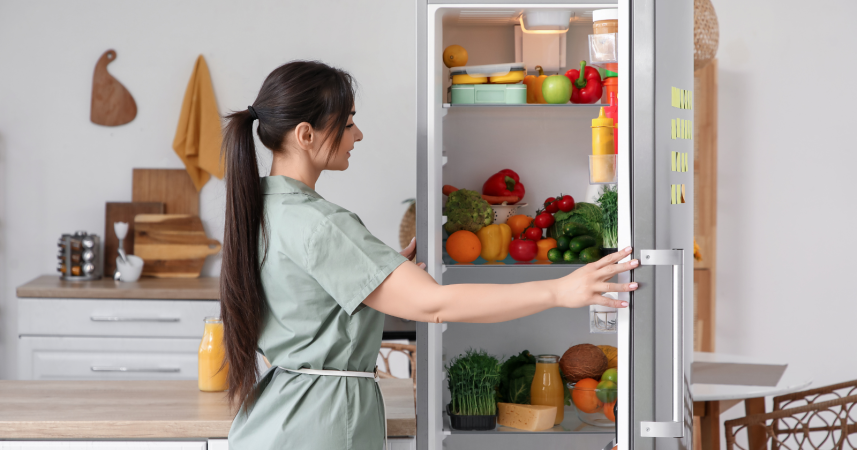
One Sunday I stared into a half-sad fridge: a cup of roasted sweet potato, half an onion, a limp bunch of kale, a heel of sourdough, and a can of chickpeas I’d opened “for later.”
I heated a pan, crisped the chickpeas with smoked paprika, sweated the onion, tore the bread into rough croutons, and folded everything together with lemon and a spoon of tahini.
It was ridiculous.
Now I make some version of that leftover skillet every week. The food is good, sure. But the bigger surprise is how one happy accident changed how I eat, plan, and think.
Below are the takeaways that keep me returning to that pan.
Constraints
People love to say creativity needs freedom. In my kitchen, creativity needed boundaries. A near-empty fridge is a boundary.
So is “dinner in 15 minutes.” I didn’t have room to overthink.
As Orson Welles said, “The enemy of art is the absence of limitations.”
A smaller box made my choices bolder. No fresh herbs? Double the lemon. No fancy protein? Chickpeas do the heavy lifting. Tight constraints can punch holes in perfectionism and let action in.
Small bets
I didn’t “optimize a weekly menu.” I tried one small bet—make what I have, eat it hot, notice what works.
The best routines I’ve stuck with started as tiny experiments. A skillet is a great lab. If the flavors clash, I’m out one meal, not a month of planning. If they sing, I’ve got a repeatable pattern.
Small bets lower the cost of being wrong and raise the odds you’ll actually try again tomorrow.
Flavor memory
I started keeping a loose “flavor memory” list on my phone.
Not recipes—pairs. Lemon + tahini. Miso + maple. Chili crisp + lime. Roasted sweet potato + cumin. That list makes improvising fun and fast.
If you’re plant-based or plant-curious, flavor is your best friend.
The chickpea kale skillet hits every corner: salty (olives or capers), sour (lemon), fat (tahini or olive oil), heat (chili flakes), and something crunchy (toasted crumbs).
I’m convinced the reason leftover cooking sticks is because it gives you a reliable way to hit those notes with whatever you’ve got.
Decision fatigue
After work, “What’s for dinner?” is rarely a culinary question. It’s a decision-fatigue question. The leftover skillet became my default. Not every night. Just the nights when my brain feels like a phone at 2%.
Defaults save you from nibbling your way to nowhere.
When you have one go-to that’s nourishing and fast, you cut out the 20-minute scroll through delivery apps and the four back-and-forth texts about pizza vs. noodles.
The IKEA effect
There’s a reason the thing you assemble yourself feels a little magical.
Researchers call it the “IKEA effect”—we tend to value what we put labor into. In one study, participants “saw their amateurish creations as similar in value to the creations of experts.”
I didn’t grow the kale or mill the flour. But I did rescue the stragglers from the fridge, turn them into dinner, and make the house smell like a bistro.
That sliver of effort turns a humble bowl into something I’m oddly proud of. Pride amplifies pleasure. Pleasure invites repetition.
Systems
I’ve mentioned this before but goals are fragile, systems are sturdy. My system here is simple:
-
Keep a couple of “glue” ingredients around: canned beans, lemons, tahini, miso.
-
Batch-roast one or two vegetables on the weekend if I can.
-
Store a jar of toasted crumbs or nuts on the counter for crunch.
-
Put a small skillet where I can see it. Yes, really.
When a system has three or four low-friction steps, it survives messy weeks. It also turns “healthy eating” from a moral project into a practical workflow.
Speed
I time the skillet. Ten to twelve minutes, pan to plate. That matters. When healthy food is slower than takeout, takeout wins. When healthy food is faster, a funny thing happens: you don’t need willpower.
Quick outline if you want to steal this:
-
Heat olive oil in a wide pan.
-
Add drained chickpeas; leave them alone until they jump and crisp.
-
Push to the side; soften sliced onion in the same pan.
-
Toss in ripped kale or spinach; let it wilt.
-
Fold in any roasted veg you’ve got.
-
Finish with lemon, tahini, salt, and chili flakes. Top with toasted crumbs.
That’s a template, not a law. Swap chickpeas for white beans. Use vinegar if you’re lemon-less. Peanut butter in place of tahini works shockingly well.
Friction
The best trick I stumbled into was reducing setup friction. I keep lemons in a visible bowl. The can opener lives beside the stove. A small container of toasted breadcrumbs sits next to the salt.
This is backed by behavior folks like BJ Fogg, who notes that simplifying—making an action easier—increases the chances you’ll do it (his “B=MAP” model is a great rabbit hole if you’re curious; here’s his lab).
I don’t need to become a different person to eat well. I need to remove three seconds of searching for the zester.
Texture
If dinner feels flat, it’s usually a texture problem. The skillet taught me to add crunch, chew, and cream to every bowl.
Crunch could be torn toast, seeds, or pan-crisped chickpeas saved out at the end. Chew might be roasted squash or mushrooms. Cream comes from tahini, cashew yogurt, or a quick miso-mayo.
Once you start thinking in texture, leftovers stop being “random.” They become components that play different roles. That mindset makes repeat dinners feel fresh.
Seasonality
Same template, different season. In winter, I go sweet potato + kale + smoky paprika.
Spring leans peas and mint, with lemon and a hit of miso. Summer is tomatoes, corn, basil, and chili crisp. Fall gets roasted carrots with cumin and a squeeze of orange.
Seasonal swaps keep cravings alive. The story stays the same, the cast rotates.
Enoughness
There’s quiet confidence in eating what you already have. Not scarcity. Enoughness.
The skillet is a small weekly reminder that “enough” can be delicious. That feeling tends to spread. I shop a little calmer. I stop chasing miracle products. I trust myself to make good things from ordinary parts.
Sharing
The first time I served my accidental favorite to friends, someone asked for the “recipe.”
I laughed and wrote: “hot pan, chickpeas, onion, something green, lemon, tahini, crunch.” They made it at home and texted back with their own spin.
We pass around a lot of complicated advice. Sometimes the generous thing is a template that makes people feel capable right now.
Food is practice for that kind of generosity.
Gratitude
This bowl nudged me to be grateful in specific ways.
I thank past me for roasting extra veg. I thank the farmer who grew the kale. I thank the lemon for being acid and brightness in one cheap package.
Gratitude isn’t abstract when it’s warm in a bowl in front of you.
Also, yes, it tastes better when you sit down, take a breath, and pay attention to the first bite.
Repeatability
Craving something weekly isn’t about novelty. It’s about trust. I trust that if I heat the pan, add beans, greens, acid, and crunch, I’ll be happy in twelve minutes. That trust frees up energy for the rest of my life.
If you try your own version, keep it simple:
-
Start with one dependable protein (beans or lentils).
-
Pick a green that wilts nicely.
-
Choose an acid and a fat you love.
-
Add heat or herbs if you’ve got them.
-
Give your future self a gift: toast breadcrumbs or nuts and store them.
Then repeat. Notice what you crave. Adjust. Repeat again.
I didn’t set out to design a habit, read a study, or optimize a diet. I set out to not waste food and feed myself on a tired night.
Turns out, that’s a pretty solid path to better eating, fewer decisions, and more joy.
Dinner doesn’t have to be a project. It can be a 12-minute reminder that you have enough, you know enough, and you can always make something good from what’s there.
Just launched: Laughing in the Face of Chaos by Rudá Iandê
Exhausted from trying to hold it all together?
You show up. You smile. You say the right things. But under the surface, something’s tightening. Maybe you don’t want to “stay positive” anymore. Maybe you’re done pretending everything’s fine.
This book is your permission slip to stop performing. To understand chaos at its root and all of your emotional layers.
In Laughing in the Face of Chaos, Brazilian shaman Rudá Iandê brings over 30 years of deep, one-on-one work helping people untangle from the roles they’ve been stuck in—so they can return to something real. He exposes the quiet pressure to be good, be successful, be spiritual—and shows how freedom often lives on the other side of that pressure.
This isn’t a book about becoming your best self. It’s about becoming your real self.