Good food lingers long after the dishes are done. Great plant-based food makes people rethink what’s possible.
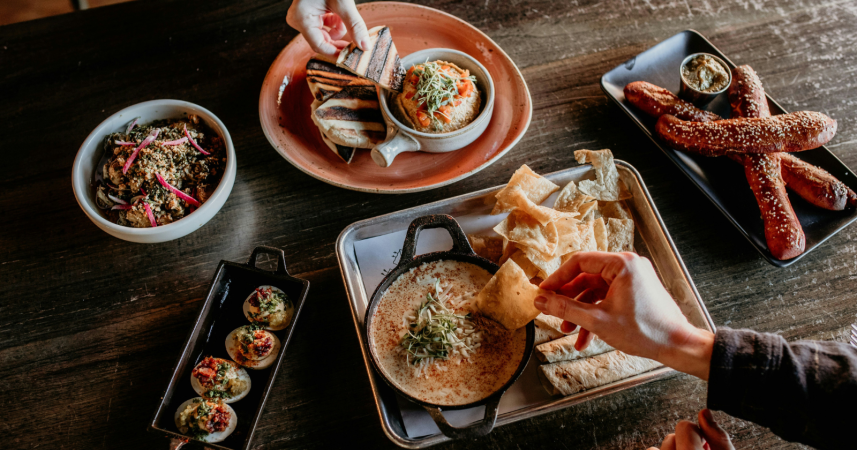
I love that moment right before guests arrive—the table’s set, playlists are queued, and the kitchen smells like you’ve been planning this for weeks (even if you pulled it together in an afternoon).
“People who love to eat are always the best people,” said Julia Child, and while she wasn’t exactly known for plant-based cooking, the sentiment still lands.
Food is connection. It’s joy. It’s the reason people linger.
Below are four vegan recipes that have earned me the kind of compliments that make doing the dishes feel noble.
They’re showy without being fussy, make-ahead friendly, and tuned for maximum flavor. Let’s cook.
1. Roasted whole cauliflower, tahini-herb drizzle
If you want a centerpiece that sparks conversation the second it hits the table, this is it. A whole head turns tender inside and beautifully bronzed outside. Slice it like a roast; everyone gets a dramatic wedge.
Why it works: High heat + a quick steam ensures the core softens. The tahini-herb drizzle brings brightness and creaminess. Pomegranate seeds pop for color and acid.
Serves: 4–6 as a side, 3–4 as a main
Ingredients
-
1 large cauliflower, leaves trimmed but core intact
-
3 tbsp olive oil
-
1 tsp smoked paprika
-
1 tsp ground cumin
-
½ tsp ground coriander
-
1 tsp fine sea salt, plus more to taste
-
Freshly ground black pepper
-
2 tbsp lemon juice, divided
-
2 tbsp water
Tahini-herb drizzle
-
⅓ cup tahini
-
1 small garlic clove, grated
-
Juice of ½ lemon
-
2–4 tbsp cold water (to thin)
-
2 tbsp finely chopped parsley
-
1 tbsp finely chopped dill (optional)
-
Pinch of salt
To finish
-
¼ cup pomegranate seeds
-
2 tbsp toasted almonds or pistachios, chopped
-
Extra herbs, olive oil
Method
-
Heat oven to 240°C / 465°F. Bring a large pot of salted water to a boil.
-
Lower the cauliflower (core down) into the pot and simmer 5–6 minutes to jump-start cooking. Drain well and pat dry.
-
Whisk olive oil, paprika, cumin, coriander, salt, pepper, and 1 tbsp lemon juice. Brush all over the cauliflower, getting into the crevices.
-
Place on a parchment-lined sheet. Roast 20 minutes, then spoon any pan oil back over the head. Roast another 15–20 minutes until deep golden and a knife slips through the core.
-
Stir tahini, garlic, lemon juice, and a pinch of salt. Whisk in cold water, a spoon at a time, until pourable. Fold in herbs.
-
Rest the cauliflower 5 minutes. Squeeze the remaining 1 tbsp lemon juice over the top. Slice into thick wedges. Shower with drizzle, pomegranate, nuts, herbs, and a thread of olive oil.
Pro tip: If you’re cooking for a crowd, roast two heads side-by-side. They reheat well at 180°C / 350°F for 10 minutes.
2. Miso carrot dip, dukkah crunch
This is the dip that makes people ask for the recipe before they’ve finished their first bite. Sweet roasted carrots meet mellow white miso and creamy cannellini beans. A generous sprinkle of dukkah (nut–seed–spice topper) adds crunch and swagger.
Why it works: Roasting concentrates carrot sweetness. Miso brings umami. Beans add body without extra oil.
Serves: 6–8 as an app
Ingredients
-
700 g carrots, peeled and cut into chunky coins
-
2 tbsp olive oil
-
1 tsp maple syrup
-
1 tsp ground cumin
-
½ tsp smoked paprika
-
½ tsp salt, plus more to taste
-
1 small head of garlic, top sliced off (keep the skin on)
-
1 can (425 g) cannellini beans, drained and rinsed
-
1½ tbsp white miso
-
2 tbsp lemon juice
-
2–4 tbsp cold water
-
1 tbsp olive oil (for blending)
Quick dukkah
-
¼ cup hazelnuts or almonds
-
2 tbsp sesame seeds
-
1 tbsp coriander seeds
-
1 tsp cumin seeds
-
Pinch of salt
To serve
-
Crudités, warm pita, crackers, or toasted baguette
-
Chili oil (optional)
-
Chopped parsley or cilantro
Method
-
Heat oven to 220°C / 425°F. Toss carrots with olive oil, maple, cumin, paprika, and salt. Wrap the garlic head in foil with a drizzle of oil and a pinch of salt.
-
Roast carrots and garlic 25–30 minutes until soft and caramelized.
-
For the dukkah: toast nuts in a dry pan until fragrant. Transfer to a board. In the same pan, toast sesame, coriander, and cumin seeds until they pop. Chop everything together, then add a pinch of salt.
-
Squeeze the roasted garlic cloves from their skins. Add carrots, soft garlic, beans, miso, lemon juice, olive oil, and 2 tbsp water to a processor. Blend until silky, adding more water to loosen. Taste and adjust salt/acid.
-
Swirl into a shallow bowl. Top with dukkah and a flick of chili oil. Scatter herbs. Serve warm or room temp.
Make-ahead: Blend the dip the day before; keep the dukkah dry until serving so it stays crunchy.
3. Harissa maple Brussels sprouts, pistachio dust
I’ve mentioned this before, but the fastest way to get non–Brussels sprout people on board is to roast them hard and finish with something sweet–spicy. This version uses harissa paste and maple syrup for a glaze that clings and chars.
Why it works: High heat + cut sides down = deep caramelization. The glaze reduces into a sticky shell. Lemon finishes the job.
Serves: 4 as a side
Ingredients
-
700 g Brussels sprouts, trimmed and halved
-
2 tbsp olive oil
-
1½ tbsp harissa paste (mild or hot—your call)
-
1 tbsp maple syrup
-
¾ tsp fine sea salt
-
Freshly ground black pepper
-
Zest and juice of ½ lemon
-
¼ cup pistachios, very finely chopped (pistachio “dust”)
-
2 tbsp coconut yogurt or plain vegan yogurt (optional)
Method
-
Heat oven to 230°C / 450°F. Toss sprouts with oil, harissa, maple, salt, and pepper.
-
Arrange cut side down on a large sheet (don’t crowd). Roast 16–20 minutes until edges are deeply browned.
-
Toss with lemon zest and a squeeze of juice.
-
Transfer to a platter. Flick on the yogurt in thin ribbons (a spoon or squeeze bottle works). Shower with pistachio dust.
Host’s note: If your oven is already packed, do these in a hot skillet. Finish under the broiler for 1–2 minutes for that char.
4. Dark chocolate olive oil mousse, espresso salt
Dessert needs to feel special but not sink your night in dishes. Enter aquafaba—the liquid from a can of chickpeas—which whips into glossy peaks like egg whites. Fold it into melted dark chocolate + olive oil and you get a mousse that tastes like it took pastry school and a weekend.
Why it works: Aquafaba traps air for lightness. Olive oil keeps it lush. A tiny hit of espresso and flaky salt makes the chocolate taste bigger.
Serves: 6
Ingredients
-
180 g dark chocolate (70%), chopped
-
¼ cup extra-virgin olive oil (fruit-forward works beautifully)
-
1 tsp vanilla extract
-
1 tsp instant espresso powder (or very finely ground coffee)
-
1 can (400 g) chickpeas, liquid reserved (aquafaba)
-
½ tsp cream of tartar or ½ tsp lemon juice
-
⅓ cup powdered sugar or superfine sugar
-
Pinch of fine sea salt
-
Flaky salt for topping
Method
-
Microwave or double-boiler the chocolate until just melted. Whisk in olive oil, vanilla, and espresso. Cool 5 minutes.
-
In a clean bowl, beat aquafaba and cream of tartar on high until soft peaks form (4–6 minutes). Gradually rain in sugar and a pinch of salt; beat to glossy medium-stiff peaks.
-
Stir a big spoonful of aquafaba into the chocolate to loosen it. Gently fold in the rest in three additions, keeping as much air as possible.
-
Spoon into six glasses. Chill at least 1 hour.
-
Serve with a pinch of flaky espresso salt (mix ½ tsp espresso powder with 1 tsp flaky salt) on top.
Make-ahead: These hold for 24 hours, covered. Add salt at the table so it stays crunchy.
Hosting notes that actually matter
A few small moves turn these from “great recipes” into a night people talk about next week.
-
Season until it sings. As Samin Nosrat put it, “Salt has a greater impact on flavor than any other ingredient.” Link her work to your muscle memory and taste as you go.
-
Texture is half the story. Crunch (dukkah, pistachio), cream (tahini, mousse), char (Brussels), pop (pomegranate). Build a plate like a playlist—variety keeps attention.
-
Color wins before the first bite. I love that, and it also nudges me to put beautiful, abundant plant food in the spotlight—because the optics matter when you’re convincing the skeptics.
-
Prep the day before. Whisk the tahini drizzle, toast the nuts, make the dip, chill the mousse. Day-of energy goes to roasting and plating.
-
Plating trick: Big platters, tight piles, a final glaze (olive oil or chili oil), and something fresh on top. We do eat with our eyes first—even the science folks concede presentation affects taste perception.
How I time everything
I’m a fan of reverse-engineering dinner. Here’s a 90-minute flow that keeps you present with your guests instead of stuck in the kitchen:
-
T-90: Preheat ovens. Start the whole cauliflower (blanch, season, into the hot oven).
-
T-80: Carrots + garlic go in on a second rack.
-
T-60: Whip the aquafaba; fold mousse; chill.
-
T-45: Toast nuts/seeds for dukkah; chop herbs and pomegranate.
-
T-30: Blend carrot dip; bowl it; garnish.
-
T-25: Brussels sprouts into the roaring hot oven as the cauliflower finishes.
-
T-10: Rest cauliflower; finish sprouts with lemon and pistachio; whip together tahini drizzle.
-
T-0: Slice and plate the cauliflower with all the bling. Serve sprouts immediately. Set out dip with warm pita. Mousse stays chilling until you’re basically done with mains.
Swaps for the crowd you’ve got
-
Nut-free: Use toasted pumpkin and sunflower seeds for the dukkah and garnish.
-
Gluten-free: Everything here already is—just choose crackers or crudités wisely.
-
No harissa? Use gochujang or a spoon of chili crisp plus a splash of rice vinegar.
-
No tahini? Almond butter thinned with lemon and water is shockingly great.
-
Kid wary of sprouts? Swap broccoli florets and shorten roast time.
The bottom line
Hosting is 10% recipe and 90% intention.
These four dishes give you the scaffolding—big flavor, dramatic plating, easy timing—so you can make the night about your people. That’s what they’ll remember (right after asking for that mousse recipe).
“Find something you’re passionate about and keep tremendously interested in it,” Julia Child said. If your passion tonight is getting high-fives for plant-based food, you’re in the right kitchen.
VegOut Magazine’s November Edition Is Out!
In our latest Magazine “Curiosity, Compassion & the Future of Living” you’ll get FREE access to:
-
- – 5 in-depth articles
- – Insights across Lifestyle, Wellness, Sustainability & Beauty
- – Our Editor’s Monthly Picks
- – 4 exclusive Vegan Recipes