When humble ingredients meet good technique and a clean plate, even tofu turns heads.
There’s a magic trick I love in the kitchen: take simple plants, treat them with care, and plate them like you mean it.
You don’t need foie gras or fourteen ingredients to get a wow. You just need contrast, clean flavors, and a few techniques that look far fancier than they are.
As Samin Nosrat reminds us, “Salt, fat, acid, and heat are the four elements of good cooking.” That compass works just as well for dinner at home as it does in a Michelin kitchen.
Below are three dishes I make when I want date-night energy without chef-level stress. They’re weeknight-easy, restaurant-pretty, and 100% plant-based.
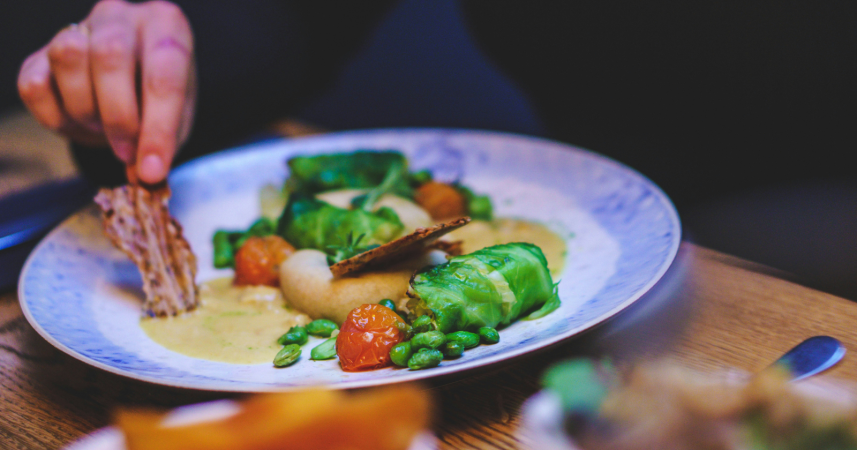
A quick note on plating before we dive in. Use wide, flat plates if you have them. Leave negative space so the food can breathe. Add one vertical element (a shard of something crisp, a pile of herbs) and one glossy element (a sauce or oil). I’ve mentioned this before but it’s wild how much “restaurant” merely comes from a clean rim and a drizzle.
Let’s cook.
1. Crispy polenta with roasted mushrooms
This is my not-so-secret dinner party move. You cook polenta once, chill it, then pan-fry squares until they’re golden and crisp. Mushrooms bring that deep, savory note. A bright lemon-thyme jus ties it all together.
What you’ll need (serves 4)
-
1 cup dry polenta (or quick-cooking cornmeal)
-
4 cups vegetable broth or water
-
2 tablespoons vegan butter or olive oil
-
½ cup finely grated vegan Parmesan-style cheese (optional but nice)
-
16 ounces mixed mushrooms (cremini, oyster, shiitake), torn or sliced
-
3 tablespoons olive oil, divided
-
2 large shallots, thinly sliced
-
2 cloves garlic, minced
-
½ cup dry white wine or vegetable broth
-
1 tablespoon fresh thyme leaves
-
Zest and juice of ½ lemon
-
Salt and black pepper
-
Fresh parsley, to finish
How to make it
-
Cook the base. Bring the broth to a simmer. Whisk in the polenta and a big pinch of salt. Cook over low heat, whisking, until creamy and pull-away-from-the-pan thick (about 15–20 minutes; 5–7 if using quick-cook). Stir in vegan butter and “Parmesan.” Taste and season.
-
Set it. Spread into a parchment-lined 8x8-inch pan, smooth the top, and chill until firm (at least 30 minutes; faster in the freezer).
-
Roast the mushrooms. Toss mushrooms with 1½ tablespoons olive oil, salt, pepper, and half the thyme. Roast on a sheet pan at 425°F (220°C) for 15–18 minutes, until browned at the edges.
-
Make the jus. Sauté shallots in ½ tablespoon oil until soft, add garlic for 30 seconds, then deglaze with wine or broth. Reduce by half. Stir in remaining thyme, lemon zest, and 1 tablespoon lemon juice. Whisk in ½ tablespoon olive oil to gloss. Season.
-
Crisp the polenta. Cut the chilled slab into 8 squares. Pan-fry in the last tablespoon oil over medium-high heat, 3–4 minutes per side, until deeply golden.
Plating like a pro
-
Spoon a shallow puddle of lemon-thyme jus on each plate.
-
Set a polenta square slightly off-center. Lean a second square against it for height.
-
Tumble roasted mushrooms over and around.
-
Finish with parsley, a crack of pepper, and a few lemon zest strands.
Why it looks fancy
Texture contrast (creamy interior, crispy exterior), glossy sauce, and height. That’s it.
Flavor-wise, you’ve got salt (cheese), fat (olive oil/butter), acid (lemon), and heat (the sear) doing the heavy lifting—Nosrat’s compass in action.
Time-saver swaps
-
Use the “tube” polenta from the store; slice and crisp.
-
Skip the roast and pan-sear mushrooms in batches for extra browning.
2. Charred cauliflower steak with smoked almond romesco
Cauliflower steaks are the poster child for “humble to haute.” The trick is a ripping-hot pan for color, then a quick oven finish. Romesco—a blended sauce of roasted peppers, nuts, and olive oil—brings smoke and tang. A herbal oil makes it restaurant-pretty.
What you’ll need (serves 4)
For the cauliflower
-
2 large heads cauliflower
-
2 tablespoons olive oil
-
Salt and pepper
-
½ teaspoon smoked paprika (optional)
For the smoked almond romesco
-
1 jar (12 ounces) roasted red peppers, drained
-
½ cup toasted almonds (or smoked almonds for bonus drama)
-
1 small garlic clove
-
1 tablespoon red wine vinegar
-
¼ teaspoon smoked paprika
-
¼ cup extra-virgin olive oil
-
Salt and pepper
For the herb oil
-
½ cup flat-leaf parsley leaves
-
¼ cup extra-virgin olive oil
-
Pinch of salt
How to make it
-
Make the romesco. Blend peppers, almonds, garlic, vinegar, smoked paprika, and a pinch of salt. Drizzle in the olive oil until silky. Adjust salt and acid to taste.
-
Make the herb oil. Blitz parsley, olive oil, and salt until bright green. If you don’t have a blender, chop parsley very fine and stir into oil.
-
Prep the steaks. Trim the outer leaves, keep the core intact. From the center of each head, cut two 1½-inch “steaks.” Use the extra florets for another meal, or roast them as a snack.
-
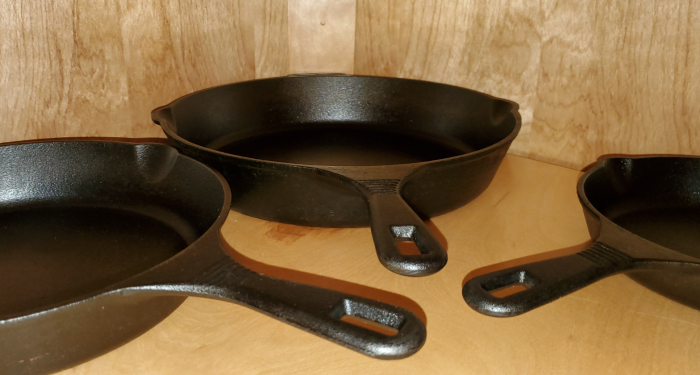
Char and finish. Season steaks with salt, pepper, and smoked paprika. Sear in a hot cast-iron pan with oil, 3–4 minutes per side, until deep brown. Transfer the pan to a 425°F (220°C) oven for 8–10 minutes, until just tender.
Plating like a pro
-
Smear a generous swoosh of romesco across the plate with the back of a spoon.
-
Set the cauliflower steak on the sauce, slightly angled.
-
Dot the plate with herb oil and a few toasted almond crumbs.
-
Add a lemon wedge for shine and a pop of acid at the table.
Why it looks fancy
Color blocking. The red romesco, pale-gold cauliflower, and emerald oil look like a food magazine cover. And because you charred hard then finished gently, the interior stays tender while the crust sings.
One tiny science detour
“Browning equals flavor” is more than a catchphrase—it’s the Maillard reaction in action, the chemistry that creates new, savory compounds as foods brown. Harold McGee has written extensively about this; the gist is simple: deep browning = deeper flavor.
Make-ahead tips
-
Romesco keeps for a week in the fridge; herb oil holds 3–4 days.
-
Cauliflower steaks can be cut a day in advance and stored in a sealed container with a paper towel.
3. Silken tofu “panna cotta” with balsamic strawberries
This dessert looks like it came out of a tasting menu and takes less time than binge-watching a single episode. Silken tofu blends into a creamy base that sets softly—no dairy needed. A quick balsamic maceration turns strawberries ruby and fragrant. A sprinkle of basil sugar makes it sparkle.
What you’ll need (serves 6)
For the panna cotta
-
14 ounces silken tofu (shelf-stable box or refrigerated)
-
1 cup full-fat coconut milk (from a can), well-stirred
-
⅓–½ cup sugar or maple syrup, to taste
-
1 teaspoon vanilla extract
-
1 tablespoon fresh lemon juice
-
1 teaspoon agar-agar powder (for a soft set)
For the berries
-
1 pound strawberries, hulled and quartered
-
1 tablespoon sugar
-
2 teaspoons good balsamic vinegar
-
Pinch of salt
For the basil sugar
-
¼ cup granulated sugar
-
6–8 large basil leaves
How to make it
-
Blend the base. In a blender, combine tofu, coconut milk, sugar, vanilla, and lemon juice. Blend until completely smooth.
-
Activate the agar. In a small saucepan, whisk agar into ½ cup water. Bring to a gentle boil and simmer 1–2 minutes to dissolve, whisking. With the blender running on low, stream in the hot agar mixture and blend 15 seconds.
-
Set. Pour into six lightly oiled ramekins or into shallow bowls for a more modern look. Chill until set, about 1–2 hours.
-
Macerate the strawberries. Toss berries with sugar, balsamic, and salt. Let them sit for 10–15 minutes until glossy and juicy.
-
Make the basil sugar. Finely chop basil with sugar until it looks like green sand. Or pulse in a mini food processor.
Plating like a pro
-
Unmold the panna cotta onto a chilled plate (dip the ramekin base briefly in warm water and run a thin knife around the edge). If you set them in bowls, skip unmolding.
-
Spoon strawberries and their syrup around, not on top—show off that wobble.
-
Dust the rim and a corner of the panna cotta with basil sugar.
-
Add a micro-basil sprig or tiny basil leaf for a final flourish.
Why it looks fancy
Shine and softness. The glossy berries, the gentle jiggle, the emerald sugar—it’s a study in contrast. And because the base leans mildly sweet with a whisper of coconut, the balsamic’s acidity snaps everything into focus.
Allergy and pantry notes
-
No agar? Chill the blended base without it for a luscious mousse in glasses.
-
No strawberries? Use peaches, cherries, or oranges with a pinch of cardamom.
-
Coconut-free? Swap in oat milk creamer plus 2 tablespoons cocoa butter for body.
A few universal tricks that make any plant plate look like fine dining
-
Keep portions modest. Two crisp polenta squares, one cauliflower steak, a neat oval of panna cotta. Small looks intentional.
-
Add acid last. A squeeze of lemon or a teaspoon of vinegar right before serving makes flavors pop.
-
Use two temperatures. Warm mushrooms on cool plates, cold panna cotta with room-temp berries. Your mouth reads that as complexity.
-
Garnish with purpose. Herbs should taste like something, not just sit there. Parsley with mushrooms, basil with strawberries, chives with cauliflower.
One last thing I’ve learned from traveling and nosing around professional kitchens: pros are relentless about tasting. Before a plate leaves the pass, a cook touches up salt, adds a dot of sauce, wipes the rim.
Don’t skip that last 30 seconds at home. It’s the difference between “nice” and “whoa.”
The bottom line
None of these recipes ask for unusual skills or gear.
But they deliver the kind of plate that makes people sit up a little straighter.
Start with one tonight. Keep the plating clean. Season boldly. Then let the food do the talking.
If You Were a Healing Herb, Which Would You Be?
Each herb holds a unique kind of magic — soothing, awakening, grounding, or clarifying.
This 9-question quiz reveals the healing plant that mirrors your energy right now and what it says about your natural rhythm.
✨ Instant results. Deeply insightful.