A VegOut Pillar
Think Deeper
Psychology, behavior, philosophy — the interior of conscious living.

Editor's pick
Jeremy Clarkson is in remission from aggressive prostate cancer — but the part of his story that actually matters is the private screening he says caught what routine NHS checks may have missed
Jeremy Clarkson has confirmed he is in remission from an aggressive prostate cancer caught during a routine check in May 2025 — and is using his platform to push UK men toward screening that isn't offered…

What Hemingway's "True Nobility" Quote Is Actually Saying — And What It's Not

Psychology says people who become happier in their second half of life usually haven't fixed their problems — they've simply stopped treating their problems as obstacles to happiness

Psychology Says People Who Become Genuinely Kinder in Their Second Half of Life Usually Aren't Softening — They've Simply Done Enough Internal Work to Recognize Themselves in the Difficult People They Used to Judge




People who reach retirement with no close friends are sometimes the people who held closeness to a higher standard than most adults are willing to apply — and the small daily cost of that standard accumulated quietly into the season they're sitting in now, which isn't really loneliness so much as honest accounting.

A father just turned 70, and he's one of the happiest men around — and the closer you look, the more you realize his happiness isn't about anything he has, it's about the long list of things he stopped needing somewhere in his fifties

Most people don't realize that boomers are the first generation to grow old in neighborhoods where few people know their name
All Think Deeper

The High-Functioning Lonely Person: The One Who Shows Up Early, Remembers Every Birthday, and Organizes Every Gathering — Until the Sixties Arrive and It Becomes Clear Nobody Ever Returned the Favor

What emotionally exhausted people look like when they're functioning perfectly

I spent endless years being reliable, reasonable, and easy to get along with — and somewhere around 31 I realized that those three qualities had quietly become a cage I built for myself out of other people's comfort

The loneliness that's hardest to name may not be the kind that comes from being alone — it's the kind that shows up in a crowded room when few people there would notice if you left early

People Who Reach Midlife With No Close Friends May Not Be Unlikable—They're Often the Ones Who Gave Too Much for Too Long to People Who Never Gave Back
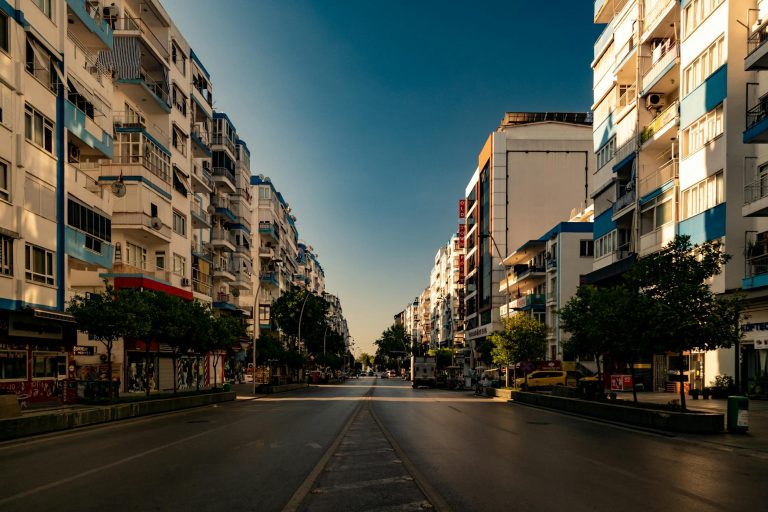
Most people don't realize that boomers are the first generation to grow old in neighborhoods where few people know their name

The loneliness people feel in retirement may not really be about the absence of coworkers or schedule — it may be the slow recognition that work had been doing the quiet job of telling them who they were, and the quiet of an empty Tuesday morning is the first time in forty years they've had to answer the question themselves

People who still write things down on paper may not be resisting technology — they're preserving a thinking process that lets the mind hear itself

Adults who chronically prioritize others' expectations over their own desires can gradually lose touch with genuine excitement
Many adults may lose touch with genuine joy when they spend years keeping other people okay

Four hours at a dinner party without saying one true thing — and it had nothing to do with lying

People who keep learning into their 60s and 70s may be reclaiming a self they once set aside for others