A VegOut Pillar
Think Deeper
Psychology, behavior, philosophy — the interior of conscious living.

Editor's pick
Jeremy Clarkson is in remission from aggressive prostate cancer — but the part of his story that actually matters is the private screening he says caught what routine NHS checks may have missed
Jeremy Clarkson has confirmed he is in remission from an aggressive prostate cancer caught during a routine check in May 2025 — and is using his platform to push UK men toward screening that isn't offered…

What Hemingway's "True Nobility" Quote Is Actually Saying — And What It's Not

Psychology says people who become happier in their second half of life usually haven't fixed their problems — they've simply stopped treating their problems as obstacles to happiness

Psychology Says People Who Become Genuinely Kinder in Their Second Half of Life Usually Aren't Softening — They've Simply Done Enough Internal Work to Recognize Themselves in the Difficult People They Used to Judge




People who reach retirement with no close friends are sometimes the people who held closeness to a higher standard than most adults are willing to apply — and the small daily cost of that standard accumulated quietly into the season they're sitting in now, which isn't really loneliness so much as honest accounting.

A father just turned 70, and he's one of the happiest men around — and the closer you look, the more you realize his happiness isn't about anything he has, it's about the long list of things he stopped needing somewhere in his fifties

Most people don't realize that boomers are the first generation to grow old in neighborhoods where few people know their name
All Think Deeper

People who finally stop caring what others think may not be becoming cold or checked out — they may be recovering from decades of over-monitoring every room they walked into, and the quiet they feel now is what a nervous system sounds like when it's allowed to stand down

Being Called 'Too Sensitive' in Childhood Teaches a Person to Doubt the Exact Instrument That Was Trying to Protect Them

Why Most People Who Actually Change Their Lives Don't Follow a System, Read a Book, or Set Goals — They Just Finally Admit Something to Themselves

People who live alone may not just be managing a household — they may be performing every role a family of four would distribute, and the exhaustion they feel may not be laziness — it may be the accumulated weight of being the cook, the cleaner, the planner, the fixer, and the emotional support all at once

There's a specific kind of loneliness that only happens in rooms full of people who know a version of you that expired years ago

People who grew up lower middle class often have an instinct for which expenses are worth it and which are disguises — and they almost never explain the difference out loud

People who are generous with others but not themselves may not be selfless — they may have learned that their worth is conditional on what they give, not on simply existing

The late-life personality shifts many people joke about may not be personality changes at all — they may be the original personality finally surfacing after decades of being quietly held underwater by obligation, performance, and fear

The specific loneliness of being the person who always reaches out first, and why so many thoughtful people in their 40s are quietly breaking under the realization that if they stopped initiating, the silence would be total

The cruelest part of adult friendship loss may not be that it happens — it's that it happens so slowly and politely that no one can point to a moment, and without a moment, there's nothing to grieve and few people to blame and no ceremony to close it
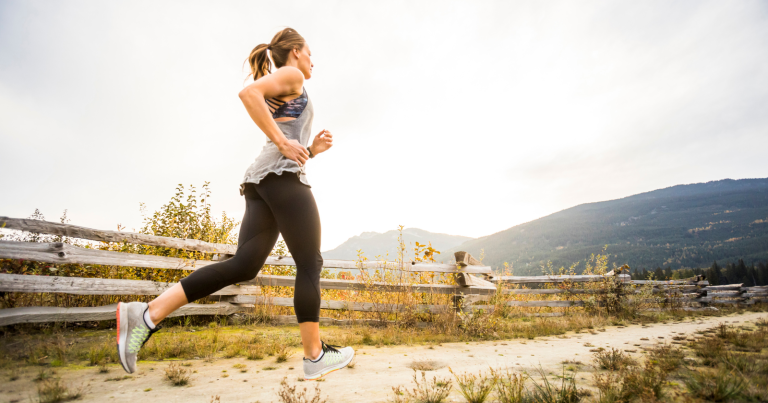
Running not to get healthy but to have one hour a day where few people could reach — the fitness was an accident, the solitude was the point

The happiest people may not be the ones with the most to be happy about — they may be the ones who quietly lowered the bar for what counts as a good day and never told anyone they did it