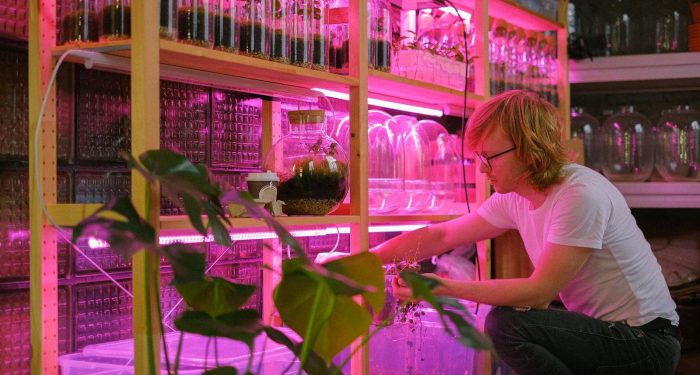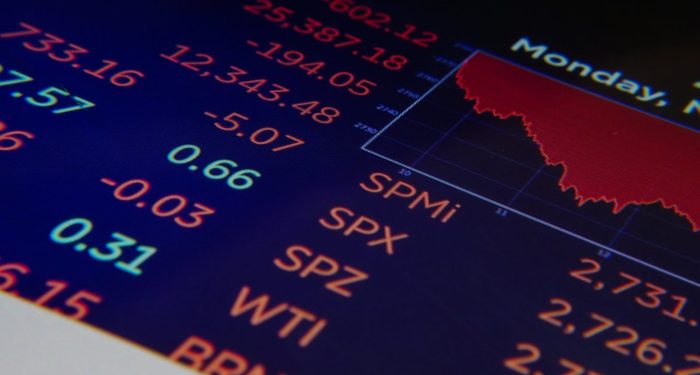
Cultivated meat — real animal protein grown from cells in steel bioreactors — is moving from lab experiment to commercial reality. Here's where the technology actually stands in 2025, and why it might reshape the food system more than plant-based ever could.

Add VegOut to your Google News feed. 
Somewhere in a nondescript industrial building, a bioreactor hums quietly. Inside a stainless steel tank, animal cells are multiplying — fed by a nutrient-rich broth, kept at a precise temperature, producing something that looks, cooks, and tastes like the chicken breast you grew up eating. No feathers. No feed lots. No slaughterhouse. Just biology doing its thing in a very controlled environment.
Cultivated meat has officially moved from science fiction to supply chain conversation, and 2025 is shaping up to be the year the technology starts demanding real attention from consumers, regulators, and the traditional meat industry alike.
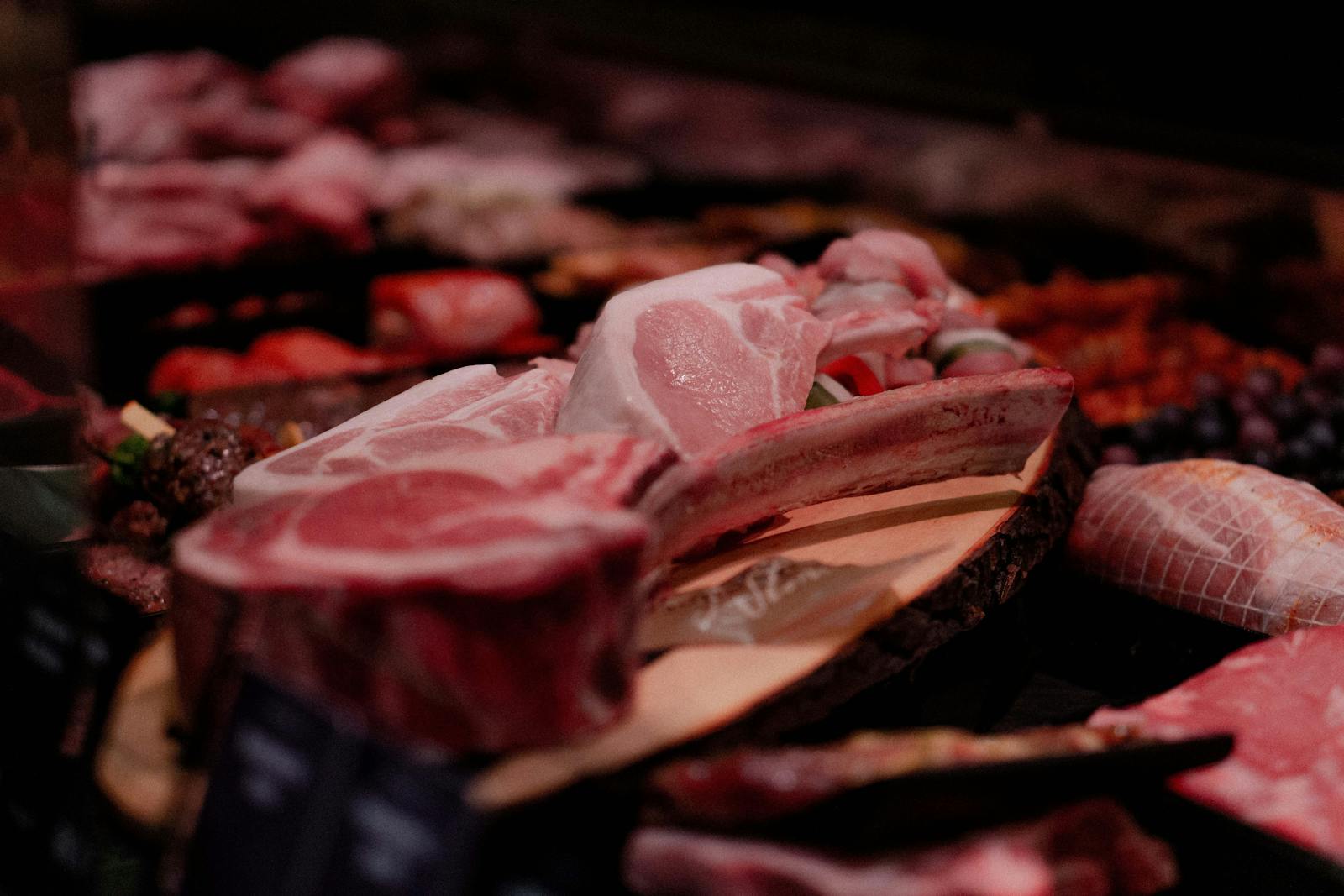
What Exactly Is Cultivated Meat?
The basic pitch is deceptively simple: take a small sample of cells from an animal (a biopsy, not a butchering), place those cells in a bioreactor — essentially a large steel fermentation tank — and feed them the proteins, sugars, fats, and amino acids they need to grow. Over days or weeks, those cells proliferate and differentiate into muscle tissue, fat, and connective tissue. The end product is real animal meat at the molecular level.
This is fundamentally different from plant-based meat. Companies like Beyond Meat and Impossible Foods use pea protein, soy, methylcellulose, and other plant-derived ingredients to approximate the experience of eating meat. Cultivated meat companies like Upside Foods, Good Meat, Believer Meats, and dozens of others around the world are growing the genuine article.
As Vox recently explored in a deep look at the challenges facing plant-based alternatives, taste remains a significant hurdle for traditional plant-based products. Cultivated meat sidesteps that problem entirely. It tastes like meat because it is meat.
The Taste Gap That Plant-Based Couldn't Close
Let's be honest about where things stand in 2025. The plant-based meat sector has had a rough couple of years. Beyond Meat's stock has cratered from its 2019 highs. Consumer trial rates are strong, but repeat purchases have plateaued. The core issue, according to both industry insiders and independent research, keeps coming back to the same thing: taste and texture.
Plant-based burgers have gotten remarkably close. Plant-based chicken nuggets can genuinely fool people. But plant-based steak? A convincing pork chop? Whole-cut products have proven stubbornly difficult to nail using plant proteins alone.
One Israeli startup is tackling this from the plant-based side, recently claiming to have "redefined" plant-based meat with 90% less saturated fat while improving flavor profiles. Meanwhile, other voices in the industry are arguing that the best path forward for plant-based is to stop copying meat altogether and lean into what plants do well on their own terms.
Cultivated meat represents a third option: what if you could produce actual animal protein without most of the downsides of industrial animal agriculture?
Where the Science Actually Stands
The technology is real, but scaling it is the billion-dollar question. Right now, producing cultivated meat at anything close to price parity with conventional meat remains a massive challenge. The bioreactors are expensive. The growth media — the nutrient soup that feeds the cells — has historically been the biggest cost driver, though companies have made significant progress bringing those costs down by developing serum-free formulations.
Good Meat (a subsidiary of Eat Just) and Upside Foods both received USDA approval to sell cultivated chicken in the United States in 2023, making the U.S. only the second country after Singapore to greenlight commercial sales. Since then, the products have appeared at select restaurants, though widespread grocery store availability is still years away.
Israel, the Netherlands, and Japan are emerging as major hubs. Believer Meats opened what it calls the world's largest cultivated meat production facility in Wilson, North Carolina — a 200,000-square-foot plant designed to eventually produce thousands of metric tons annually. The company sees the U.S. as ground zero for commercialization.
As we covered in our exploration of fungal, fermented, and lab-grown foods, cultivated meat is part of a much broader shift in how food gets produced. Precision fermentation, mycelium-based proteins, and cell-cultured dairy are all advancing on parallel tracks. The future plate is going to look very different from the one most of us grew up with.
The Regulatory Patchwork
Here's where things get complicated — and political. Italy became the first country to outright ban cultivated meat in 2023, with lawmakers framing it as a defense of culinary tradition. France has debated similar measures. In the U.S., several states including Florida and Alabama have passed laws prohibiting the sale of cultivated meat within their borders, often backed by conventional agriculture lobbying groups.
On the other side, Singapore continues to lead on regulatory openness. The European Food Safety Authority is reviewing applications. And in the U.S., the FDA-USDA dual regulatory framework established for cultivated meat is functional, even if it's slow.
The labeling debate alone could fill its own article. Can you call it "meat"? Should it be labeled "cell-cultured"? "Lab-grown"? (Industry players hate that last one — they argue it's as misleading as calling beer "lab-grown" because it's brewed in tanks.) The language we land on will shape consumer perception in powerful ways.
The Environmental Promise — and the Asterisks
Proponents point to potentially enormous environmental benefits. Conventional animal agriculture accounts for roughly 14.5% of global greenhouse gas emissions, uses about 77% of agricultural land, and is a leading driver of deforestation and biodiversity loss. Growing meat in bioreactors could dramatically reduce land use, water consumption, and direct emissions.
But the asterisks matter. A widely discussed UC Davis study from 2023 suggested that if cultivated meat production relies on highly purified pharmaceutical-grade growth media, its carbon footprint could actually be higher than conventional beef. The industry pushed back hard, arguing that the study's assumptions were outdated and that no commercial producer uses pharmaceutical-grade inputs. Independent analyses from CE Delft and others have painted a more favorable picture, projecting significant emissions reductions — especially if the energy powering those bioreactors comes from renewable sources.
The honest answer right now: it depends on how the technology scales. The environmental benefits are real but conditional on clean energy, efficient growth media, and production volumes that don't yet exist.
We've previously highlighted global statistics showing that the shift toward more sustainable food systems has serious momentum worldwide. Cultivated meat could accelerate that momentum — or it could remain a niche premium product. The next five years will tell us a lot.
The Health Angle
One genuinely exciting possibility: cultivated meat could be engineered to be healthier than its conventional counterpart. Companies are already experimenting with adjusting the fat profiles of cultivated products — reducing saturated fat, increasing omega-3 fatty acids, even fortifying with vitamins.
There's also the antibiotic angle. Industrial animal farming uses roughly 73% of all antibiotics sold globally, a practice driving the rise of antibiotic-resistant superbugs. Cultivated meat production, carried out in sterile environments, eliminates the need for antibiotics entirely. The same goes for the risk of zoonotic disease — no live animals means a dramatically reduced risk of the kind of pathogen spillover events that have given us pandemics.
Given recent expert warnings about processed meat and cancer risk, there's growing consumer interest in meat alternatives that don't require giving up the taste of animal protein. Cultivated meat sits in an interesting sweet spot for people who want the real thing with fewer health trade-offs.
Who's Actually Going to Buy This?
This is the question that will determine whether cultivated meat becomes a transformative technology or an expensive curiosity. The early data is encouraging but complicated.
Surveys consistently show that 40-60% of consumers in the U.S. and Europe say they're willing to try cultivated meat. Younger demographics skew more enthusiastic. But willingness to try and willingness to pay a premium are very different things.
The real market opportunity might be in places most Westerners don't think about first. Countries like China, Brazil, and India — where meat consumption is rising rapidly alongside growing middle classes — represent massive potential markets. If cultivated meat can hit competitive price points, it could meet surging global protein demand without the corresponding explosion in factory farming.
As our recent roundup of surprising plant-based statistics noted, consumer behavior around protein is shifting in ways that don't always make headlines. The person most likely to buy cultivated chicken might not identify as an environmentalist or animal advocate at all. They might just want chicken that's cheaper, safer, and available at their local grocery store.
The Bigger Picture
Cultivated meat forces a philosophical question that the food system has been able to avoid until now: if we can produce something molecularly identical to animal meat without raising and killing animals, what does that mean for how we think about food?
For committed vegans, cultivated meat occupies an awkward space. Some embrace it as a tool to reduce animal farming at scale. Others reject it on principle — the cells still come from animals, and the product reinforces the cultural centrality of meat. For flexitarians and the "curiously conscious," it might just be the thing that makes sustainable eating effortless rather than aspirational.
The companies building this technology aren't positioning themselves as replacements for the plant-based industry. They see the market as additive — another option in an expanding toolkit of alternatives to conventionally farmed meat. Plant-based for those who like it. Cultivated for those who want the real thing without the footprint. And maybe, eventually, blended products that combine both.
We're still in the early innings. The bioreactors are humming, the regulatory conversations are happening, and the first products are trickling into the real world. Whether cultivated meat becomes the most important food technology of the century or an interesting footnote depends on decisions being made right now — in labs, boardrooms, and government agencies around the world.
The steel tanks are ready. The question is whether the rest of the world is.
Feature image by Michelangelo Buonarroti on Pexels
What’s Your Plant-Powered Archetype?
Ever wonder what your everyday habits say about your deeper purpose—and how they ripple out to impact the planet?
This 90-second quiz reveals the plant-powered role you’re here to play, and the tiny shift that makes it even more powerful.
12 fun questions. Instant results. Surprisingly accurate.