
Plant-based meat sales may have plateaued, but the real revolution is just getting started — in fermentation tanks, fungal bioreactors, and cell-culture labs building a food future that's bigger and weirder than anyone expected.

Add VegOut to your Google News feed. 
I ate a steak made from mycelium last Tuesday. It had grill marks. It tore apart in fibrous strands the way a flank steak does after a slow braise. And when I told my decidedly non-vegan friend about it, his first question wasn't "why?" It was "where can I get one?"
That reaction tells you everything you need to know about where the food industry is headed.
For the better part of a decade, the conversation about the future of food has been dominated by a single framing: plant-based versus animal-based. Pick a team. But while we were all arguing about whether the Impossible Burger tastes enough like beef, a much wilder and more interesting revolution was quietly brewing in fermentation tanks, fungal bioreactors, and cell-culture labs around the world.
The future of food is bigger than plants. And honestly? That's a good thing for everyone.
The Plant-Based Plateau Is Real (and That's Okay)
Let's acknowledge the elephant in the room. Plant-based meat sales in the U.S. have flattened. According to the Good Food Institute's 2023 State of the Industry Report, retail sales of plant-based meat dipped slightly after years of explosive growth. Beyond Meat's stock price has become a cautionary tale on Wall Street. Some fast-food chains that once raced to add plant-based options have quietly pulled them from menus.
As VegOut covered in our plant-based fast food roundup earlier this year, the landscape is genuinely mixed: some chains are doubling down while others are retreating. The narrative of an unstoppable plant-based takeover has cooled considerably.
But here's my take: the plateau in plant-based meat sales doesn't mean the broader alternative protein movement is stalling. It means the movement is diversifying. And diversification, in any ecosystem, is a sign of maturity.
The first wave of alt-protein was essentially "make it look, cook, and taste like the thing it's replacing." That approach converted a lot of curious eaters. It also hit a ceiling. Ingredient lists the length of a CVS receipt made health-conscious consumers uneasy. Taste, while impressive, still didn't fully close the gap for committed meat-eaters. And pricing remained stubbornly high.
So the industry adapted. Because that's what industries do.
Fungi: The Quiet MVP
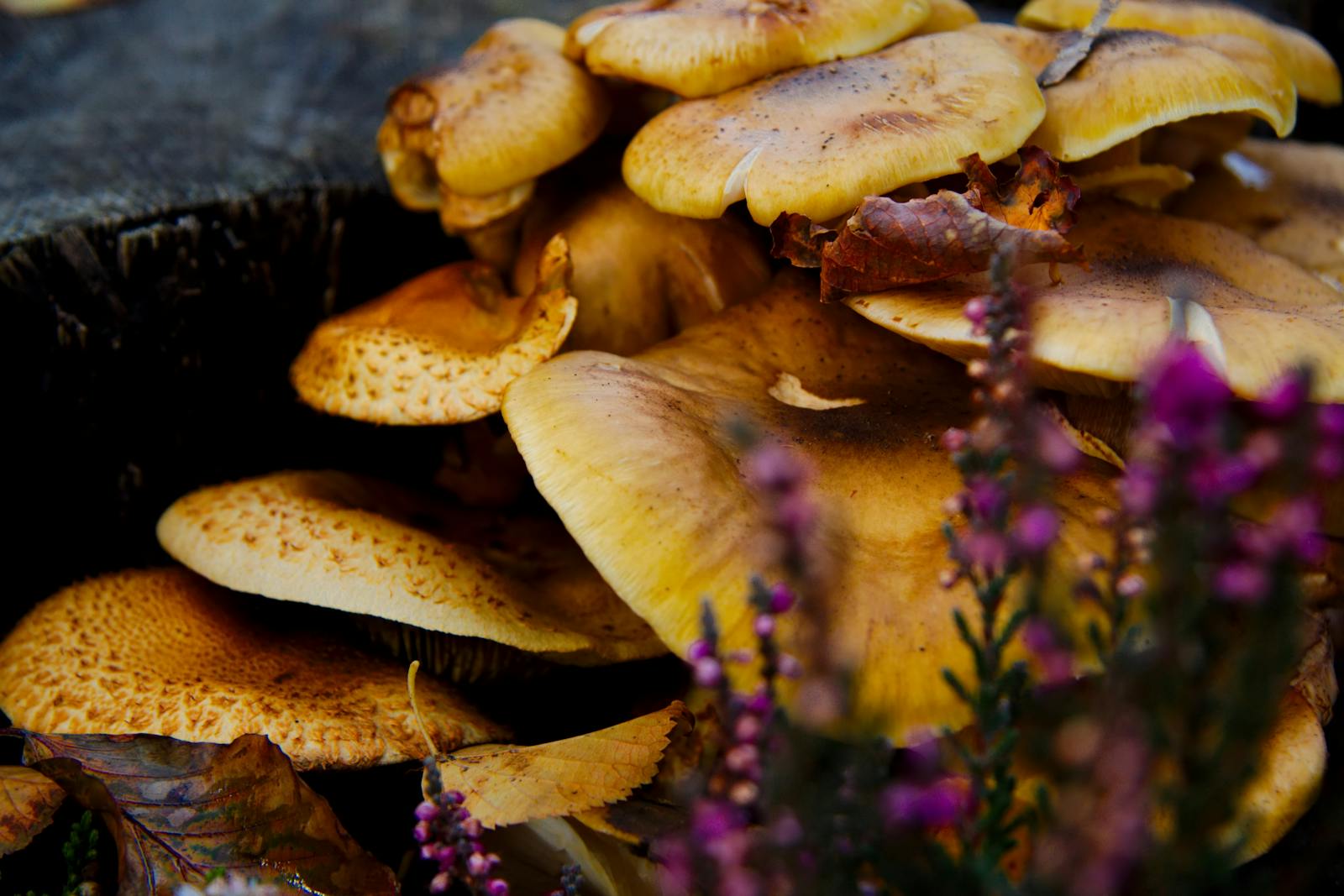
If I had to bet on a single category that will reshape how we eat over the next decade, I'd put my money on mycoprotein and mycelium-based foods. Fungi are the dark horse of the food revolution, and they're gaining ground fast.
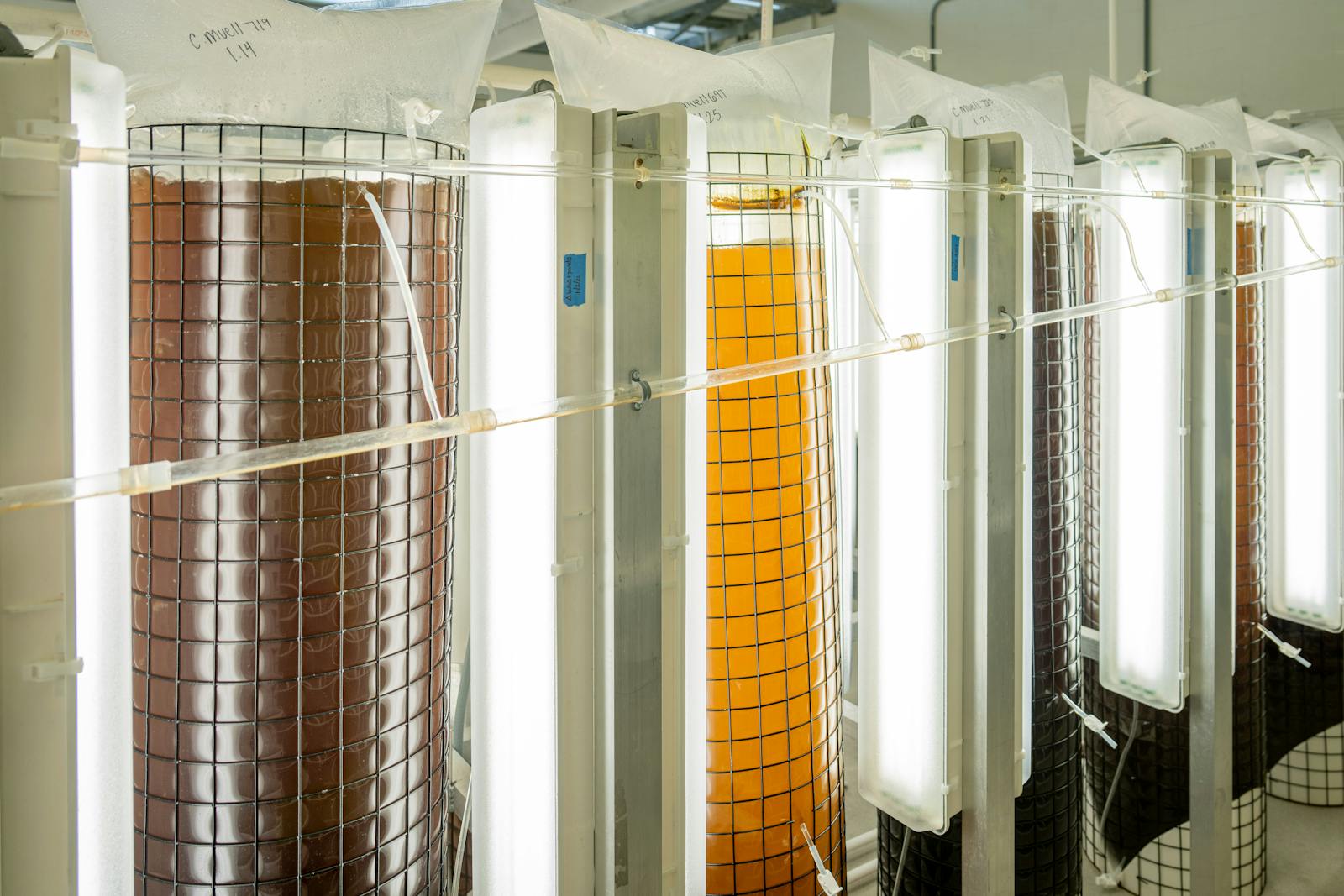
Companies like Meati Foods are producing whole-cut "steaks" and "chicken breasts" from mycelium — the root structure of mushrooms — that have remarkably clean ingredient lists. We're talking about products where the primary ingredient is literally just fungus, grown in fermentation tanks, then shaped and seasoned. The nutritional profile is strong: high in protein, high in fiber, low in fat. The texture is uncanny because mycelium naturally grows in fibrous networks that mimic muscle tissue.
Quorn has been doing a version of this since the 1980s in the UK, but the new generation of mycelium companies is operating at a different level of ambition and sophistication. Nature's Fynd, which grew out of NASA-funded research on extremophile organisms in Yellowstone's hot springs, is producing a fermented fungal protein called Fy that can become anything from cream cheese to breakfast patties.
According to a McKinsey analysis, the alternative protein market could reach $290 billion by 2035. Fermentation-derived proteins — fungi chief among them — are expected to be one of the fastest-growing segments because they solve many of the problems that plagued first-generation plant-based meats: simpler ingredients, better texture, and a path to cost-competitiveness with conventional animal protein.
Fungi are also just cool. They decompose dead matter, build underground communication networks between trees, and might hold the key to feeding ten billion people. Not a bad résumé.
Fermentation Is Having Its Biggest Moment in 10,000 Years
Humans have been fermenting food since before we had a word for it. Beer, bread, kimchi, miso, yogurt — fermentation is arguably the oldest food technology on Earth. As we recently explored in our piece on grocery staples that were once survival food, many of the things we now consider trendy pantry items started as ancient preservation techniques. Fermentation fits that pattern perfectly.
What's new is precision fermentation: programming microorganisms — yeast, bacteria, fungi — to produce specific proteins, fats, and other molecules that are molecularly identical to those found in animal products. Perfect Day uses precision fermentation to produce whey protein without any cows involved. The Every Company is doing the same with egg whites. New Culture is making animal-free casein for mozzarella that actually melts and stretches.
This category matters because it sidesteps the biggest criticism of plant-based alternatives: that they're processed imitations. Precision-fermented whey is whey. It's the same molecule. Your body doesn't know the difference. A pizza made with New Culture's mozzarella stretches in your hands and browns in the oven exactly the way conventional mozzarella does, because at the molecular level, it is mozzarella.
The regulatory landscape is catching up. The FDA granted GRAS (Generally Recognized as Safe) status to several precision-fermented ingredients over the past two years, and a 2023 study published in Nature Food found that precision fermentation could reduce greenhouse gas emissions associated with dairy production by up to 97% when powered by renewable energy.
Ninety-seven percent. That number deserves to sit with you for a second.
Cultivated Meat: The Promise and the Reality Check
And then there's the big one: lab-grown (or cultivated) meat. Real animal cells, grown in bioreactors instead of raised on farms.
In June 2023, the USDA approved the sale of cultivated chicken from Upside Foods and Good Meat, making the U.S. the second country (after Singapore) to allow cell-cultured meat on the market. It was a landmark moment. Headlines called it a revolution.
But I want to be honest about where things stand. Cultivated meat is currently the most promising and the most overhyped category simultaneously. The science works. The economics, at scale, remain a massive question mark.
Production costs have dropped dramatically — Upside Foods claims they've reduced costs by over 99% since their first prototype. But "reduced by 99%" from an astronomically expensive starting point still leaves you with a product that costs significantly more than conventional chicken. Getting cultivated meat to price parity with factory-farmed poultry will require bioreactor infrastructure that simply doesn't exist yet, along with a dramatic reduction in the cost of cell-culture media.
A techno-economic analysis published in Biotechnology for Biofuels and Bioproducts in 2023 estimated that even in optimistic scenarios, cultivated meat might not reach cost parity with conventional meat until the mid-2030s at the earliest. Some researchers are less optimistic.
Does that mean we should write it off? Absolutely not. Solar panels were absurdly expensive in the 1970s, too. But it does mean we should resist the urge to treat cultivated meat as an imminent savior and instead see it as one piece of a much larger puzzle.
Why the "And" Matters More Than the "Or"
Here's where I'll plant my flag: the most interesting and impactful future of food involves all of these technologies working together, not competing for dominance.
Imagine a burger where the patty is mycelium-based, the cheese is made from precision-fermented casein, and a small amount of cultivated beef fat is blended in for flavor depth. That hybrid product could deliver on taste, nutrition, price, and environmental footprint in ways that no single technology can achieve alone right now.
Several companies are already thinking this way. Believers in what the industry calls "blended" or "hybrid" approaches understand that consumer adoption doesn't require perfection from any one technology. It requires an experience that's genuinely good enough that most people shrug and reach for it without needing a manifesto.
This is the food version of something I think about a lot: progress happens when you lower the barrier, not raise the bar. The planet doesn't need a handful of devoted whole-food vegans. It needs hundreds of millions of people making slightly different choices at the grocery store because the alternative option was delicious and easy and maybe even cheaper.
The Counterarguments Deserve Airtime
Fair pushback exists. Some argue that all of this technology is a distraction from the simpler solution of just eating more whole foods — beans, lentils, grains, vegetables. There's something to that. A bowl of dal with rice and greens is nutritionally excellent, culturally rich, affordable, and requires zero bioreactors.
Others worry about consolidation. If the future of protein is produced in centralized fermentation facilities owned by a handful of corporations, we've traded one industrial food system for another. That concern is legitimate and worth watching closely.
And the "ultra-processed" critique applies to some of these new technologies, too. Precision-fermented proteins are, by definition, processed. Whether that matters nutritionally is an open question that deserves rigorous, long-term study rather than knee-jerk reactions in either direction.
I hold these concerns alongside my enthusiasm. Both can be true at once.
What I'm Actually Watching
If you're curious about where this goes next, here's what I'm paying attention to:
Price drops in fermentation. The moment precision-fermented dairy ingredients hit price parity with conventional dairy, the floodgates open. We might be three to five years away.
Mycelium scaling. Meati opened a massive production facility in 2023. If they can bring per-unit costs down while maintaining quality, mycelium-based whole cuts could become a mainstream grocery category by 2027.
Regulatory momentum. Singapore, the U.S., and Israel have approved various forms of cultivated meat. The EU remains cautious. Where regulators land will determine which markets lead.
Consumer language. How we talk about these foods matters enormously. "Lab-grown" sounds clinical. "Cultivated" is warmer. "Fermented" connects to thousands of years of human tradition. The branding battle is real.
The food system is going to look dramatically different in 2035 than it does today. The shift won't come from one silver-bullet technology. It will come from a portfolio of approaches, each filling different gaps, reaching different consumers, working at different price points.
Plant-based meat paved the road. Fungi, fermentation, and cultivated protein are widening it. And the destination is a food system that's more resilient, more diverse, and — if we're lucky — more delicious than anything that came before.
I'll be the one at the table trying all of it. Probably with hot sauce.
Feature image by Kindel Media on Pexels