Seed vaults were designed to survive nuclear war. Now the real threat is slower and stranger: a global food system balanced on a razor-thin slice of crop diversity, increasingly vulnerable to climate shocks that could reshape what's available at your grocery store.

Add VegOut to your Google News feed. 
The Svalbard Global Seed Vault sits deep inside a mountain on a Norwegian archipelago in the Arctic. When it opened in 2008, the operating metaphor was nuclear apocalypse. A frozen ark for civilization's crops, sealed behind reinforced concrete, designed to survive a direct missile strike. The imagery was Cold War cinema: mushroom clouds, irradiated soil, humanity starting over from scratch.
Sixteen years later, the vault has been accessed not because of war, but because of drought. In 2015, researchers from the International Center for Agricultural Research in Dry Areas withdrew seeds after their gene bank in Aleppo, Syria was damaged by civil conflict, yes — but the broader pattern of deposits and withdrawals since then tells a quieter, more unnerving story. Countries are increasingly banking seeds against climate disruption, crop disease, and the slow erosion of agricultural biodiversity. The existential threat that keeps seed vault operators awake at night has shifted from missiles to meals.
The Quiet Crisis in Crop Diversity
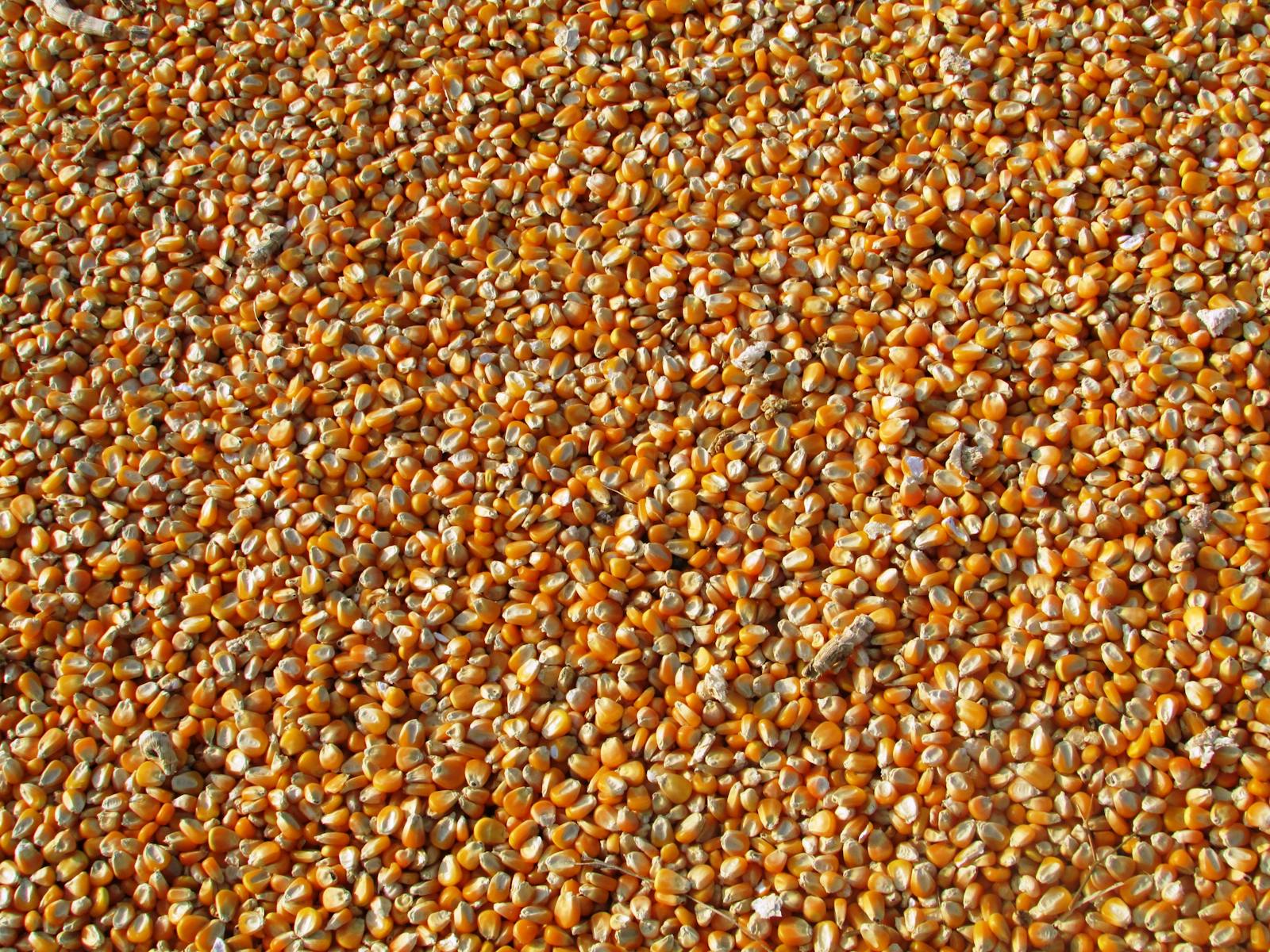
Here's a number that should unsettle you: research indicates that approximately 75% of the world's food crop diversity was lost during the 20th century. Three-quarters, gone in a single century. We now depend on a small number of crops to provide the vast majority of human food energy, with rice, wheat, and maize supplying a disproportionate share.
That concentration would be fine if our agricultural systems were stable. They are not.
The Panama disease Tropical Race 4 (TR4) fungus is spreading through banana-growing regions worldwide, threatening the Cavendish variety — which represents virtually all bananas in international trade. Research has found that climate change could significantly reduce global crop yields by mid-century under high-emission scenarios. Meanwhile, studies have documented that rising temperatures are already shifting the geographic ranges of major pests and pathogens, introducing crop diseases to regions that have never encountered them.
We built seed vaults to survive a dramatic ending. What we're getting instead is a slow narrowing — a funnel that squeezes the genetic diversity of our food supply tighter each decade.
Breakfast as a Geopolitical Problem
The title of this piece is a bit cheeky, but the underlying shift is real. Food security has moved from being a development economics concern to a first-order geopolitical issue, and the infrastructure reflects that change.
Beyond Svalbard, countries have been aggressively building or expanding national and regional seed banks. South Korea opened a backup vault inside a limestone cave. India's National Bureau of Plant Genetic Resources in New Delhi holds hundreds of thousands of accessions. Australia, China, and Brazil have all expanded their gene bank capacities in recent years. The motivation behind these expansions, according to policy documents and public statements from these governments, centers overwhelmingly on climate resilience and food system stability — not military threats.
What changed? Partly, the math got scarier. International assessments have estimated that investing in climate adaptation could yield substantial net benefits, with food system resilience representing a major share of that calculation. Governments started treating crop genetic diversity as critical infrastructure, the way they'd treat power grids or water treatment systems.
And partly, people started experiencing the downstream effects at grocery stores and kitchen tables. When wheat prices surged after Russia's invasion of Ukraine, when avian influenza culled hundreds of millions of birds globally, when extreme heat buckled rice yields across South and Southeast Asia — the abstraction of "food security" became concrete. It became the price of eggs. The cost of bread. The availability of the specific banana your kid will actually eat.
The Plant-Based Angle Nobody Talks About
Conversations about future food systems tend to split into two camps: the technologists who believe lab-grown proteins and precision fermentation will save us, and the agronomists who argue we need radical diversification of what we grow and eat. The reality, as usual, sits somewhere more complicated.
One of the most promising aspects of plant-based innovation is that it could, in theory, broaden the crops we actually cultivate at scale. Companies developing alternative proteins have turned commercial attention to chickpeas, fava beans, mung beans, lupin, and dozens of other legumes that were marginal in Western agriculture a decade ago. VegOut recently explored how people later in life are rediscovering cooking from scratch, and that personal shift mirrors a broader cultural one: more people are willing to engage with unfamiliar ingredients, which creates market space for crop diversification.
But there's a tension here. The plant-based industry, particularly the alternative meat sector, has its own monoculture problem. Soy protein isolate and pea protein dominate the ingredient lists of most major products. If the entire plant-based protein sector depends on two or three crops, it reproduces the same vulnerability that conventional agriculture already suffers from. A blight that targets yellow peas could ripple through the alternative protein supply chain the way TR4 threatens bananas.
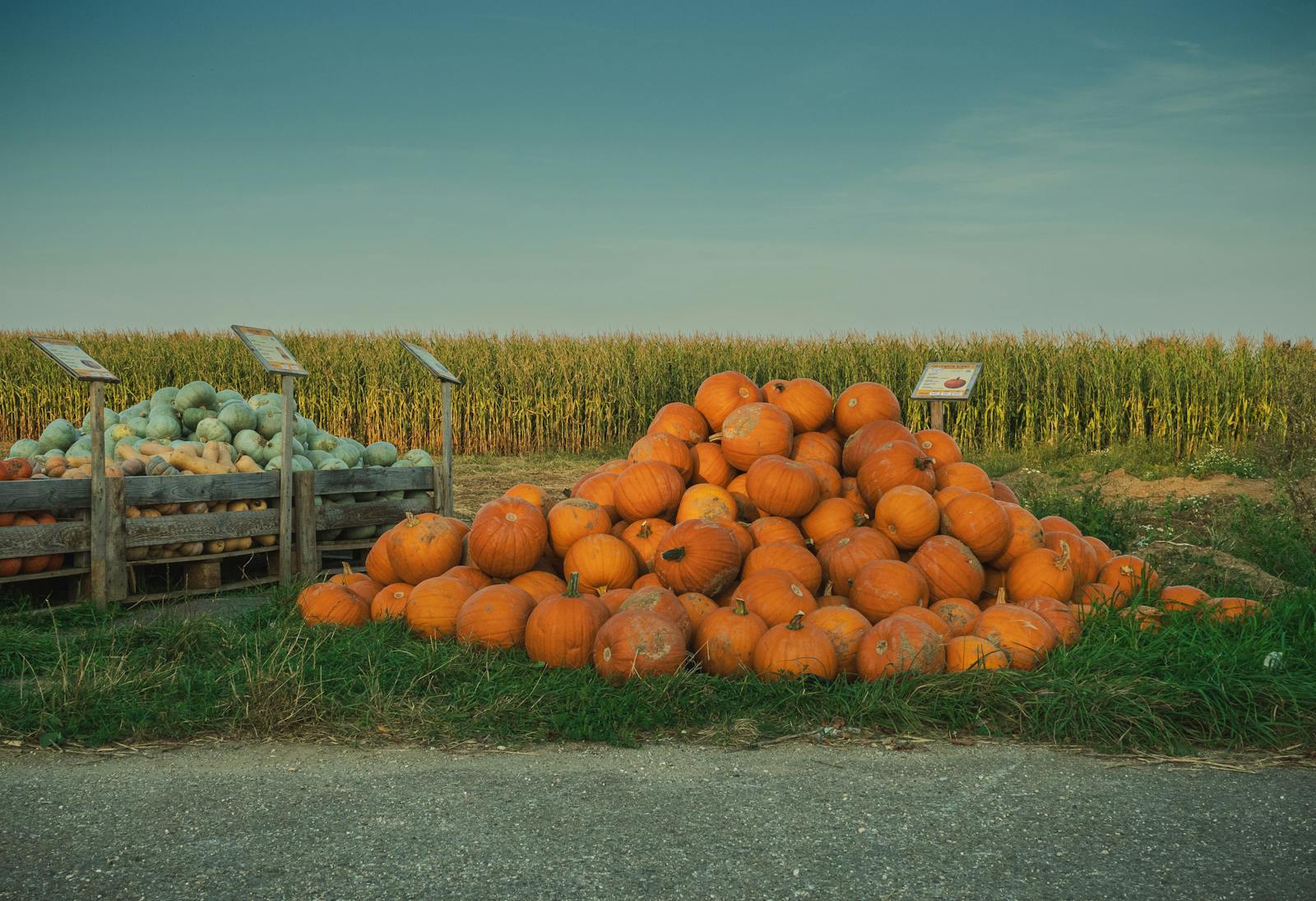
Researchers have been studying what are often called "orphan crops" — nutritious, climate-resilient species that have been largely ignored by commercial agriculture. Crops like teff, amaranth, bambara groundnut, and finger millet. These species often thrive in conditions that would destroy wheat or corn: poor soils, erratic rainfall, high temperatures. They represent exactly the kind of genetic diversity that seed vaults are designed to protect.
The question is whether market incentives will ever align with biodiversity goals, or whether we'll keep banking seeds for crops we simultaneously choose not to grow.
What Resilience Actually Looks Like
I think about resilience a lot, partly because it's become one of those words that gets applied to everything until it means nothing. But in the context of food systems, resilience has a specific, measurable meaning: the capacity to absorb shocks without collapsing.
A resilient food system has genetic diversity in its crops. It has geographic distribution in its production. It has redundancy in its supply chains. And critically, it has cultural diversity in its diets — populations that know how to eat widely, not just cheaply.
That last point often gets overlooked. VegOut has covered how travel to certain places can reshape your worldview, and one of the most underrated effects of cultural exchange is dietary expansion. People who have tasted injera in Addis Ababa or congee in Guangzhou or mole in Oaxaca come home with an expanded sense of what food can be. That openness — multiplied across millions of people — creates demand for diverse crops, which creates economic incentives to grow them, which strengthens the genetic base of our food supply.
The chain from a tourist eating teff pancakes to a farmer planting teff to a seed vault preserving teff varieties is longer than most people realize. But it's real.
The Uncomfortable Middle Ground
I want to be honest about what I don't know, because the temptation with food security writing is to sound the alarm so loudly that readers either panic or tune out. Both responses are unhelpful.
The truth is that global food production has, so far, kept pace with population growth. Norman Borlaug's Green Revolution, whatever its environmental costs, prevented the mass famines that Malthusian thinkers predicted in the 1970s. Modern agriculture is extraordinarily productive. People who dismiss that productivity in favor of a romanticized agrarian past are ignoring the billions of humans who depend on high-yield farming to eat.
But productivity built on a narrow genetic base is a system running with no margin for error. Research has found that simultaneous crop failures across multiple breadbasket regions — a scenario called a "multiple breadbasket failure" — have become more likely as climate change synchronizes weather patterns across continents. The probability is still low in any given year. But the consequences of such an event would be catastrophic, particularly for lower-income nations that import staple grains.
Seed vaults are the insurance policy. They're necessary. But insurance works best when you also reduce the underlying risk. And reducing the risk means fundamentally rethinking what we grow, what we eat, and how concentrated we allow our food systems to become.
What You Can Actually Do With This Information
I'm wary of the "here's how you can help" section that turns systemic problems into individual lifestyle tips. The forces shaping global agricultural biodiversity operate at scales far beyond any single person's grocery list. Policy matters. Trade agreements matter. Research funding matters.
That said, as VegOut has explored before, living well often means paying attention to what's upstream of your daily choices. Eating a wider variety of grains, legumes, and vegetables sends a small but real market signal. Buying from seed companies that specialize in heirloom and regionally adapted varieties supports the maintenance of genetic diversity outside institutional vaults. Supporting policies that fund public agricultural research — the kind that develops climate-resilient crop varieties without proprietary restrictions — matters enormously.
And maybe most simply: staying curious about food. The person who tries freekeh or black-eyed peas or purple sweet potatoes because they sound interesting is, in a tiny way, participating in the same project as the scientists cataloging seeds inside an Arctic mountain. Both are placing bets that the future will need more options, not fewer.
The vaults were built for the end of the world. Turns out, they're more likely to be needed for a Wednesday morning in 2045 when the crops that make your cereal don't grow where they used to. The apocalypse was always going to be mundane. It was always going to look like breakfast.
Feature image by Pixabay on Pexels
If You Were a Healing Herb, Which Would You Be?
Each herb holds a unique kind of magic — soothing, awakening, grounding, or clarifying.
This 9-question quiz reveals the healing plant that mirrors your energy right now and what it says about your natural rhythm.
✨ Instant results. Deeply insightful.

Adam Kelton
Adam Kelton is a writer and culinary professional with deep experience in luxury food and beverage. He began his career in fine-dining restaurants and boutique hotels, training under seasoned chefs and learning classical European technique, menu development, and service precision. He later managed small kitchen teams, coordinated wine programs, and designed seasonal tasting menus that balanced creativity with consistency.
After more than a decade in hospitality, Adam transitioned into private-chef work and food consulting. His clients have included executives, wellness retreats, and lifestyle brands looking to develop flavor-forward, plant-focused menus. He has also advised on recipe testing, product launches, and brand storytelling for food and beverage startups.
At VegOut, Adam brings this experience to his writing on personal development, entrepreneurship, relationships, and food culture. He connects lessons from the kitchen with principles of growth, discipline, and self-mastery.
Outside of work, Adam enjoys strength training, exploring food scenes around the world, and reading nonfiction about psychology, leadership, and creativity. He believes that excellence in cooking and in life comes from attention to detail, curiosity, and consistent practice.
More Articles by Adam