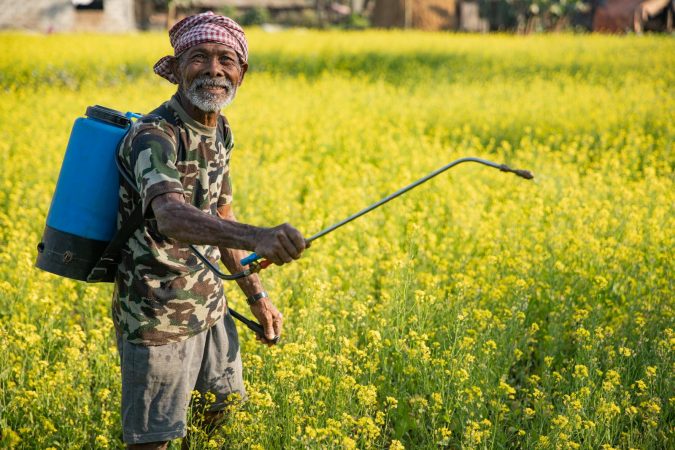
Syngenta will stop producing paraquat by the end of June, citing business reasons — but with 8,000+ Parkinson's-related lawsuits pending and decades of damning science, the timing speaks volumes.

Add VegOut to your Google News feed. 
Syngenta, the agrochemical giant that first brought paraquat to market over six decades ago, announced that it will cease all production of the controversial herbicide.
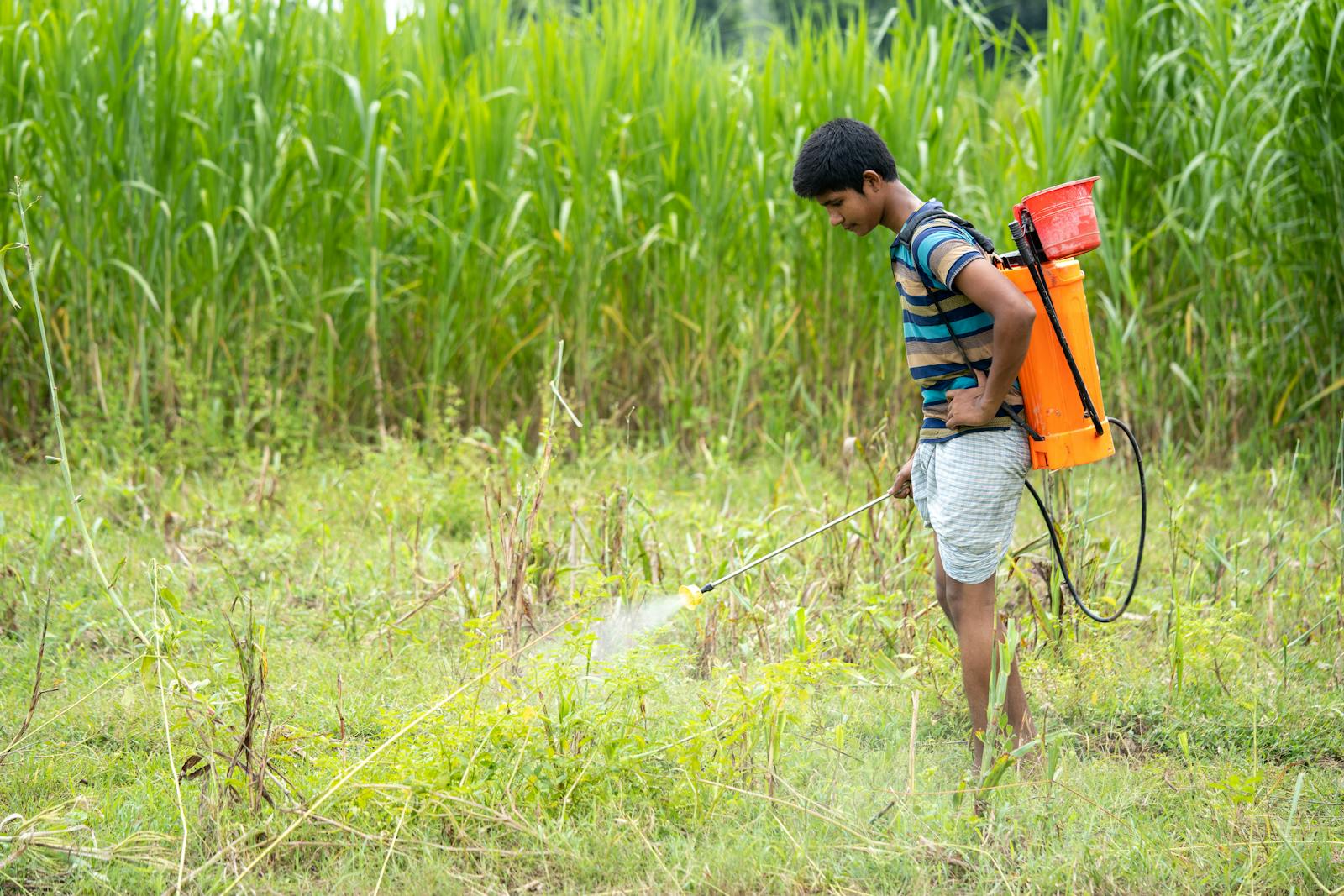
The company framed the move as a business decision, stating that it aims to focus resources where they deliver the greatest value for the business and customers. According to the company, paraquat contributes a small fraction to Syngenta's global sales, and competition from generic manufacturers has eroded its profitability.
But the timing tells a fuller story. Syngenta is currently facing thousands of lawsuits in US courts from people who allege they developed Parkinson's disease after exposure to paraquat. The herbicide has been used in the US for decades and remains legal here, even though it's been banned in many countries including across Europe.
For neurologists and public health researchers who have spent years studying the link between paraquat and Parkinson's, the announcement landed like vindication.
What the Science Says
Numerous scientific studies have found that paraquat damages cells in the brain in ways that can lead to Parkinson's disease. Research has added to this growing body of evidence connecting the herbicide to neurodegeneration.
Syngenta has consistently maintained that paraquat is safe when used as directed. The company's own paraquat safety page has described the evidence linking the chemical to Parkinson's as "fragmentary" and "inconclusive."
But the company's public posture doesn't quite square with its internal history. Investigative reporting by The New Lede and The Guardian obtained and revealed internal Syngenta corporate files showing the company was aware of research linking paraquat to Parkinson's decades ago and took steps to influence the scientific narrative around its product.
That gap between what the company knew privately and said publicly is at the heart of the thousands of pending lawsuits. As we've previously reported, those cases represent a massive legal reckoning for the company.
Experts React
Neurologists and public health experts who have studied the connection between pesticides and Parkinson's disease have responded to the news with cautious optimism. Researchers who have spent years urging regulators to take the paraquat-Parkinson's connection seriously see this as a significant development, noting that advocacy and scientific data are having an impact on the trajectory of the disease.
The Bigger Picture for Food and Farming
Here's where it gets complicated. Syngenta stopping production doesn't mean paraquat disappears from fields. Multiple companies around the world are registered to sell paraquat, and generic manufacturers continue to supply the herbicide globally. Syngenta's UK facility was a manufacturing site for the active ingredient, but the broader market carries on.
So while the original maker stepping away is symbolically huge, the practical public health impact depends on what regulators do next. The US Environmental Protection Agency has previously found evidence linking paraquat to Parkinson's to be insufficient for formal regulatory action. Whether that assessment changes in light of mounting litigation and the company's own exit remains to be seen.
For anyone who cares about what ends up on our food and in our soil, this is a story worth tracking. As we've covered before, thousands of American farmers are dealing with Parkinson's diagnoses, and the chemicals they've been exposed to in the course of their work are increasingly under scrutiny.
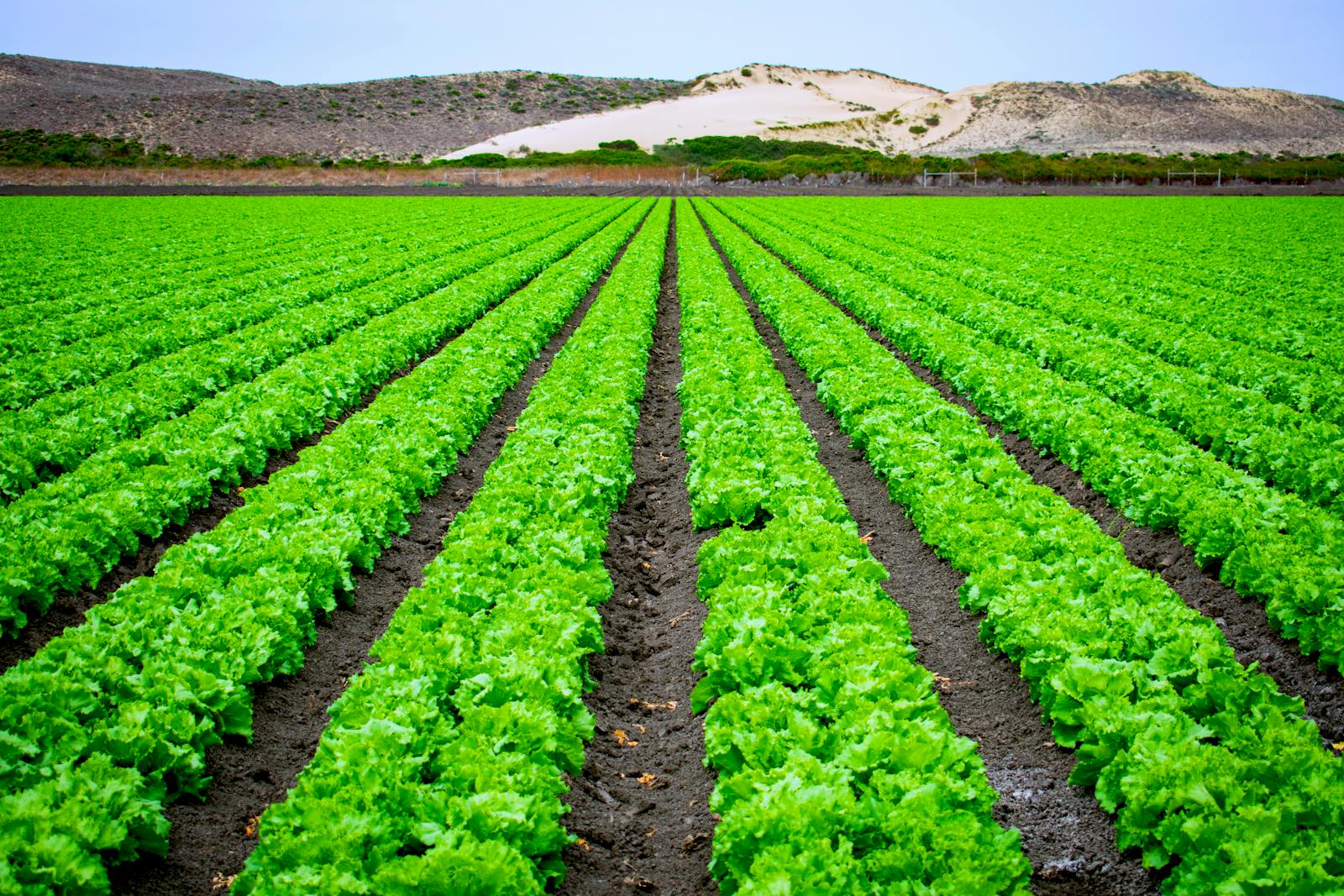
A Business Decision — or a Liability One?
Syngenta wants this framed as portfolio optimization. A small percentage of global sales, intense generic competition, a rational reallocation of resources. And maybe that's partly true.
But companies don't typically issue press releases about discontinuing products that represent a small fraction of revenue. They just quietly stop making them. The fact that Syngenta made a formal announcement suggests the company understands the optics — and the legal landscape — around this particular product.
With thousands of lawsuits pending, continuing to produce the very chemical at the center of those cases would have been a bold strategy, to put it gently. Stepping away from production doesn't resolve the litigation, but it does remove one particularly awkward talking point from future courtroom proceedings.
The broader pattern here echoes other moments in corporate chemical history where a product stays on the market for decades, science accumulates, lawsuits pile up, and the manufacturer eventually steps back while insisting nothing was ever wrong. Whether paraquat follows that exact trajectory depends largely on how US courts handle those pending cases and whether the EPA revisits its regulatory stance.
What This Means for the Rest of Us
If you're someone who thinks about where your food comes from — and if you're reading VegOut, you probably are — this story sits at the intersection of agriculture, public health, and corporate accountability.
Paraquat isn't something most consumers encounter directly. It's a tool used by farmers and agricultural workers, and they're the ones who bear the greatest exposure risk. But the chemicals used to grow our food ripple outward through soil, water, and ecosystems in ways that affect everyone.
The move by Syngenta, whatever its true motivation, signals that the ground is shifting under the industrial agriculture model's reliance on certain chemicals. Europe banned paraquat years ago. The science linking it to neurological damage keeps growing. And now its original manufacturer is walking away.
Whether the US follows Europe's lead on a regulatory ban is a different question entirely. But the pressure is clearly building, and the Parkinson's community — patients, families, researchers, and advocates — has played a significant role in getting us to this point.
Their voices are being heard. That matters, even if the fight isn't over.
Feature image by keshab chautariya on Pexels