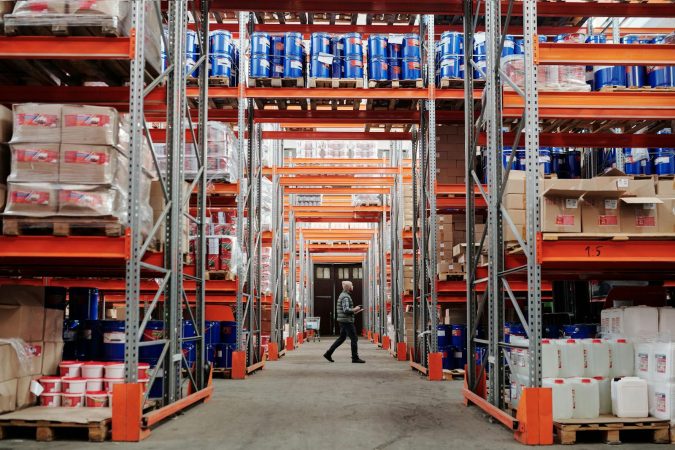
The UK can only feed 54% of its population from its own land, and its entire food supply runs through just 131 distribution centres. A leading food policy expert says the government must stockpile food and boost domestic production before a climate shock or conflict exposes the system's alarming fragility.

Add VegOut to your Google News feed. 
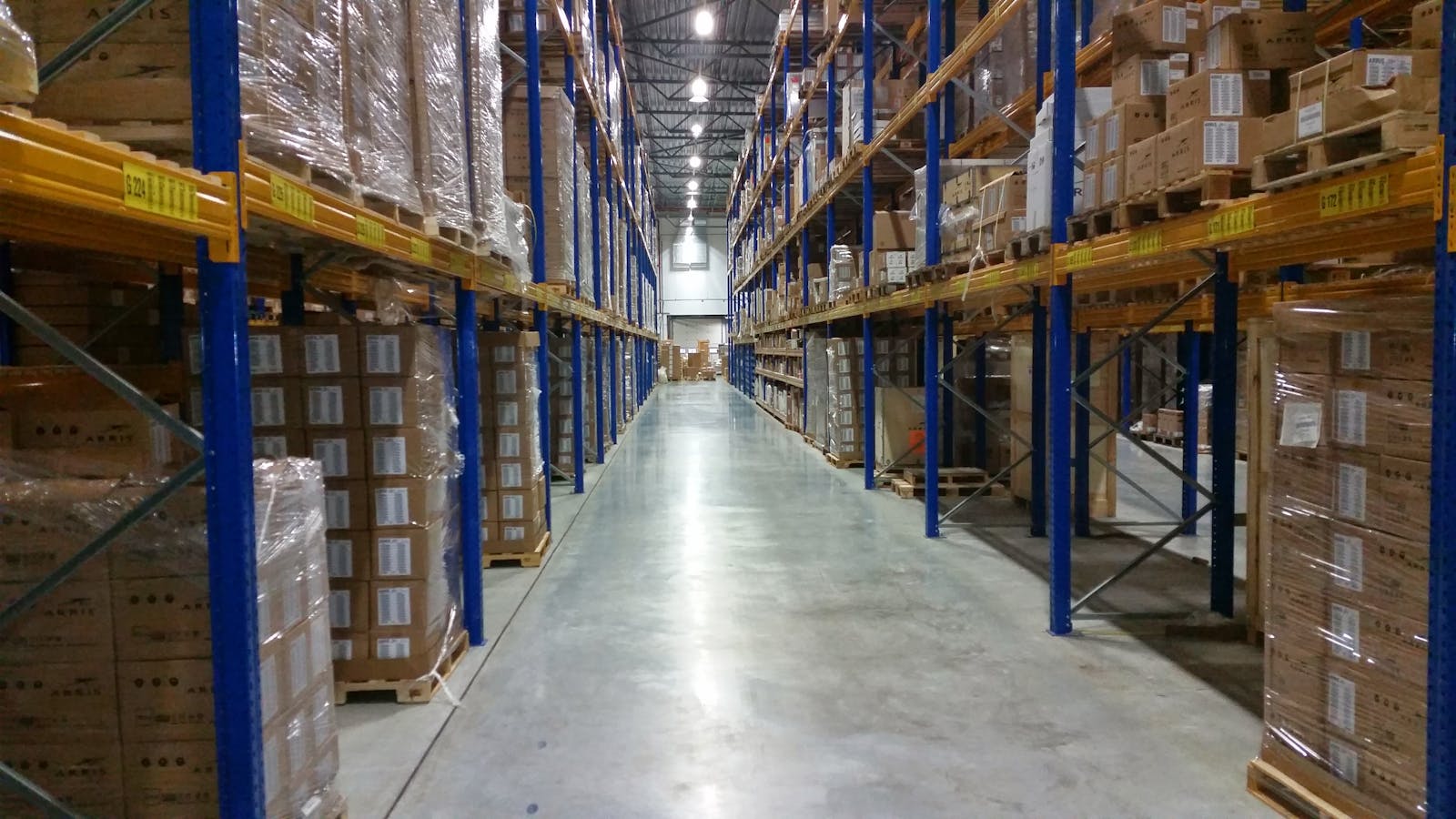
The UK's entire food supply runs through a highly concentrated network of distribution centres. That's it. Every supermarket sandwich, every bag of salad, every carton of oat milk — nearly all of it passes through a shockingly small number of distribution centres before reaching the thousands of supermarkets that feed a nation of 67 million people. If that sounds like a system designed for efficiency rather than survival, that's because it is. And according to one of Britain's leading food policy experts, it's a catastrophe waiting to happen.
Prof Tim Lang, a leading food policy expert, is sounding the alarm. In a recent report prepared for the National Preparedness Commission, Lang argues that the UK government must begin emergency food stockpiling, pass new food security legislation, and dramatically increase domestic food production. The threats he's pointing to aren't hypothetical: climate shocks, armed conflict, and supply chain breakdowns could each independently cripple the country's ability to feed itself.
Lang told The Guardian that the UK isn't adequately preparing for these threats, and that the assumption that others can feed the country is deeply embedded in British state thinking.
The Numbers Are Stark
The UK's food self-sufficiency stands at around half of what the country needs to feed itself, according to official food security reports. For context, other European nations maintain substantially higher levels of self-sufficiency, with countries like the US, France, and Australia producing enough to meet essentially all their domestic needs. Britain, one of the world's wealthiest nations, can't feed half its population from its own soil.
The vast majority of the UK's fruit and over half of its vegetables are imported, according to Lang's report. And that import dependency is growing, not shrinking.
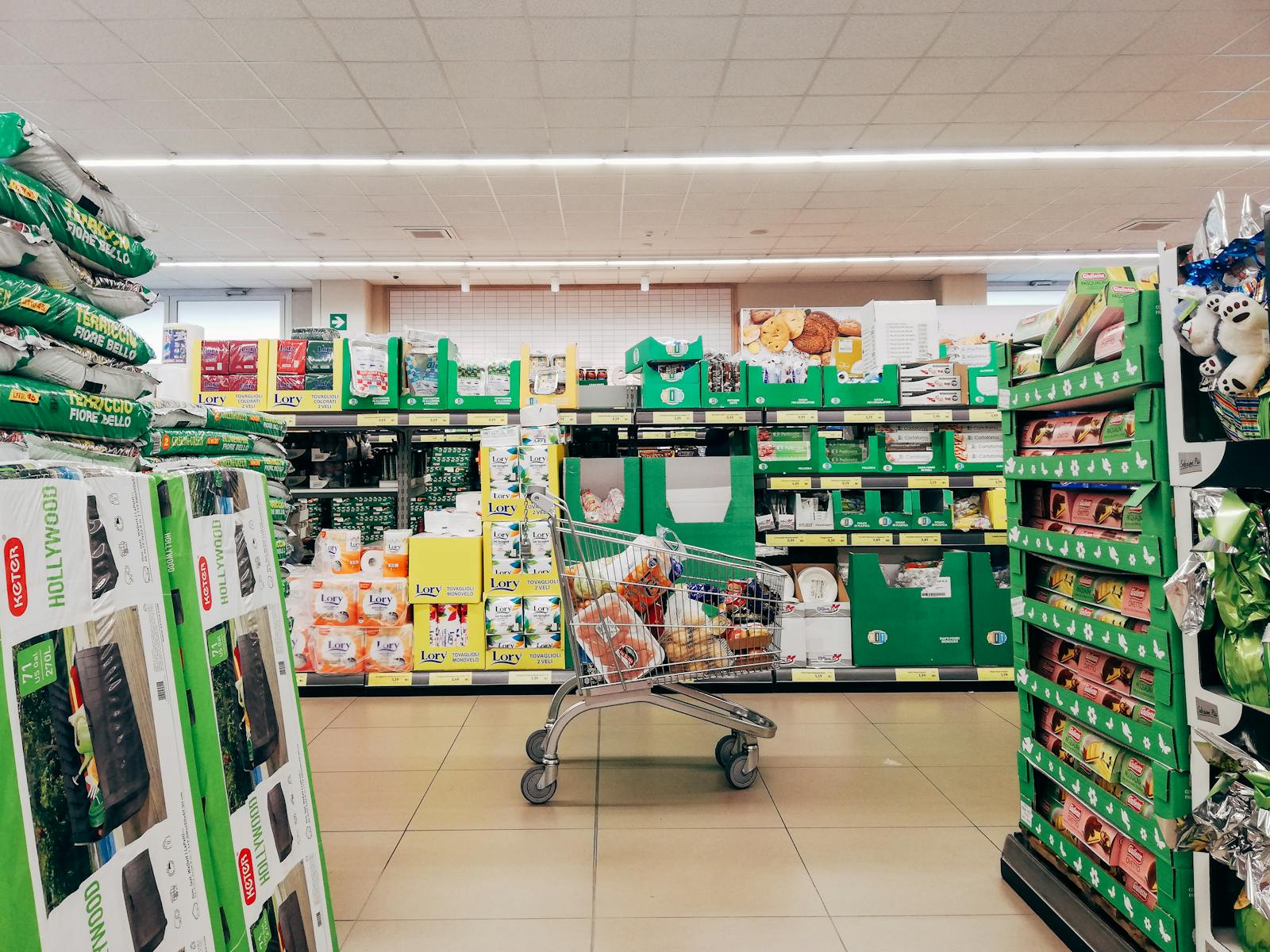
Then there's the concentration problem. A small number of major retailers control the overwhelming majority of retail food in the country, funnelling everything through a limited network of distribution centres. Major supermarket chains operate through highly centralized logistics systems.
Lang puts it bluntly in his analysis: such concentrated distribution systems create significant vulnerability in scenarios of conflict or disruption.
Brexit Made It Worse
The UK's departure from the EU didn't just create political headaches — it put real strain on the food pipeline. According to analysis cited in The Guardian's report, agrifood imports from the EU fell significantly in the years following Brexit. Agricultural subsidies shrank. Trade got harder.
None of this has been replaced by increased domestic production. The UK government, according to Lang, has no plans to improve food self-sufficiency and has declined to set production targets.
Lang emphasizes that the purpose of food systems is to feed people, and that failing to boost domestic production represents a misuse of available land.
Climate Change Is Coming for the Import Pipeline
Here's where things get especially uncomfortable for anyone who likes fresh produce in January. Projections suggest that by 2050, substantial portions of the UK's legumes and fruit will need to come from climate-vulnerable countries. That means the foods Britain already can't grow enough of will increasingly come from the places most likely to see crop failures, droughts, and extreme weather events.
The global food system is already under significant climate pressure, and the UK's position as a heavy importer makes it uniquely exposed. When harvests fail in southern Spain or North Africa — two major UK fruit and vegetable suppliers — there's no domestic buffer to absorb the shock.
Switzerland Gets It. Why Doesn't Britain?
Lang points to Switzerland as a model, noting the country maintains substantial food stockpiles and is working to expand these reserves. The UK has nothing comparable.
In fact, UK civil defence receives a tiny fraction of total defence expenditure, according to Lang's report for the National Preparedness Commission. That's not a rounding error — it's basically zero.
The UK is spending billions on military defence while leaving its food supply — arguably the most fundamental pillar of national security — almost entirely to market forces and just-in-time logistics. The assumption has always been that global trade will keep shelves stocked. But as geopolitical tensions rise (we've covered how international alliances are being tested from multiple angles), that assumption looks increasingly fragile.
What This Means for What We Eat
Food security conversations often feel abstract until you're standing in front of empty supermarket shelves. The UK got a taste of this during the early pandemic days, and briefly again during supply chain disruptions in 2021. Those were short-lived. A sustained climate event or conflict-driven trade disruption would be a different beast entirely.
For those of us already thinking about food choices through a plant-based or sustainability lens, the takeaway is layered. A country that grows more of its own legumes, grains, and vegetables is a country that's both more resilient and lower-impact. The math works in both directions — diversifying domestic agriculture toward more plant crops could simultaneously improve food security and reduce environmental footprint.
Being a smarter, more intentional shopper has always made personal financial sense. Now it's looking like a matter of national strategy, too.
The Government's Response (Or Lack Thereof)
Perhaps the most alarming detail in Lang's assessment is the policy vacuum. According to The Guardian, the UK government has no plans to set food production targets or create meaningful stockpiles. The approach remains reactive, built around the belief that global markets will always deliver.
Lang calls for a three-pronged response: emergency stockpiling of key food staples, new legislation mandating food security planning, and a concerted push to increase domestic production. None of these are radical ideas. Several European nations already have variations of all three in place.
The question isn't whether the UK can do this. The question is whether it will do it before a crisis forces its hand.
A Wake-Up Call, Not a Panic Button
Lang's report isn't doomsday prepping dressed up in academic language. It's a systems-level analysis of where a critical piece of national infrastructure has obvious, fixable weaknesses. The UK chose efficiency over resilience in its food system decades ago. That made sense in a stable world with reliable trade. We no longer live in that world.
Climate volatility is increasing. Geopolitical flashpoints can disrupt energy and food flows overnight. And the UK, with its low self-sufficiency rate and concentrated distribution system, is more exposed than most wealthy nations to any of these scenarios.
Growing more food at home, diversifying supply chains, and building strategic reserves aren't just policy wonk talking points. They're the kind of common-sense resilience measures that could determine whether a future disruption means higher grocery bills or genuine hunger. And for a country that imports the majority of its fresh produce, investing in domestic plant agriculture seems like the most obvious place to start.
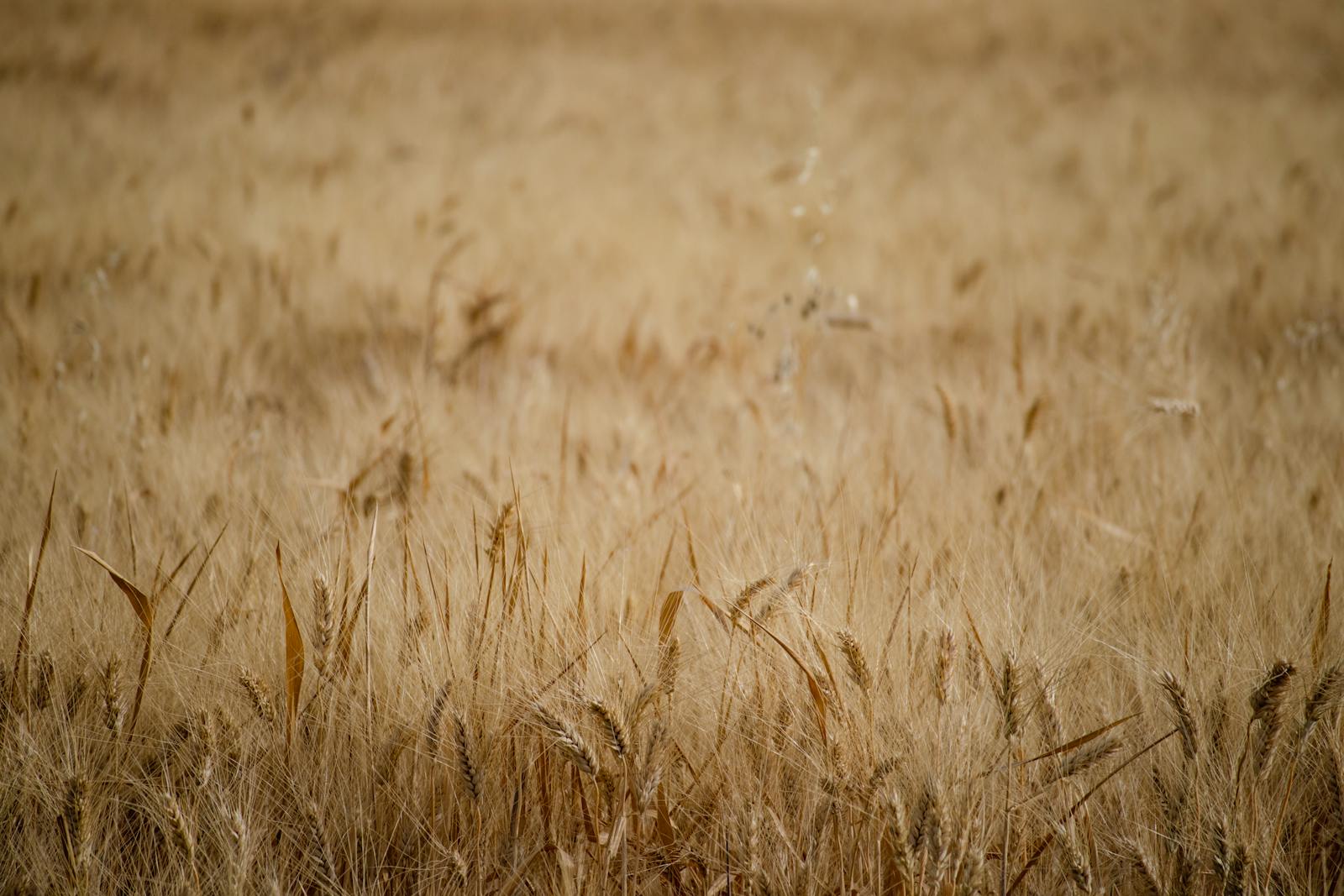
Feature image by Tiger Lily on Pexels
If You Were a Healing Herb, Which Would You Be?
Each herb holds a unique kind of magic — soothing, awakening, grounding, or clarifying.
This 9-question quiz reveals the healing plant that mirrors your energy right now and what it says about your natural rhythm.
✨ Instant results. Deeply insightful.

Jordan Cooper
Jordan Cooper is a pop-culture writer and vegan-snack reviewer with roots in music blogging. Known for approachable, insightful prose, Jordan connects modern trends—from K-pop choreography to kombucha fermentation—with thoughtful food commentary. In his downtime, he enjoys photography, experimenting with fermentation recipes, and discovering new indie music playlists.
More Articles by Jordan