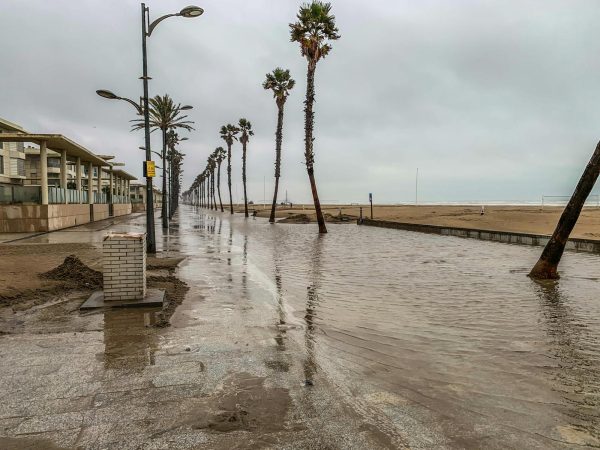
A new study in Nature reveals that 90% of coastal vulnerability research used incorrect sea level baselines, underestimating water levels by up to a meter in some regions — meaning flooding will hit 132 million more people than previously projected by 2100.

Add VegOut to your Google News feed. 
Research suggests that many studies used to predict coastal flooding may have underestimated baseline sea levels, potentially by significant margins.
Studies have indicated that ocean currents, tides, temperature, salinity, and wind patterns are not always fully accounted for when establishing what "sea level" actually is at a given coastline.
The result? Coastal water levels around the world may be significantly higher than some scientific literature has been telling policymakers, urban planners, and the people who live in flood-prone areas.
How Do You Miscalculate the Ocean?
It sounds like a strange error. The ocean is right there. But measuring sea level is more complicated than it appears. The Earth isn't a perfect sphere — it's a lumpy, uneven mass with gravitational variations that pull ocean water into an irregular shape called the geoid. Different research teams have used different geoid models as their reference points, and many of them treated sea level as a static global number rather than something shaped by local forces.
Research suggests that many coastal vulnerability studies may not have correctly determined the current sea level for the specific coastlines they were studying. That's not a rounding error. That's a systemic blind spot.
Think of it this way: if you're trying to figure out when a bathtub will overflow, you need to know how full it already is. Many studies may have been starting with the water level several inches too low.
The Numbers Get Real
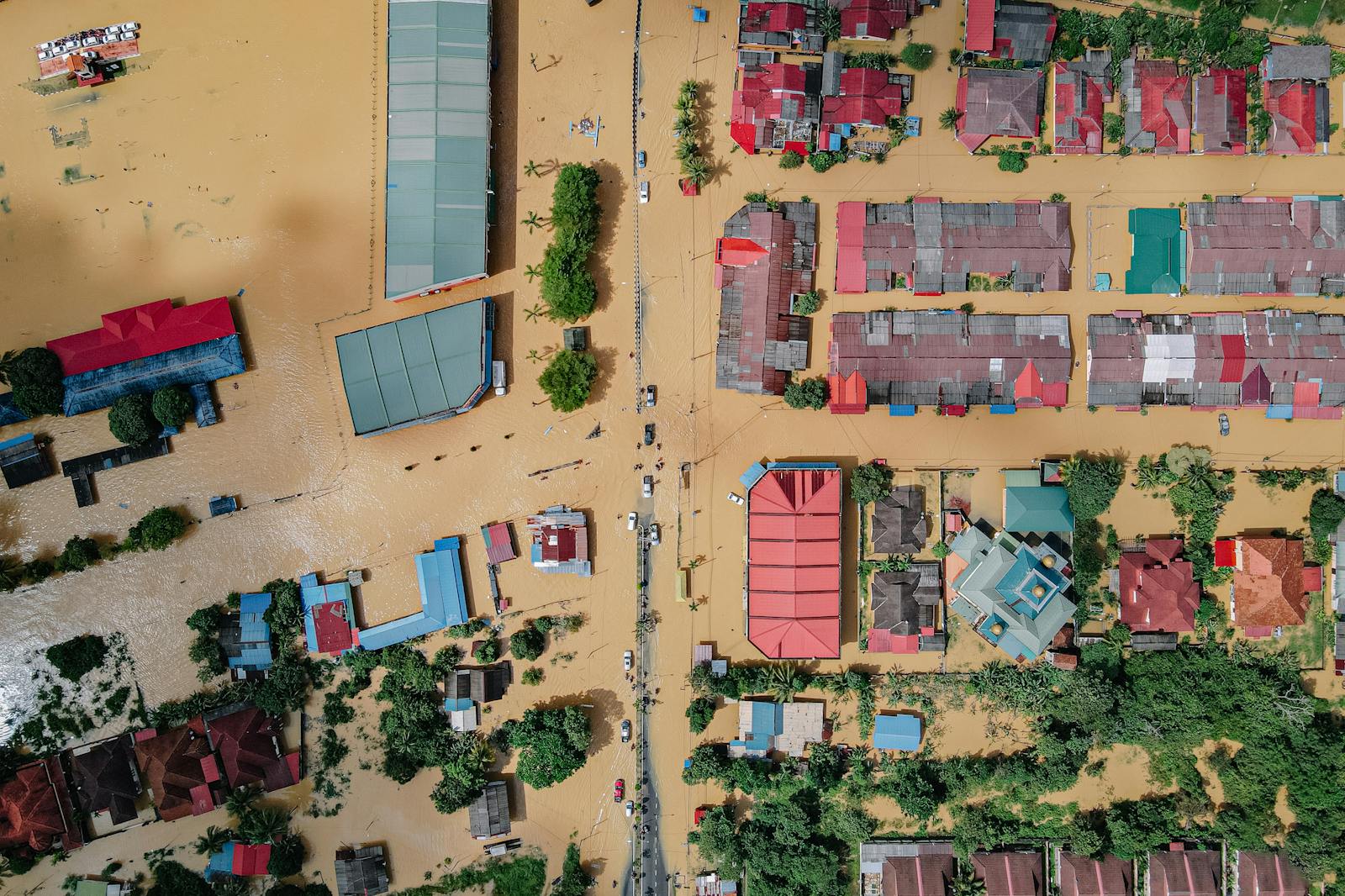
When baseline data is corrected for local ocean dynamics, the implications can be staggering. The number of people whose homes could be at risk from sea level rise by 2100 may be significantly higher than previous estimates suggested.
That doesn't mean sea level rise projections themselves are wrong. Projections of up to 1 meter of rise by the end of the century remain in the scientific literature. The problem is the starting point. If the water is already higher than previously calculated, that projected rise hits harder, sooner.

The disparity may be especially stark in Southeast Asia and Oceania, regions with some of the least access to high-quality local tide gauge data — the very measurements that would catch such discrepancies.
A Climate Justice Problem Hiding in Plain Sight
Sea-level researchers have noted the importance of accurate baseline measurements for coastal vulnerability assessments. Without precise local data, coastal communities may be underprepared for the risks they face.
Long-term, well-calibrated local measurements remain the gold standard for assessing coastal vulnerability — precisely the kind of data that's hardest to get in lower-income coastal nations.
In other words, the countries most vulnerable to rising seas may be going to international climate negotiations with data that understates their danger. The science they've been handed to make their case may, unintentionally, be working against them.
This Reaches the IPCC
The ripple effects of baseline measurement discrepancies could extend to the top of climate science. The Intergovernmental Panel on Climate Change is the gold standard for global climate policy. If underlying data has systematic biases, the downstream consequences for adaptation planning, infrastructure investment, and disaster preparedness could be enormous.
None of this means the IPCC's broader conclusions about climate change are wrong. The planet is warming, seas are rising, and the trajectory is well-established. But the granular, coast-by-coast vulnerability assessments that governments use to decide where to build seawalls, relocate communities, or invest in flood defenses may need to account more carefully for local sea level variations.
Why This Matters for the Food System
Coastal flooding isn't just about property. It's about farmland. Saltwater intrusion into agricultural land is already degrading rice paddies and vegetable production across Southeast Asia. If current sea levels are higher than some models assumed in these regions, the timeline for agricultural disruption could compress significantly.
As we've covered, climate scientists are already modeling food security scenarios for 2040 that show projected shortfalls hitting wealthy nations. Improved coastal baseline measurements could refine these models — particularly for the tropical and subtropical regions that produce a huge share of the world's plant-based staples.
And the domino effects extend further. Climate change is already redrawing the global coffee map and putting upward pressure on prices. Add in faster-than-expected coastal erosion and flooding in key agricultural zones, and the supply chain stress only intensifies.
What Happens Next
Better communication between scientists who study sea-level dynamics and coastal researchers who use that data to assess risk could help address these measurement challenges. The gap between those two communities may be wider than previously realized.
More local tide gauge installations would help, especially in data-sparse regions across the Global South. So would standardizing the geoid models and ocean dynamic factors that go into baseline measurements. These are fixable problems — but they require investment and coordination, particularly in the places that can least afford to wait.
For the rest of us, the takeaway is a useful recalibration. Climate projections haven't been wrong about where we're headed. But ensuring accurate baseline measurements matters. When local sea level variations aren't properly accounted for, the consequences land on real people, in real communities, sooner than anyone told them to expect.
It's a good reminder that the details matter. The big picture on climate is clear enough. But when the fine print is off, the consequences are real.
Feature image by José Antonio Otegui Auzmendi on Pexels