A major UK Biobank study found that ultraprocessed plant-based foods raise cardiovascular risk nearly as much as their animal-based equivalents, reinforcing that the degree of processing may matter more than the source of the ingredients.

Add VegOut to your Google News feed. 
Add VegOut to your Google News feed.
A large-scale study published in The Lancet Regional Health – Europe has added significant weight to a concern that nutritionists have been voicing for years: ultraprocessed plant-based foods carry cardiovascular risks that land remarkably close to those posed by their animal-based ultraprocessed counterparts.
The findings, drawn from over 118,000 participants in the UK Biobank cohort tracked across a median follow-up of nearly 10 years, suggest that the health halo surrounding plant-based products may have less to do with their ingredient list and more to do with how those ingredients are manufactured.

What the Study Actually Found
Researchers from the University of São Paulo and Imperial College London analyzed dietary data using the NOVA food classification system, which categorizes foods based on the extent and purpose of industrial processing rather than their nutritional content. They separated ultraprocessed foods (UPFs) into plant-based and animal-based categories, then examined associations with cardiovascular disease incidence and mortality.
The results were striking. Each 10% increase in caloric intake from ultraprocessed plant-based foods was associated with a 5% increase in overall cardiovascular disease risk and a 12% increase in cardiovascular mortality risk. Animal-based UPFs showed a comparable 7% increase in cardiovascular disease risk and a 13% increase in cardiovascular mortality.
In practical terms, the gap between the two categories was narrow enough to challenge a widespread assumption: that swapping an ultraprocessed meat product for an ultraprocessed plant-based alternative represents a meaningful cardiovascular upgrade.
The study was published in early 2025 and has already generated considerable discussion in nutrition research circles and beyond.
The NOVA System and Why Processing Matters
To understand why these findings matter, it helps to understand what "ultraprocessed" actually means in a research context. The NOVA classification, developed by researchers at the University of São Paulo, defines ultraprocessed foods as industrial formulations made mostly or entirely from substances derived from foods and additives. Think: protein isolates, hydrogenated oils, modified starches, emulsifiers, flavor enhancers, and colorants.
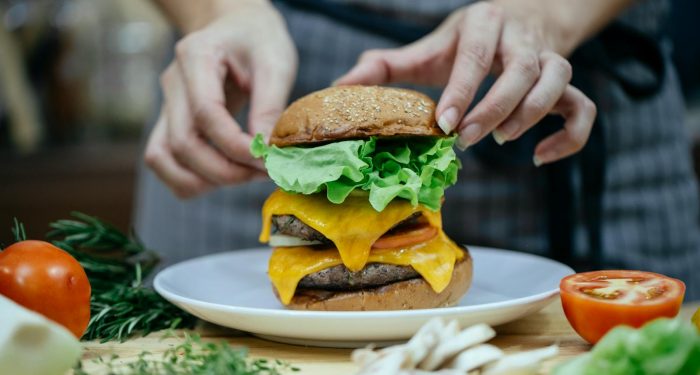
By this definition, a black bean burger you assemble from whole beans, oats, and spices in your kitchen is a minimally processed food. A commercially manufactured plant-based patty engineered from pea protein isolate, methylcellulose, refined coconut oil, and a suite of flavoring agents falls squarely into the ultraprocessed category.
The distinction matters because a growing body of evidence links ultraprocessing itself to adverse health outcomes, independent of the underlying macronutrient profile. A 2024 umbrella review published in The BMJ, synthesizing evidence from 45 pooled analyses involving nearly 10 million participants, found consistent associations between high UPF consumption and increased risks of cardiovascular disease, type 2 diabetes, depression, and all-cause mortality.
The mechanisms are still being investigated, but researchers point to several plausible pathways: industrial processing can degrade the food matrix in ways that alter glycemic response and satiety signaling; certain additives like emulsifiers have been shown to disrupt gut microbiota in animal models; and the hyper-palatability engineered into UPFs may drive overconsumption.
Where Plant-Based Products Fit In
The plant-based food industry has experienced extraordinary growth over the past decade. Global sales of plant-based meat alternatives alone were valued at approximately $6.1 billion in 2023, according to Bloomberg Intelligence, even as some high-profile brands — Beyond Meat chief among them — have faced financial headwinds and slowing consumer adoption in certain markets.
Much of the marketing around these products has leaned on health messaging alongside environmental and ethical appeals. And there's genuine substance to some of those claims. Plant-based diets rich in whole foods consistently rank among the most protective dietary patterns for cardiovascular health. A 2023 meta-analysis in JAMA Internal Medicine found that higher adherence to plant-based dietary patterns was associated with a 16% lower risk of cardiovascular disease.
But here's where nuance gets important: that protective association weakens — and in some analyses disappears — when the plant-based diet in question is dominated by refined grains, sugary beverages, and heavily processed meat alternatives rather than whole grains, legumes, fruits, and vegetables.
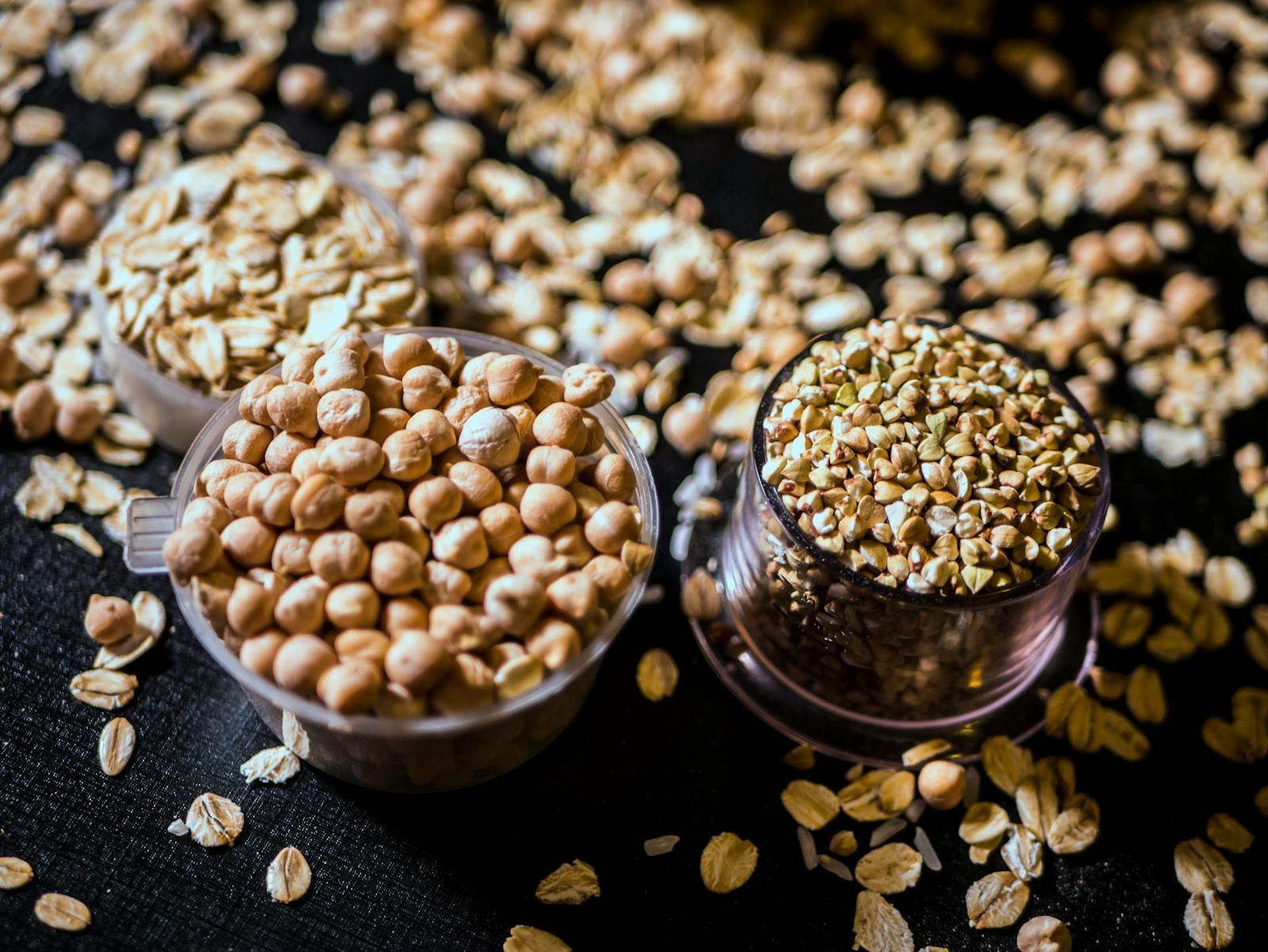
The new UK Biobank study reinforces this pattern. When the researchers looked at minimally processed plant foods, they found a clear inverse association with cardiovascular risk. The problem wasn't the plant origin. It was the processing.
What This Means for Conscious Eaters
For anyone who's built dietary choices around plant-based alternatives — whether for environmental reasons, health goals, or personal values — this research delivers a genuinely useful recalibration rather than a reason to abandon course.
The takeaway, as several of the study's co-authors have emphasized in subsequent media appearances, centers on a principle that nutrition researchers have been articulating with increasing clarity: the degree of processing matters at least as much as the source of the food.
Dr. Fernanda Rauber, one of the study's lead authors, noted in an interview with The Guardian that the findings "should not be used to promote animal-based diets" but rather to underscore that "replacing animal-based ultraprocessed foods with plant-based ultraprocessed foods is unlikely to bring health benefits."
As VegOut recently covered, new systems for evaluating food sustainability are already moving beyond simple plant-versus-animal binaries. Climate scientists ranking foods by water cost per gram of protein are finding that the most relevant distinctions often cut across traditional dietary categories. The same principle applies to health outcomes: the processing continuum may be a more useful lens than the plant-animal divide.
And as we explored in our look at the future of food beyond conventional plant-based products, the next generation of food innovation — fermented proteins, mycelium-based foods, precision-fermented ingredients — faces the same challenge. Novel doesn't automatically mean healthful, and the processing question will follow these technologies as they scale.
The Uncomfortable Middle Ground
Research like this tends to get weaponized by all sides. Carnivore diet advocates will use it to dismiss plant-based eating entirely. Some plant-based advocates will minimize the findings as an industry-backed smear. Neither response is proportionate to what the data actually shows.
What the data shows is that ultraprocessing is a cardiovascular risk factor that persists regardless of whether the input ingredients are animal- or plant-derived. That finding should inform consumer choices and food industry practices alike.
For consumers, the practical application is straightforward: rely on whole and minimally processed plant foods as dietary staples. Use plant-based meat alternatives and other heavily processed products the way most nutritionists have always suggested using them — as occasional convenience items, not dietary cornerstones.
For the plant-based food industry, the implications are more challenging. The commercial viability of many products depends on engineering specific taste and texture profiles that currently require extensive processing. Companies that can achieve satisfying products with shorter, cleaner ingredient lists and less aggressive processing will hold a significant competitive advantage as consumer awareness of UPF research grows.
Some brands are already moving in this direction. Companies like Actual Veggies and Daily Harvest have built their product lines around recognizable whole-food ingredients. Whether the broader industry follows depends partly on consumer demand and partly on whether regulatory frameworks — particularly in the EU, where UPF-related labeling is under active discussion — create additional incentives.
A Few Important Caveats
The UK Biobank study, like all observational research, establishes association rather than causation. The cohort skews older, whiter, and more affluent than the general UK population, which limits the generalizability of the findings. Dietary data relied on repeated 24-hour recalls, which are among the more robust self-report methods but still carry inherent measurement limitations.
There's also the question of confounding. People who consume large amounts of ultraprocessed foods — whether plant-based or not — tend to differ from those who don't in ways that extend beyond diet: income, education, physical activity levels, stress exposure, access to healthcare. The researchers adjusted for a wide range of these variables, but residual confounding is always a possibility in observational studies.
And it's worth noting that the environmental case for plant-based alternatives remains largely intact regardless of these health findings. A landmark 2018 analysis published in Science by Joseph Poore and Thomas Nemecek found that even the highest-impact plant-based protein sources generated lower greenhouse gas emissions than the lowest-impact animal protein sources. Processing adds to the environmental footprint, but the gap between plant and animal products at the production level remains substantial.
The health question and the environmental question, in other words, don't always point in the same direction. Holding both in mind simultaneously is part of the work of conscious eating.
The Bigger Picture
If there's a unifying lesson from this research, it's that labels can be misleading when they substitute identity for substance. "Plant-based" on a package tells you something about ingredient sourcing. It tells you very little about what industrial processes those ingredients have undergone, what additives have been introduced, or how the final product will interact with your cardiovascular system over decades of regular consumption.
The most health-protective diets in the epidemiological literature — Mediterranean, traditional Okinawan, whole-food plant-based — share a common feature that has nothing to do with whether they include animal products. They are built predominantly around foods that look more or less like they did when they came out of the ground or off the tree.
That principle doesn't require perfection. It doesn't mean never eating a plant-based burger or a bag of chips. It means building a dietary foundation from whole foods and treating everything else as what it is: an addition to that foundation rather than a replacement for it.
The planet doesn't need a handful of people eating perfectly. It needs millions of people making slightly better choices — and understanding that "plant-based" and "healthful" overlap significantly but aren't synonyms.
Feature image by Markus Winkler on Pexels
What’s Your Plant-Powered Archetype?
Ever wonder what your everyday habits say about your deeper purpose—and how they ripple out to impact the planet?
This 90-second quiz reveals the plant-powered role you’re here to play, and the tiny shift that makes it even more powerful.
12 fun questions. Instant results. Surprisingly accurate.
If You Were a Healing Herb, Which Would You Be?
Each herb holds a unique kind of magic — soothing, awakening, grounding, or clarifying.
This 9-question quiz reveals the healing plant that mirrors your energy right now and what it says about your natural rhythm.
✨ Instant results. Deeply insightful.

Adam Kelton
Adam Kelton is a writer and culinary professional with deep experience in luxury food and beverage. He began his career in fine-dining restaurants and boutique hotels, training under seasoned chefs and learning classical European technique, menu development, and service precision. He later managed small kitchen teams, coordinated wine programs, and designed seasonal tasting menus that balanced creativity with consistency.
After more than a decade in hospitality, Adam transitioned into private-chef work and food consulting. His clients have included executives, wellness retreats, and lifestyle brands looking to develop flavor-forward, plant-focused menus. He has also advised on recipe testing, product launches, and brand storytelling for food and beverage startups.
At VegOut, Adam brings this experience to his writing on personal development, entrepreneurship, relationships, and food culture. He connects lessons from the kitchen with principles of growth, discipline, and self-mastery.
Outside of work, Adam enjoys strength training, exploring food scenes around the world, and reading nonfiction about psychology, leadership, and creativity. He believes that excellence in cooking and in life comes from attention to detail, curiosity, and consistent practice.
More Articles by Adam