A new meta-analysis of 22 studies finds that consistent gardeners have baseline cortisol levels over 12 percent lower than regular gym-goers — and the mechanisms behind the difference may involve soil bacteria, light exposure, and the quiet rhythm of repetitive outdoor work.

Add VegOut to your Google News feed. 
A new meta-analysis spanning 22 studies and more than 6,400 participants has found that people who garden regularly — as little as 30 minutes a day — show significantly lower salivary cortisol levels than those who engage in moderate-to-vigorous gym exercise for the same duration. The paper, published in the June 2025 issue of Urban Forestry & Urban Greening, synthesized research conducted across eight countries over the past decade and arrives at a moment when stress-related health spending in the U.S. alone exceeds $300 billion annually.
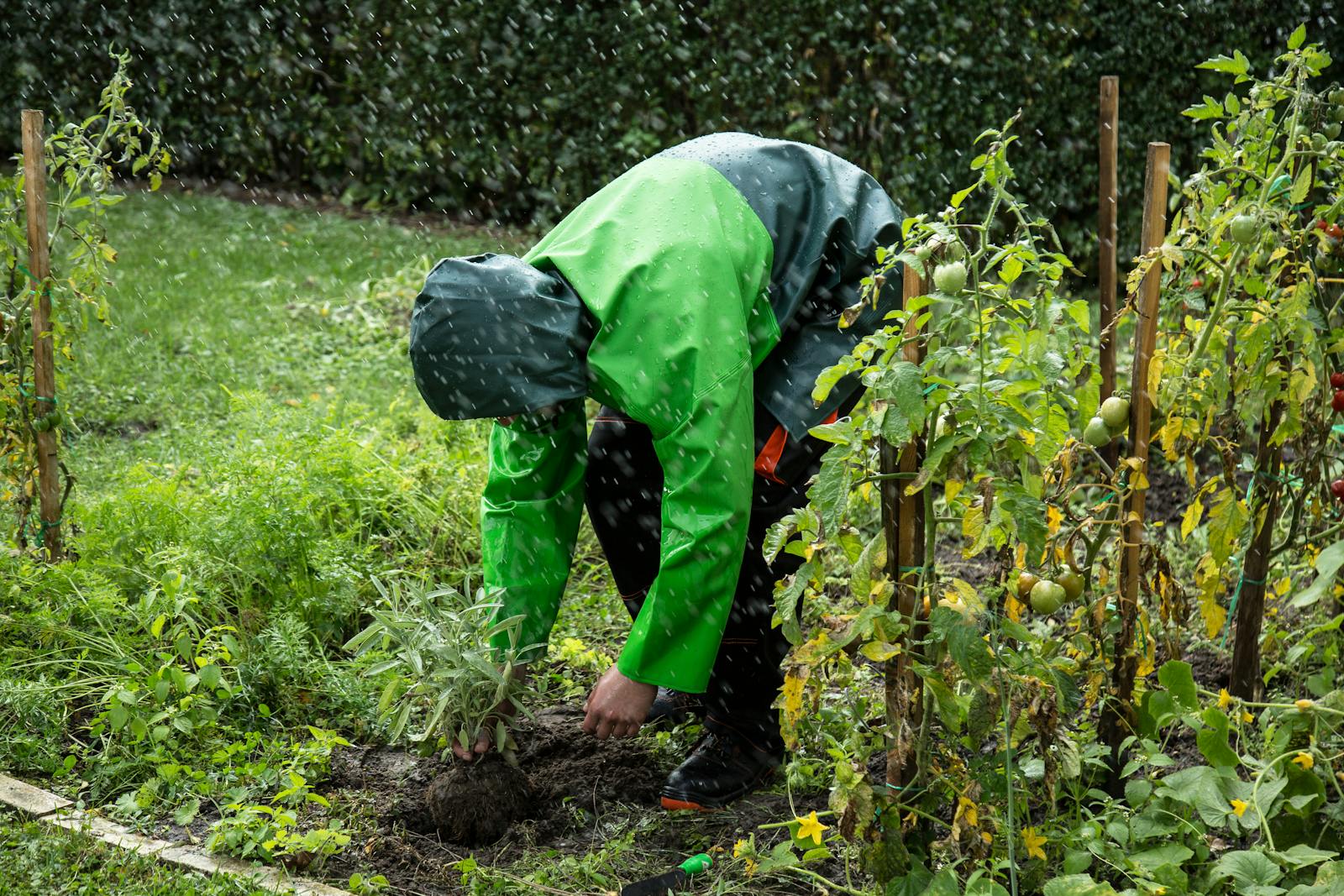
The researchers, led by a team at Wageningen University in the Netherlands, measured cortisol both immediately after activity sessions and across multi-week periods. The immediate post-activity cortisol drop was comparable between gardeners and gym-goers — roughly 15 to 18 percent in both groups. The meaningful divergence showed up in baseline measurements taken over time. Participants who gardened consistently for eight weeks or longer had morning cortisol levels that were, on average, 12.4 percent lower than regular gym attendees and 21.6 percent lower than sedentary controls. The authors noted that gym exercise, while excellent for cardiovascular and musculoskeletal health, sometimes elevated cortisol in participants who treated it as performance-driven or time-pressured — a pattern that didn't appear in the gardening cohort.
What makes gardening physiologically distinct? The meta-analysis points to several converging mechanisms. Soil contact exposes people to Mycobacterium vaccae, a bacterium that has been shown in preclinical research to stimulate serotonin production. The repetitive, low-intensity motor patterns of weeding, planting, and watering appear to activate parasympathetic nervous system responses similar to those observed in mindfulness practices. And the outdoor light exposure — even on overcast days — helps regulate circadian cortisol rhythms in ways that indoor gym environments typically cannot. The researchers were careful to note that these mechanisms remain partially theoretical and that more controlled trials isolating each variable are needed.
The finding resonates with a broader body of work on how routine and purpose affect long-term wellbeing, something VegOut has explored extensively. Our recent piece on habits of older adults who remain mentally sharp into their 70s highlighted the role of early-morning outdoor routines — and gardening was among the most frequently cited. Similarly, a powerful essay we published from a 70-year-old retiree who lost his sense of purpose described how tending a small raised bed became one of the few activities that gave his days structure again. These anecdotal threads now have a stronger evidence base behind them.
The meta-analysis does carry important caveats. Most of the included studies relied on self-reported gardening duration, and the populations skewed older and more female. The researchers also couldn't fully control for personality differences — it's possible that people drawn to gardening are temperamentally less stress-reactive to begin with. And none of the findings suggest anyone should trade their gym membership for a trowel. Cardiovascular fitness, bone density, and metabolic markers all favor structured exercise. The cortisol benefit of gardening appears to be additive, not a replacement.
Still, in a wellness culture that often equates intensity with effectiveness, there's something worth sitting with here. The data suggest that the most powerful stress intervention available to many people might already be growing in their backyard — or could be, with a few packets of seeds and a patch of dirt. For renters and apartment dwellers, community garden programs and even indoor container gardening showed partial benefits in several of the reviewed studies, though the effects were smaller. The lead author, Dr. Agnes van den Berg, put it plainly in the paper's discussion section: "We may be undervaluing low-arousal, nature-embedded physical activities because they don't look like exercise." The cortisol data suggests our bodies know the difference, even if our fitness trackers don't.
Feature image by Nothing Ahead on Pexels
If You Were a Healing Herb, Which Would You Be?
Each herb holds a unique kind of magic — soothing, awakening, grounding, or clarifying.
This 9-question quiz reveals the healing plant that mirrors your energy right now and what it says about your natural rhythm.
✨ Instant results. Deeply insightful.

Adam Kelton
Adam Kelton is a writer and culinary professional with deep experience in luxury food and beverage. He began his career in fine-dining restaurants and boutique hotels, training under seasoned chefs and learning classical European technique, menu development, and service precision. He later managed small kitchen teams, coordinated wine programs, and designed seasonal tasting menus that balanced creativity with consistency.
After more than a decade in hospitality, Adam transitioned into private-chef work and food consulting. His clients have included executives, wellness retreats, and lifestyle brands looking to develop flavor-forward, plant-focused menus. He has also advised on recipe testing, product launches, and brand storytelling for food and beverage startups.
At VegOut, Adam brings this experience to his writing on personal development, entrepreneurship, relationships, and food culture. He connects lessons from the kitchen with principles of growth, discipline, and self-mastery.
Outside of work, Adam enjoys strength training, exploring food scenes around the world, and reading nonfiction about psychology, leadership, and creativity. He believes that excellence in cooking and in life comes from attention to detail, curiosity, and consistent practice.
More Articles by Adam