
The largest brain-imaging study of pregnant women to date found that grey matter decreases by nearly 5% during pregnancy — and the bigger the change, the stronger the mother-infant bond. Researchers say it's not decline. It's specialization.

Add VegOut to your Google News feed. 
Pregnancy physically reshapes the brain. That's the headline finding from the largest neuroimaging study of pregnant women ever conducted, and the implications go well beyond what most people mean when they joke about "baby brain."
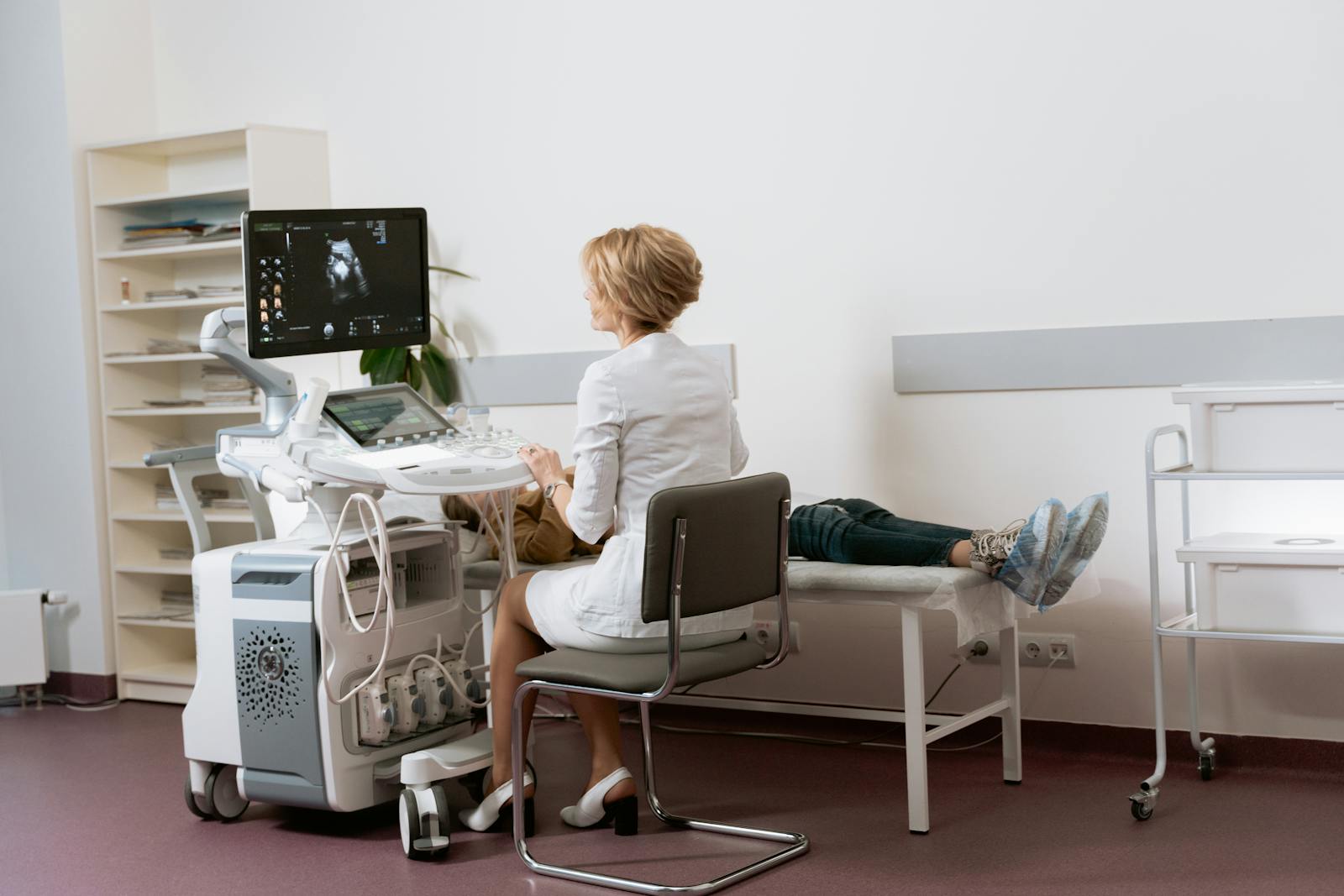
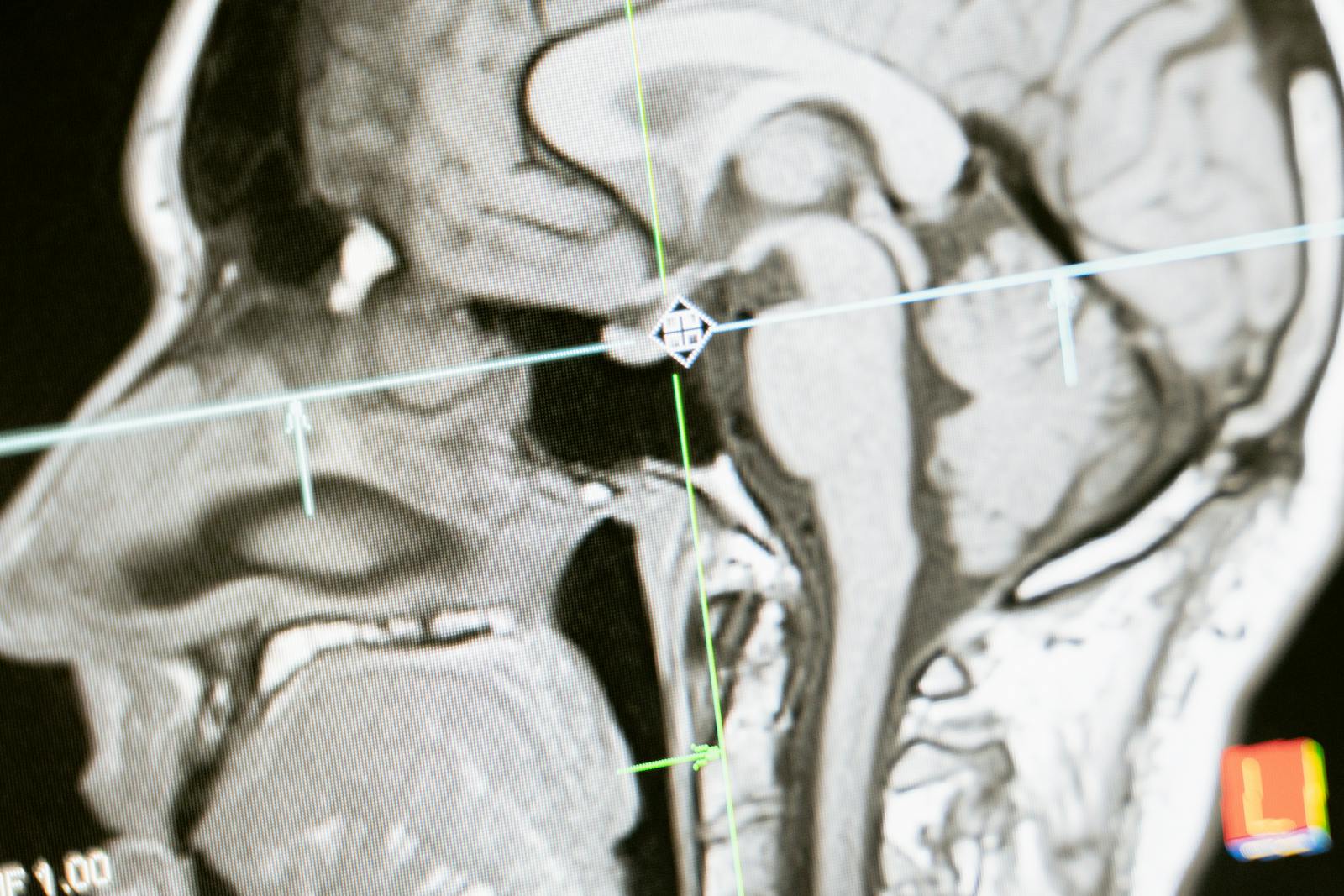
Research examining pregnant women scanned the brains of women before, during, and after pregnancy using multiple MRI scans, alongside women who had never been pregnant as a comparison group. The results reveal that grey matter decreased during pregnancy.
Grey matter reduction during pregnancy. And according to researchers, that might be a very good thing.
Less Brain, More Motherhood
The instinct is to hear "grey matter loss" and assume cognitive decline. That's the cultural shorthand we've been handed — the eye-rolling "pregnancy brain" stereotype suggesting expectant mothers become forgetful, scattered, less sharp. But research tells a radically different story.
"We find in biology, as in life, sometimes less is more," researchers have suggested. "I like to use the metaphor of pruning a tree. Some of the branches are cut to make it grow more efficiently."
Studies have found that the greater the grey matter changes in a woman's brain, the more likely she was to report strong bonding and relating well with her newborn. The brain wasn't deteriorating. It was specializing.
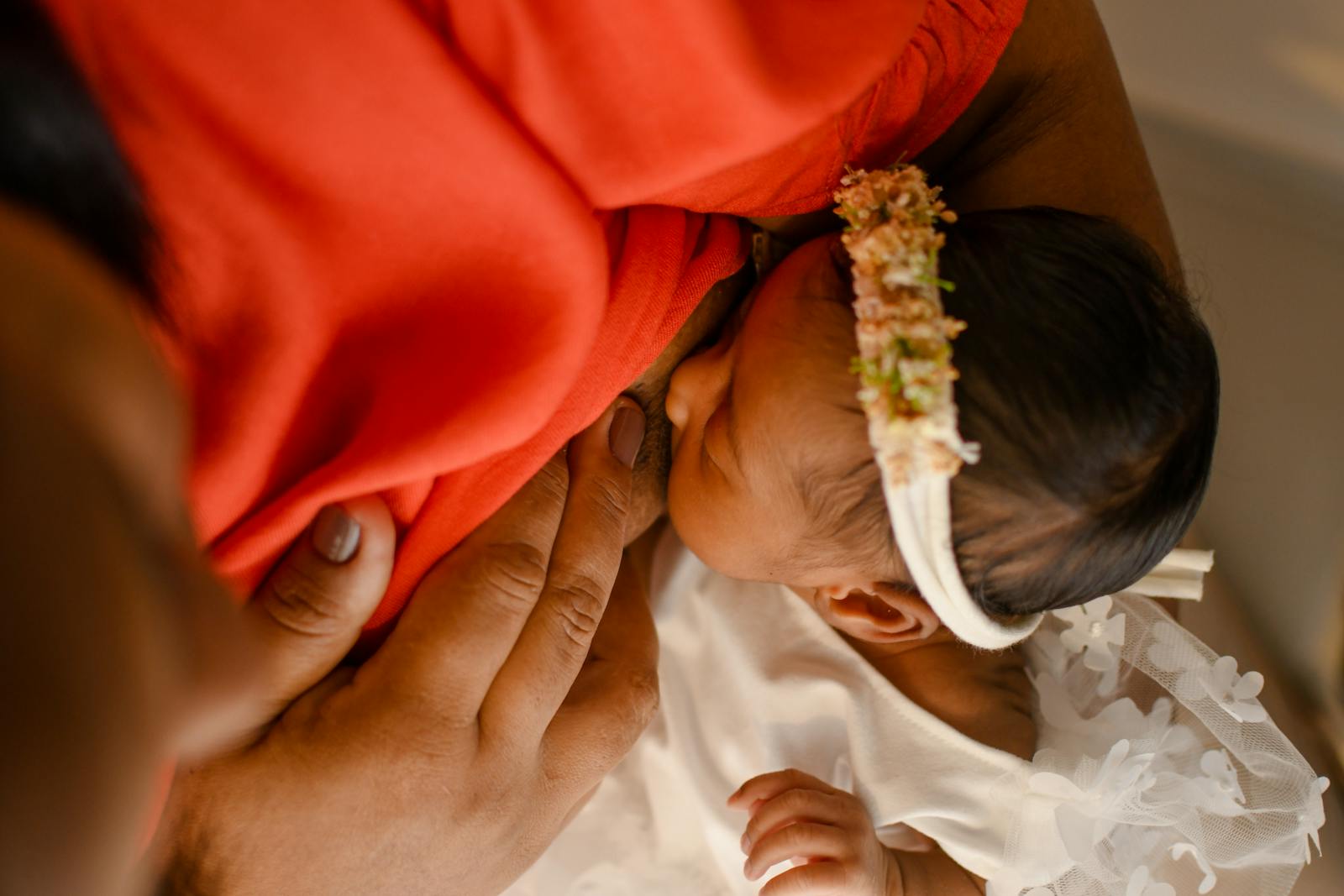
Think of it like your phone clearing cached data to run a demanding new app faster. The hardware stays the same, but the processing gets targeted. Except in this case, the "app" is keeping a tiny, helpless human alive and forming one of the deepest emotional bonds in nature.
The Default Mode Network Takes Center Stage
Not all brain regions changed equally. The most pronounced and persistent grey matter changes occurred in the default mode network — a brain system involved in self-perception, empathy, and altruism.
That matters because the default mode network is essentially your brain's social-emotional processing center. It's the machinery that helps you understand what other people are feeling, that lets you imagine another person's perspective, that undergirds the kind of deep attunement a newborn needs from a caregiver.
We've written before about how people define connection differently — some prioritize depth over frequency. What research suggests is that pregnancy literally rewires the brain to favor exactly that kind of deep, attuned connection. The brain appears to trim itself for intimacy with a very specific, very small person.
Hormones as Architects
Research has also tracked hormone levels throughout pregnancy and found that rising oestrogen levels tracked closely with the reduction in grey matter in some participants. The correlation suggests hormones aren't just managing the physical demands of pregnancy — they're actively sculpting the brain.
Animal research reinforces this. Studies in mice have suggested that pregnancy hormones work on specific groups of nerve cells to help activate parenting behavior. The human data now appears to show a parallel process happening on a much larger structural scale.
Earlier research has explored pregnancy-related brain changes. In 2016, researchers conducted a smaller study of pregnant women and found no significant changes in memory function despite the grey matter shifts — an early clue that loss of volume didn't equal loss of capability.
Rewriting the "Baby Brain" Narrative
Study participants have put it bluntly: "Rather than becoming dumber, we are becoming more specialised for the job," some have told researchers.
That reframing is significant. The "baby brain" trope has real consequences — in workplaces, in how pregnant women are perceived as decision-makers, in how women themselves interpret their own cognitive experience during and after pregnancy. If you've ever watched someone dismiss a pregnant colleague's input with a knowing smile, you understand what's at stake culturally when the science gets misread.
What research proposes is a comparison to adolescence — another life stage where the brain undergoes massive pruning and restructuring. Nobody calls teenagers "brain damaged" because their grey matter is reorganizing (we call them plenty of other things, but that's a different article). The adolescent brain is widely understood to be maturing, not declining. The same framework, researchers argue, should apply to pregnancy.
The Recovery Question
The grey matter doesn't simply vanish forever. According to research, it partially returned by months after giving birth — though not fully. What that means long-term remains an open question researchers plan to investigate further.
Whether the persistent changes represent permanent maternal "upgrades" or something more complex will likely require years of follow-up. But the direction of the evidence so far points toward optimization, not deficit.
We've explored before how fears about physical change are often really fears about identity. These findings flip that anxiety on its head. The change in question here is the body building a new identity — one wired for caregiving, empathy, and the particular vigilance that keeping a newborn alive demands.
Why This Matters Beyond Motherhood
The significance extends past individual pregnancies. Understanding how hormones drive large-scale brain restructuring could inform research into neuroplasticity more broadly — how adult brains adapt, rewire, and specialize in response to major life events.
It also raises questions science hasn't fully answered yet. Do similar (if less dramatic) brain changes happen in non-birthing parents who become primary caregivers? How do second and subsequent pregnancies compare? Emerging research on second pregnancies suggests the brain's response may differ from the first time around — further evidence that these are adaptive processes, not random degradation.
For now, the takeaway from the largest study of its kind is straightforward: pregnancy reshapes the brain in measurable, meaningful ways that appear to prime women for the immense cognitive and emotional demands of new motherhood. The brain loses volume. It gains purpose.
Or as the tree metaphor suggests — sometimes you have to cut branches to help something grow.
Feature image by RDNE Stock project on Pexels
If You Were a Healing Herb, Which Would You Be?
Each herb holds a unique kind of magic — soothing, awakening, grounding, or clarifying.
This 9-question quiz reveals the healing plant that mirrors your energy right now and what it says about your natural rhythm.
✨ Instant results. Deeply insightful.

Jordan Cooper
Jordan Cooper is a pop-culture writer and vegan-snack reviewer with roots in music blogging. Known for approachable, insightful prose, Jordan connects modern trends—from K-pop choreography to kombucha fermentation—with thoughtful food commentary. In his downtime, he enjoys photography, experimenting with fermentation recipes, and discovering new indie music playlists.
More Articles by Jordan