
Impossible Foods quietly rolled out its fourth major burger reformulation — and for the first time, blind taste test data shows a majority of regular meat-eaters preferred it to conventional beef.

Add VegOut to your Google News feed. 
Impossible Foods has been tinkering with its flagship burger since the day it launched, but the company's latest reformulation — rolled out quietly over the past few months with minimal fanfare — might be the one that changes the conversation entirely.
According to the company, self-identified meat-eaters in blind taste tests preferred the new Impossible Burger over conventional 80/20 ground beef patties. Not by a slim margin, either. Impossible says the preference rate among omnivores exceeded 55%, a threshold the company has been chasing since founder Pat Brown first started obsessing over heme protein in a Stanford biochemistry lab more than a decade ago. (Impossible Foods has not published the full testing data publicly, and these claims have not been independently verified.)
If you blinked, you might have missed it. There was no Super Bowl ad, no celebrity chef unveiling, no press conference with dramatic lighting. The new formulation simply started appearing on shelves and in restaurant supply chains, identifiable mainly by updated packaging and a subtly different nutrition panel.
Which, honestly, might be the smartest move Impossible has made in years.
What Actually Changed
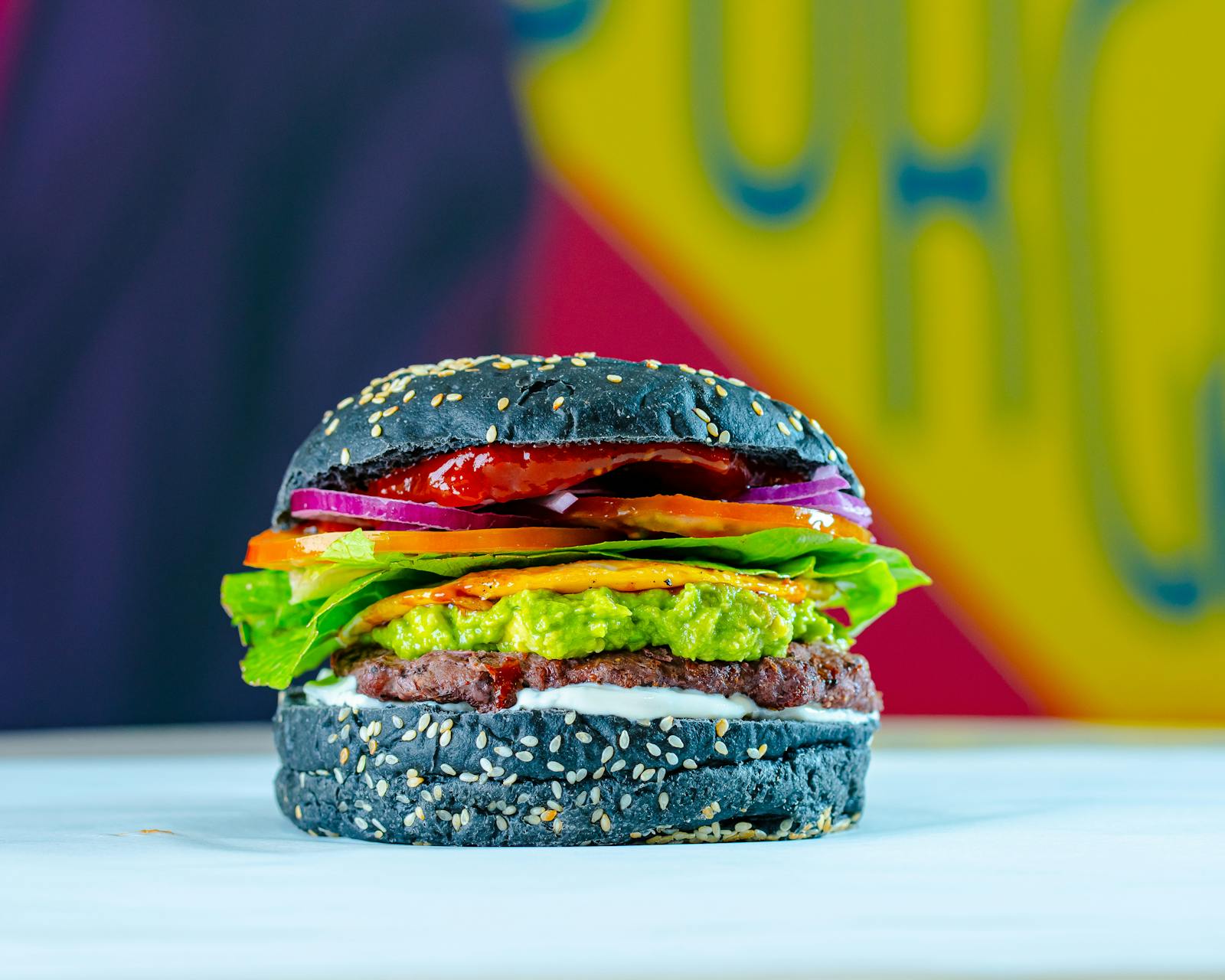
The reformulation — the fourth major version since the original 2016 launch — centers on three key areas: fat system, protein blend, and what food scientists call "mouthfeel architecture." Impossible's R&D team reportedly overhauled the way fats render during cooking, creating a more dynamic sear and a juicier interior that better mimics the experience of biting into a medium-rare beef patty.
The protein blend has been adjusted too. Soy protein concentrate remains the backbone, but the company has refined its processing methods to reduce the beany aftertaste that some consumers — particularly frequent meat-eaters — could detect in earlier versions. The result, according to an Impossible spokesperson, is a "cleaner" protein flavor that lets the savory, umami-forward heme do its thing without interference.
Heme, for the uninitiated, is the iron-containing molecule that Impossible has built its entire identity around. Produced via precision fermentation using genetically engineered yeast, soy leghemoglobin gives the burger its signature bleed, its ruddy color shift during cooking, and much of its meaty depth. The new version reportedly uses an optimized concentration of heme — enough to deliver on flavor without the slightly metallic note some tasters flagged in version three.
The nutritional profile got a tune-up as well. According to the company, saturated fat dropped significantly compared to the previous iteration, bringing it more in line with lean ground beef. Protein content reportedly increased, and sodium — the eternal nemesis of plant-based products — came down as well. (Exact figures can be confirmed on the updated nutrition label on Impossible's packaging.)
The Blind Test Data
Impossible says it conducted blind taste tests through a third-party sensory evaluation firm, sampling a large number of participants across multiple U.S. cities. Participants were screened and categorized by dietary habits: regular meat-eaters (consuming beef at least twice per week), flexitarians, and people who already avoided red meat. (The company has not publicly released the full study methodology or results.)
The headline number — 55% of committed meat-eaters preferring the Impossible patty, according to the company — is significant, but the details underneath tell a richer story. Among flexitarians, the preference rate reportedly climbed even higher. When participants were told after the test which sample was plant-based, a substantial portion of the meat-eating cohort expressed surprise, with many reporting they had assumed the Impossible sample was the conventional beef.
It's worth noting that blind taste tests in controlled environments are inherently limited. Burgers are more than patties — they're buns and condiments and the smell of a backyard grill and whether your uncle is going to make a comment about your food choices at the cookout. Context matters. But as a data point about pure sensory quality, the results are hard to dismiss.
Food scientists have generally noted that well-designed sensory evaluation studies can be informative, though they caution that preference tests can vary significantly depending on preparation method, temperature, and seasoning. Impossible says the patties were cooked identically on flat-top griddles with salt only — no ketchup rescue missions.
Why the Quiet Rollout Makes Sense
The subdued launch strategy represents a sharp pivot from Impossible's earlier playbook. Remember the breathless hype cycles of 2019 and 2020? The Burger King Impossible Whopper rollout was a genuine cultural moment. Celebrity endorsements. Sold-out grocery aisles. Speculation about potential IPOs and valuations.
Then came the correction. As VegOut previously reported, the entire plant-based meat sector entered a turbulent phase, with Beyond Meat facing existential questions about its business model and consumer interest plateauing after the initial novelty wore off. The gap between hype and habitual purchasing turned out to be vast.
Impossible seems to have absorbed that lesson. Rather than promising a revolution, the company is letting the product speak. The reformulation landed in foodservice accounts and retail simultaneously, with Impossible relying on repeat purchases and word-of-mouth rather than a blitz campaign that sets expectations impossibly (pun intended) high.
Peter McGuinness, who took over as CEO in 2022, has talked openly about this shift in philosophy. He has described the company's approach as focused on "earning the center of the plate through taste, not through guilt." That framing tracks with what we've been seeing across the industry — a move toward meeting people where they are rather than asking them to adopt a new identity.
The Competitive Landscape Just Got More Interesting
This reformulation drops into a plant-based market that looks radically different from the one that existed during the boom years. The field has bifurcated. On one end, legacy brands are fighting for shelf space in a crowded and somewhat fatigued category. On the other, entirely new approaches are emerging — from cultivated meat grown in bioreactors to mycelium-based proteins and precision-fermented dairy analogues.
We've been tracking this evolution closely. As we covered earlier this year, the next generation of alt-protein is being grown in steel tanks from actual animal cells, and companies in the fungal and fermentation space are rapidly scaling up. Impossible's play here is essentially an argument that the original category — plant-based ground beef — still has room to improve and compete without requiring entirely new technology or regulatory frameworks.
That argument is more compelling with a product that wins blind taste tests against beef. Whether it holds up at population scale is the multi-billion-dollar question.
The fast-food channel will be a critical proving ground. Some chains have been pulling back on plant-based options while others are doubling down. Impossible's ability to deliver a better-tasting product at a competitive price point could determine whether QSR partners stick around or continue trimming their alternative menus.
The Price Question
Taste parity (or taste superiority, if you believe the blind test data) only matters if consumers can actually afford the product. This has been the persistent thorn for the entire category. Plant-based burgers still carry a price premium over conventional ground beef, and in a period of persistent food inflation, that premium becomes even harder to justify for budget-conscious shoppers.
Impossible says the reformulation was designed with cost efficiency in mind. The new manufacturing process is reportedly more streamlined, with fewer processing steps and better yield from raw ingredients. The company hasn't announced a retail price reduction yet, but McGuinness has hinted at "aggressive pricing strategies" for the back half of 2025, particularly in the foodservice channel where volume commitments allow for thinner margins.
For context, a pound of Impossible Burger generally retails at a noticeable premium over conventional 80/20 ground beef at most grocery chains, though exact prices vary by region and retailer. Closing that gap, even partially, could have an outsized impact on trial and repeat rates. Some of the plant-based products now ubiquitous at warehouse retailers like Costco have shown that price accessibility is often the single biggest driver of mainstream adoption.
What This Means for the "Curiously Conscious" Consumer
Here's the thing that gets lost in the industry analysis and competitive positioning talk: for the average person who's maybe cooking one or two meatless meals a week — or just curious about trying something different — the only question that really matters is "does it taste good?"
And increasingly, the honest answer seems to be yes.
The plant-based sector spent its first act convincing people that burgers could be made from plants. The second act was a messy middle period of overpromising and underdelivering, stock price drama, and a predictable cultural backlash. This feels like the beginning of a third act — one built on iterative improvement and quiet confidence rather than breathless disruption narratives.
Impossible's reformulated burger won't convert every committed carnivore overnight. No single product will. But the idea that a plant-based patty can win a blind taste test against beef — not among vegans looking for validation, but among people who eat burgers every week — represents a genuine milestone. The kind you earn through years of unsexy R&D work, not marketing budgets.
If you haven't tried the Impossible Burger in a while, this might be worth a fresh look. Not because of what it represents symbolically, but because it might genuinely be the best burger at the cookout. And honestly? That's the only argument that ever needed to be made.