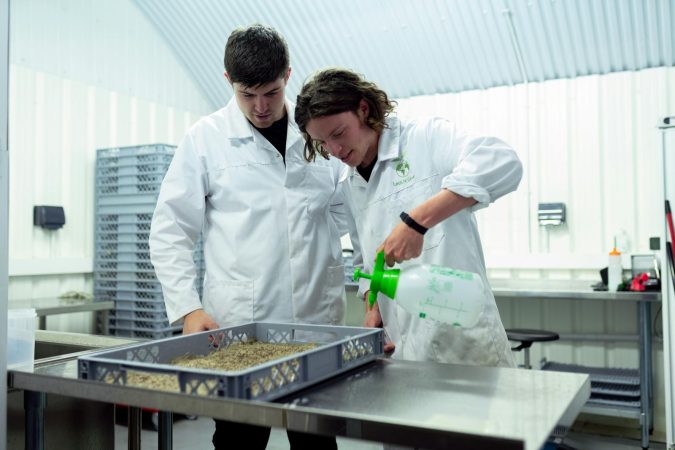
Major food security institutions have quietly shifted their planning models to assume 2°C of warming as a baseline rather than a worst case, triggering a fundamental overhaul of where the world's staple crops can viably grow — with cascading implications for protein systems, prices, and how we eat.

Add VegOut to your Google News feed. 
For years, climate models and agricultural planning operated on a shared assumption: that aggressive policy action could hold global warming to 1.5°C above pre-industrial levels. That assumption, which underpinned the Paris Agreement and shaped everything from crop insurance to international aid budgets, is quietly being abandoned by the institutions responsible for feeding the world.
A growing number of food security models — including those used by major international institutions like the United Nations Food and Agriculture Organization (FAO), the Consultative Group on International Agricultural Research (CGIAR), and the World Bank — are increasingly treating 2°C of warming as a baseline scenario rather than a worst case. The shift has been gradual, but the implications are anything but subtle. Entire crop maps are being redrawn, and the agricultural geography that defined the 20th century is entering an era of forced reinvention.
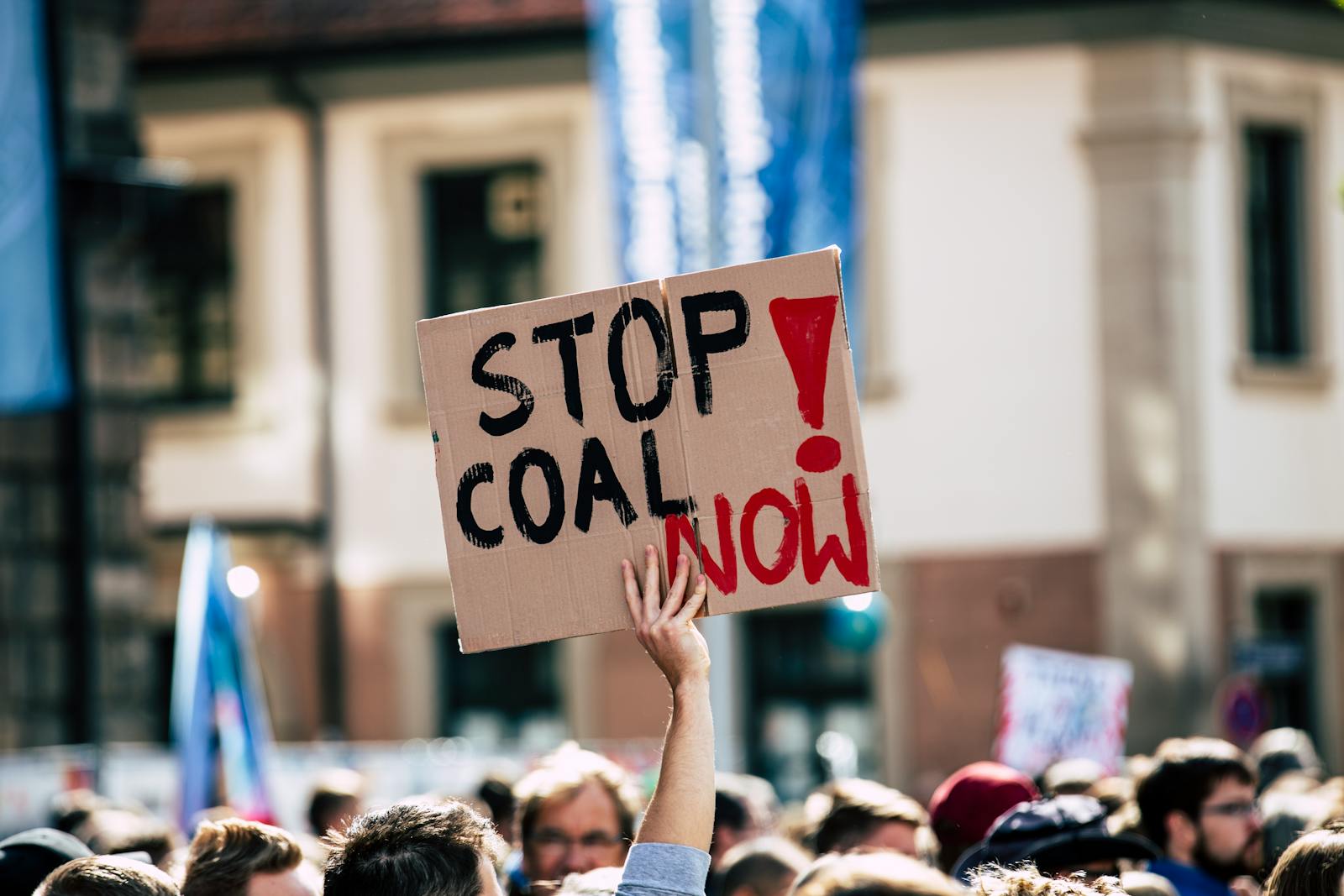
The Quiet Death of the 1.5°C Planning Scenario
The 1.5°C target was always aspirational. But for planning purposes, it served a critical function: it gave governments and institutions a benchmark around which to build models, fund research, and allocate resources. When the Intergovernmental Panel on Climate Change (IPCC) released its Special Report on 1.5°C in 2018, it catalyzed a wave of climate-adapted agricultural research designed around that threshold.
By 2024, the picture had changed. Global emissions continued to rise rather than plateau. The World Meteorological Organization confirmed that 2023 was the warmest year on record, and 2024 tracked even hotter. Recent climate research suggests that the probability of limiting warming to 1.5°C has dropped to near zero, even under the most optimistic policy scenarios.
Agricultural modelers took note. According to multiple reports, several major food security frameworks have updated their reference scenarios in recent years. The baseline shifted from 1.5°C to 2°C — and in some cases, planning now extends to 2.5°C by century's end.
The distinction matters more than the half-degree might suggest. The relationship between warming and crop yield loss is nonlinear. At 2°C, major staple crops — wheat, maize, rice, and soy — face yield declines that are significantly steeper than what the 1.5°C models projected. Research suggests that each additional 0.5°C of warming beyond 1.5°C could substantially reduce global crop yields, with the sharpest losses concentrated in the tropics and subtropics.
Where the Crop Maps Are Moving
The phrase "redrawing the crop map" sounds abstract until you look at specific regions. In sub-Saharan Africa, where maize is the dominant staple crop, climate models now project that a significant share of current maize-growing areas could become unsuitable by mid-century under a 2°C scenario — potentially double what earlier 1.5°C planning frameworks estimated.
The solutions being proposed involve massive geographic shifts. Sorghum and millet — crops that tolerate heat and drought far better than maize — are being repositioned as primary staples rather than secondary options. In South Asia, rice cultivation zones are expected to migrate northward, pushing into areas with less established irrigation infrastructure. The Punjab breadbasket regions of India and Pakistan, already stressed by groundwater depletion, face compounding pressures.
VegOut recently reported on how climate change is redrawing the global coffee map, with traditional growing regions in Central America and East Africa losing viability. That story is part of a much larger pattern: the same thermal and precipitation shifts that threaten coffee are reshaping the geography of wheat, cocoa, soy, and dozens of other crops that form the backbone of global food systems.
In the Northern Hemisphere, the map is moving too — just in a different direction. Canada and Russia are seeing expanded growing seasons, and agricultural land in Siberia and the Canadian prairies is becoming viable for crops that couldn't have survived there two decades ago. Research from institutions like the Potsdam Institute for Climate Impact Research suggests that Russia could see a significant expansion in arable land by mid-century, though soil quality in newly thawed permafrost regions remains a significant unknown.
The Protein Question Gets More Urgent
Crop map changes have a cascading effect on protein systems. When soy-growing regions shift, livestock feed supply chains shift with them. When rice yields drop in Southeast Asia, the caloric deficit has to be filled by something. This dynamic is why food security researchers are increasingly looking beyond traditional protein frameworks.
As VegOut previously covered, some food security researchers are now recommending insect protein over plant-based alternatives for feeding vulnerable populations, precisely because insects require far less water and land per gram of protein. That recommendation becomes more relevant as arable land shrinks in the regions that need calories most.
Meanwhile, Singapore's fast-tracked approval of cultivated meat products represents the other end of the adaptation spectrum: high-tech, capital-intensive protein production that decouples food from traditional agricultural geography entirely. Whether cultivated meat can scale affordably enough to matter for food security — rather than just affluent consumers — remains one of the open questions.
The plant-based sector has its own reckoning to navigate here. Beyond Meat's recent struggles reflect a market correction, but the underlying logic of plant-based protein — that it uses less land, water, and emissions per calorie — becomes more compelling, not less, as agricultural land becomes scarcer. The challenge is translating that logic into products and systems that work across income levels and food cultures.
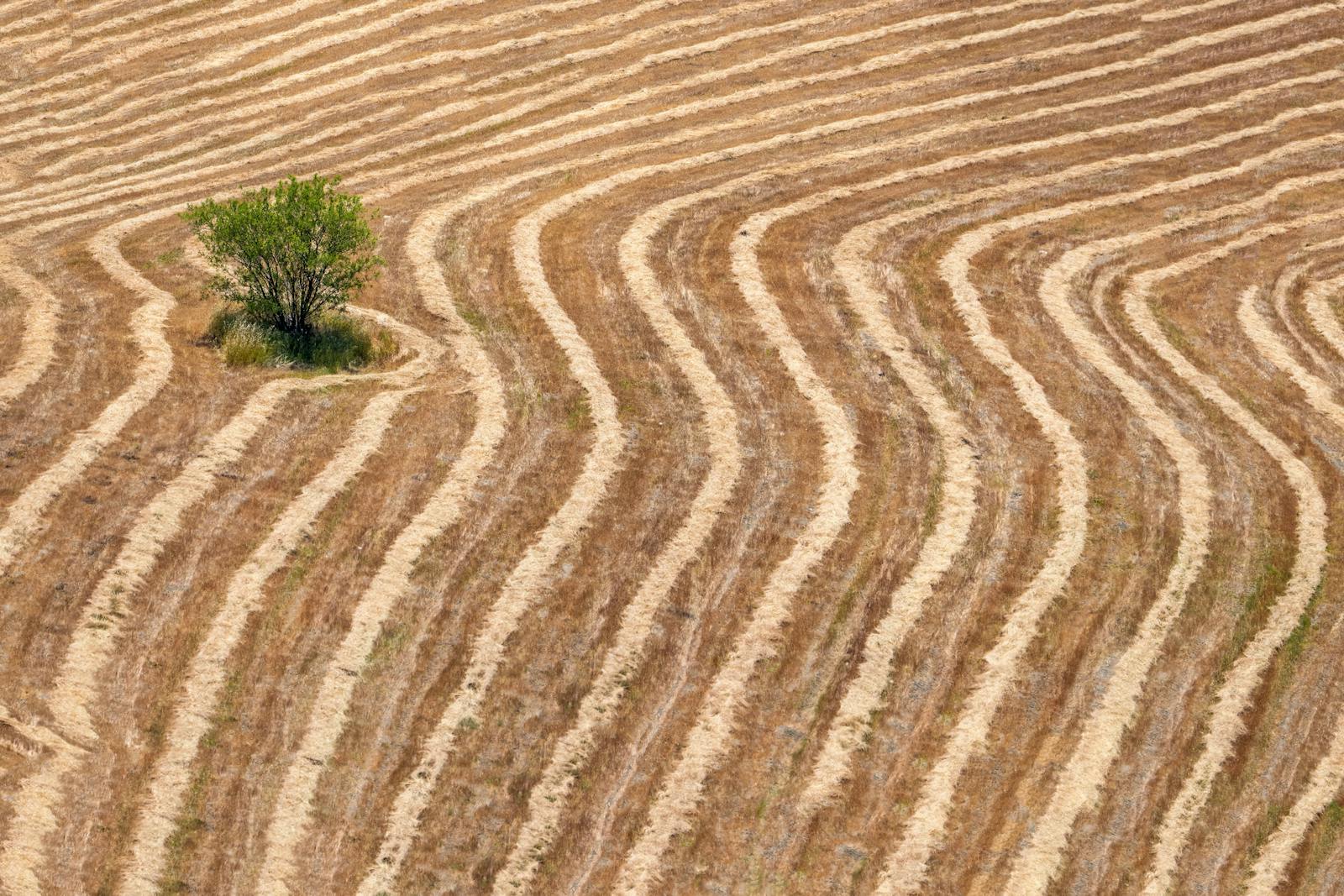
Adaptation Is Outpacing Mitigation — and That Has Consequences
One of the more unsettling aspects of this shift is what it reveals about institutional priorities. When planning models bake in 2°C, they are implicitly acknowledging that mitigation efforts have fallen short. The focus moves from "how do we prevent this" to "how do we survive this."
That shift carries real risks. Climate adaptation in agriculture is expensive and slow. Breeding heat-tolerant crop varieties takes 10–15 years. Rebuilding irrigation infrastructure for new growing zones takes decades. And the countries most affected — in the tropics and Global South — are precisely those with the least capital to invest in adaptation.
The World Bank has estimated that adapting global agriculture to 2°C of warming would require hundreds of billions of dollars in annual investment through 2050. Current spending is a fraction of that figure. The gap between what models say is necessary and what governments are funding is, by most expert assessments, the most dangerous feature of the current moment.
There's also a feedback loop that deserves attention. Agriculture itself accounts for roughly 10–12% of global greenhouse gas emissions, and land use change adds another 8–10%. As growing zones migrate, deforestation in newly viable areas could accelerate emissions further. Brazil's cerrado, already under pressure from soy expansion, and Russia's boreal forests, which store enormous quantities of carbon, are both in the crosshairs.
What This Means for How We Eat
For consumers in wealthier nations, the effects of crop map changes will initially appear as price volatility. Grain prices, cooking oil prices, and the cost of staple foods will fluctuate more widely as weather events disrupt harvests in shifting growing zones. We've already seen previews: the 2022 wheat price spike following Russia's invasion of Ukraine combined geopolitical disruption with drought-reduced harvests in key producing regions.
Over the longer term, dietary shifts become less of a lifestyle choice and more of an economic and ecological reality. Diets built around a diverse range of plant proteins — legumes, whole grains, nuts, seeds — are inherently more resilient to supply chain disruption than diets dependent on a narrow set of commodity crops funneled through animal agriculture. That's a structural argument, not a moral one.
The conversation about ultraprocessed plant-based foods and health is relevant here too. Building food system resilience means investing in whole food plant proteins that can be grown in diverse climates, not just engineering novel products in factories. Both have a role, but the former is more directly tied to the food security models being rewritten right now.
The Map Is Moving. The Question Is Whether We Move With It.
There's a temptation to frame 2°C as a failure — and in terms of climate ambition, it is. The world set a goal and missed it. But from a planning perspective, the honesty of these updated models is valuable. Food systems that plan for the climate they're actually going to get, rather than the one they hoped for, stand a better chance of feeding people.
The crop maps being redrawn right now will shape what's available, affordable, and sustainable to eat for the rest of this century. They'll determine which countries become net food importers and which become exporters. They'll influence migration patterns, trade relationships, and geopolitical power.
For anyone thinking about what conscious living looks like in a warming world, this is the foundational story. The food system we built for the 20th century is being dismantled by physics. The one that replaces it will be defined by how quickly we adapt — and how willing we are to eat differently.
Feature image by ThisIsEngineering on Pexels
If You Were a Healing Herb, Which Would You Be?
Each herb holds a unique kind of magic — soothing, awakening, grounding, or clarifying.
This 9-question quiz reveals the healing plant that mirrors your energy right now and what it says about your natural rhythm.
✨ Instant results. Deeply insightful.

Adam Kelton
Adam Kelton is a writer and culinary professional with deep experience in luxury food and beverage. He began his career in fine-dining restaurants and boutique hotels, training under seasoned chefs and learning classical European technique, menu development, and service precision. He later managed small kitchen teams, coordinated wine programs, and designed seasonal tasting menus that balanced creativity with consistency.
After more than a decade in hospitality, Adam transitioned into private-chef work and food consulting. His clients have included executives, wellness retreats, and lifestyle brands looking to develop flavor-forward, plant-focused menus. He has also advised on recipe testing, product launches, and brand storytelling for food and beverage startups.
At VegOut, Adam brings this experience to his writing on personal development, entrepreneurship, relationships, and food culture. He connects lessons from the kitchen with principles of growth, discipline, and self-mastery.
Outside of work, Adam enjoys strength training, exploring food scenes around the world, and reading nonfiction about psychology, leadership, and creativity. He believes that excellence in cooking and in life comes from attention to detail, curiosity, and consistent practice.
More Articles by Adam