Plant-based meat sales keep sliding while Gen Z spends record amounts on kimchi, kombucha, and miso. The generation that was supposed to save alternative protein is choosing fermented foods instead — and the reasons go deeper than gut health trends.

Add VegOut to your Google News feed. 
Scroll through any Gen Z food influencer's TikTok and count the Beyond Burgers. I'll wait.
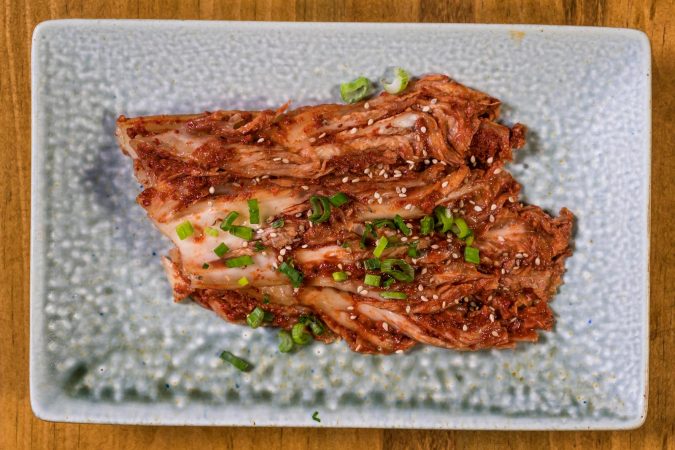
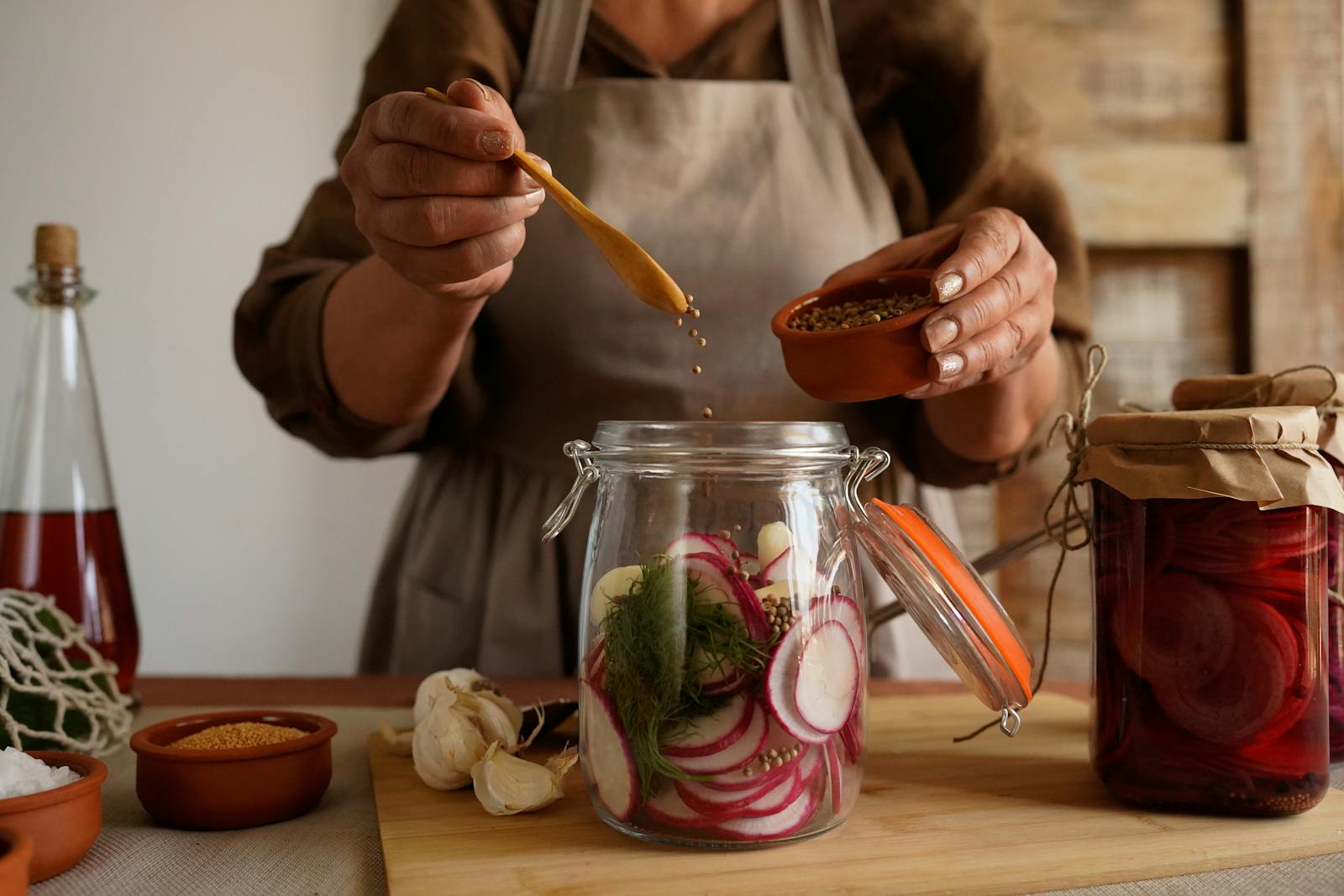
You'll find kimchi jars stacked like trophies. Homemade kombucha SCOBYs named after celebrities. Sourdough starters with more backstory than a Marvel villain. Miso paste being stirred into everything from pasta sauce to brownies. What you probably won't find is a plant-based patty sizzling on a grill.
The data backs up what your For You page already told you. Plant-based meat sales in the U.S. have been sliding since their pandemic-era peak, while the global fermented food market is projected to hit $989 billion by 2032. And the generation driving that fermented food boom? The same one that's supposed to be the savior of alternative protein.
Here's my take: Gen Z hasn't rejected the values behind plant-based meat. They've rejected the format. And the food industry is only just starting to understand the difference.
The Plant-Based Correction Is Real
Beyond Meat's stock has cratered more than 95% from its 2019 high. The company reported yet another quarter of declining revenue, and the broader plant-based meat category saw U.S. retail sales dip for the third consecutive year. As VegOut has reported, the sector is firmly in its correction era.
But here's where it gets interesting. A recent study published in Nature found that most plant-based meat buyers also buy conventional meat. These products never fully converted anyone. They were a curiosity purchase, a "let me try this" impulse buy that didn't become a habit.
Meanwhile, an Ohio State University study concluded that the traditional meat industry isn't even threatened by plant-based alternatives. The substitution effect that everyone banked on simply hasn't materialized at scale.
Gen Z watched this play out in real time. They grew up seeing the hype cycle — the IPO frenzy, the fast-food collaborations, the Super Bowl ads — and then they watched the backlash. They're pattern-recognition machines raised on the internet. Of course they noticed.
Why Fermented Foods Hit Different for This Generation
Talk to a 22-year-old about why they spend $14 on a jar of small-batch kimchi and you'll hear something that sounds nothing like a health pitch. You'll hear about gut health, sure. But also about process. Tradition. Slowing down. The TikTok-era fascination with fermentation is genuinely about something deeper than nutrition labels.
Kerry's 2024 global taste and nutrition survey found that 64% of Gen Z consumers actively seek out fermented foods, compared to 45% of Baby Boomers. The fermented food category — spanning kombucha, kefir, kimchi, tempeh, miso, sauerkraut, and fermented hot sauces — grew 11.3% year-over-year in U.S. retail, according to SPINS data.
Three forces are converging here.
The gut-brain connection went mainstream. The explosion of research linking the microbiome to mental health has given Gen Z a framework that resonates deeply. This generation reports the highest rates of anxiety and depression of any demographic. When scientists say fermented foods can positively influence mood through the gut-brain axis — as a Stanford study from 2021 demonstrated — that lands differently for a generation actively managing their mental health.
Short ingredient lists are the new flex. VegOut previously covered how ultraprocessed plant-based foods raise cardiovascular risk nearly as much as their meat equivalents. Gen Z absorbed that message. They can read an ingredient list on a Beyond Burger and count 18 items. Then they look at their jar of sauerkraut: cabbage, salt, time. The math is obvious.
Fermentation feels like a skill, not a purchase. The same generation that turned sourdough into a pandemic personality trait genuinely enjoys the craft element. Making your own kombucha or fermenting hot sauce at home costs almost nothing and produces content. Plant-based burgers require a factory. Fermented vegetables require patience and a mason jar. One of those aligns with a generation obsessed with authenticity and DIY culture. The other doesn't.
The Ingredient List Problem
I keep coming back to this because I think it's the crux of the whole shift.
Plant-based meat was engineered to replicate an experience. The goal was mimicry — get the texture right, nail the flavor, make the bleeding happen. That required methylcellulose, pea protein isolate, refined coconut oil, and a parade of processing steps. The result was a product that satisfied a very specific need: people who wanted a burger but didn't want it to come from a cow.
Fermented foods weren't engineered to replicate anything. Kimchi doesn't pretend to be something else. Tempeh has been tempeh for centuries. These foods have their own identity, their own tradition, their own reason for existing that predates any marketing campaign by about a thousand years.
As we explored in our piece on how the future of food is fungal, fermented, and lab-grown, the next wave of food innovation isn't about copying meat. It's about developing entirely new categories. Gen Z seems to have arrived at this conclusion intuitively, voting with their wallets for foods that stand on their own rather than standing in for something else.
The Economic Angle Nobody's Talking About
Here's something I think gets overlooked in the "Gen Z loves fermented foods" narrative: this generation is broke.
They entered the workforce during or just after a pandemic, face record housing costs, and carry unprecedented student debt. A pack of Beyond Burger patties runs $7-9. A head of cabbage, a tablespoon of salt, and a week of patience produces enough sauerkraut to last a month for under $2.
Even store-bought fermented foods tend to deliver more bang for the buck than plant-based meat alternatives. A jar of kimchi becomes a condiment, a side dish, a fried rice ingredient, a soup base. A plant-based burger is... a burger. Once.
As Green Queen Media recently reported, 60% of Americans are buying less meat as beef prices break records. Economic pressure is reshaping diets across the board. But Gen Z's response hasn't been to reach for processed alternatives. It's been to reach backward — toward older, simpler food traditions that happen to be cheap, nutritious, and plant-based without needing to advertise themselves as such.
We touched on a similar thread in our piece about how working-class meals from the 1970s now cost $28 at farm-to-table restaurants. There's a long tradition of simple, fermented, and preserved foods being the backbone of affordable eating. Gen Z is rediscovering that, partly by necessity.
Fair Point: Plant-Based Meat Still Has a Role
I want to be fair here, because I think the "plant-based meat is dead" narrative is as overhyped as the original boom.
According to vegconomist's generational analysis, Millennials remain the strongest plant-based meat consumers, and the category still generates over $1.4 billion in annual U.S. retail sales. Products are improving. Prices are slowly coming down. And as we covered recently, the next generation of plant-based meat is being grown in steel tanks from actual animal cells, which may solve the ultra-processing concern entirely.
Plant-based meat was always meant to be a bridge product — a way to lower the barrier for people who love burgers. That bridge still has traffic on it. But Gen Z is building a different road entirely.
What This Actually Means for the Future of Food
The plant-based meat industry spent a decade and billions of dollars trying to answer one question: "How do we make plants taste like meat?" Gen Z is asking a fundamentally different question: "How do we eat in a way that makes our bodies and the planet feel good without pretending our food is something it's not?"
That question leads to fermentation. To whole foods. To ancient techniques made accessible through YouTube tutorials and Reddit threads. To $3 jars of sauerkraut and homemade gochujang and water kefir in recycled kombucha bottles.
The brands that will win with this generation aren't the ones perfecting the fake bleed. They're the ones making traditional fermented foods more accessible, more diverse, and more affordable. Think small-batch kimchi brands going national. Tempeh companies sourcing interesting heirloom beans. Miso producers making the case that this jar belongs next to the ketchup, not hidden in the "international" aisle.
The biggest lesson from Gen Z's fermentation obsession might be the simplest one: people don't want food that's trying to be something else. They want food that's confidently, deliciously itself.
And honestly? That might do more for plant-based eating than any burger ever could.
Feature image by Luis Becerra Fotógrafo on Pexels
What’s Your Plant-Powered Archetype?
Ever wonder what your everyday habits say about your deeper purpose—and how they ripple out to impact the planet?
This 90-second quiz reveals the plant-powered role you’re here to play, and the tiny shift that makes it even more powerful.
12 fun questions. Instant results. Surprisingly accurate.