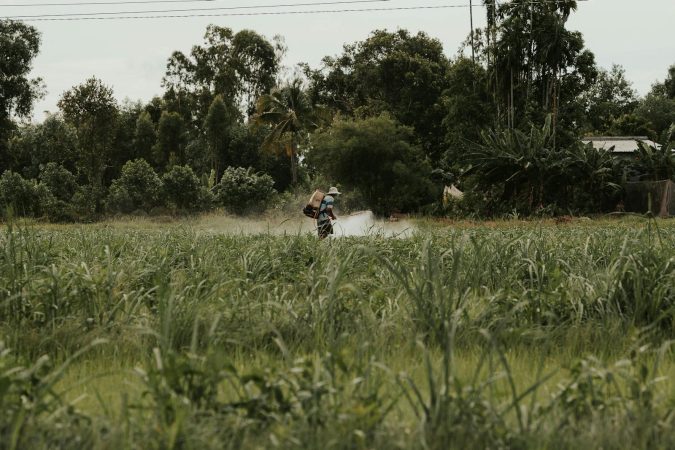
Syngenta will stop manufacturing paraquat by June 2026, citing market competition — but the decision comes as 8,000+ lawsuits and decades of research link the herbicide to Parkinson's disease. Experts warn generic producers will keep the chemical on U.S. fields until regulators act.

Add VegOut to your Google News feed. 
Syngenta, one of the world's largest agrochemical companies, announced it will stop manufacturing paraquat — a widely used herbicide that numerous scientific studies have linked to Parkinson's disease — by the end of June 2026.
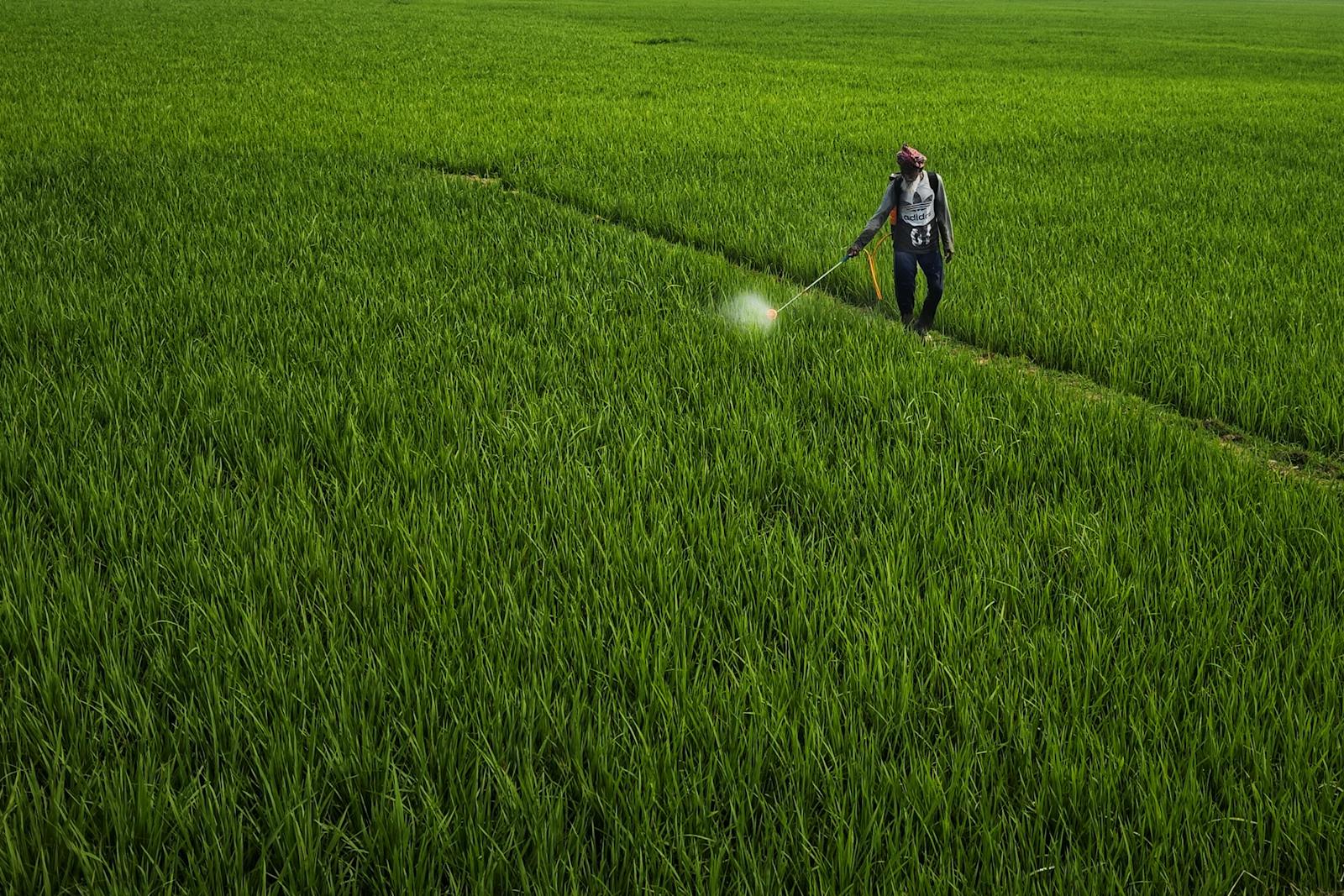
The company framed the decision as a business one, citing intense competition from generic producers that has "eroded Syngenta's competitiveness" in paraquat manufacturing. According to The Guardian, the herbicide contributes less than 1 percent to Syngenta's global sales.
But the commercial framing tells only part of the story. Syngenta currently faces more than 8,000 lawsuits in U.S. courts from people who allege paraquat exposure caused them to develop Parkinson's disease. That legal pressure, combined with decades of accumulating scientific evidence and sustained public health advocacy, makes the timing hard to ignore.
A Herbicide With a Long, Contested History
Paraquat has been used in the United States since 1964. A Syngenta predecessor company originally brought it to market in 1962, and today more than 750 companies around the world are registered to sell it, according to Syngenta's own website.
For much of that history, researchers have been raising red flags. Scientific literature has documented associations between paraquat exposure and elevated Parkinson's risk, and a 2024 study published on PubMed added to the body of evidence linking the herbicide to neurological harm.
The herbicide is already banned in several countries, including throughout Europe, according to The Guardian's reporting. Yet it remains legal and in active use across the U.S.
The U.S. Environmental Protection Agency has previously found insufficient evidence to link paraquat definitively to Parkinson's — a position that has frustrated public health researchers and advocacy groups for years.
Internal Documents Tell a Different Story
One of the more damning elements in this saga is what Syngenta apparently knew — and when.
Internal corporate files, obtained and revealed by The New Lede, showed that Syngenta was aware of research linking paraquat to Parkinson's decades ago. Those documents also suggested the company sought to influence the scientific conversation around the herbicide's safety profile.
The New Lede, a nonprofit investigative outlet, has been at the forefront of reporting on these corporate documents — work that has fed directly into the legal cases now piling up against the company.

We recently covered the growing number of American farmers developing Parkinson's and the emerging evidence pointing to pesticide exposure as a primary factor. Syngenta's exit from paraquat production adds a significant new chapter to that story.
Neurologists Call It a Milestone — With Caveats
The reaction from the medical and public health community has been cautiously optimistic.
Michael Okun, chair of neurology at the University of Florida, called the announcement a public health milestone. "For decades we have warned that certain pesticides increase the risk of Parkinson's and other serious diseases," Okun said, according to The Guardian. "This moment proves that advocacy, data and courage can change the trajectory of disease."
Ray Dorsey, a neurologist and director of the Atria Research Institute's Center for the Brain and the Environment, was similarly hopeful. "If this is true, then fewer people are going to develop Parkinson's disease in the future," Dorsey told The Guardian.
Fewer people developing Parkinson's. That's a sentence worth sitting with for a second.
But both experts and advocates have been quick to point out that Syngenta stopping production doesn't mean paraquat disappears from American fields.
The Generic Problem
Here's where things get complicated. Syngenta may have been the original manufacturer, but the paraquat market has been flooded with generic competitors — the very competition Syngenta cited as its reason for pulling out.
Nathan Donley, environmental health science director with the Center for Biological Diversity, put it bluntly. "It's great news that Syngenta is exiting the paraquat business, but it's also a reminder that smaller companies will readily fill the void as long as this poison remains approved in our borders," Donley said, per The Guardian.
That's the catch. As long as paraquat remains federally approved in the U.S., generic producers can keep manufacturing and selling it. The EPA's position — insufficient evidence for a ban — effectively keeps the door open, even as Europe and other regions have shut it.

So while Syngenta's exit removes the biggest brand name from the equation, it doesn't remove the chemical from the fields where farmworkers and rural communities are most exposed.
Why This Matters Beyond the Farm
Parkinson's disease affects nearly one million people in the United States, and its prevalence has been increasing. The question of what's driving those numbers — genetics, environment, chemical exposure, or some combination — has real consequences for how we think about food systems, farming practices, and the regulatory frameworks that govern both.
The paraquat story fits into a broader pattern that anyone paying attention to food and health can recognize: a chemical stays on the market for decades, science accumulates suggesting harm, the manufacturer disputes the findings, lawsuits mount, and eventually the economics shift enough that the company walks away — while framing the decision as a strategic business move rather than a concession.
Syngenta's production will wind down at its Huddersfield, UK, facility — the company's only manufacturing site for paraquat, according to the company's announcement.
What Happens Next
The 8,000-plus lawsuits aren't going anywhere just because Syngenta stops making the stuff. Those cases will continue to work through U.S. courts, and their outcomes could set precedents for how we handle similar chemical-safety disputes in the future.
For advocates pushing for a full federal ban on paraquat, this moment is both a validation and a reminder of how much further the fight has to go. A major manufacturer pulling out is meaningful. But the regulatory gap remains wide open.
And for the people already living with Parkinson's who believe paraquat exposure played a role? The announcement doesn't change their diagnosis. It might, however, change the calculus for the next generation of people working in and around American agriculture.
The science has been pointing in this direction for a long time. The market, finally, just caught up. Whether federal regulators follow is a whole different question.
Feature image by Long Bà Mùi on Pexels