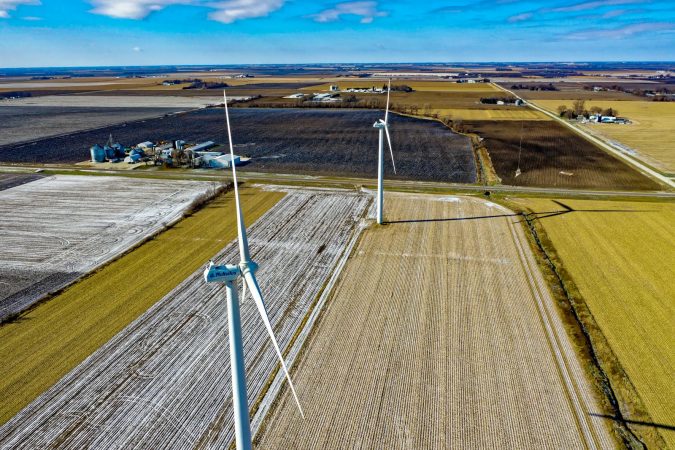
New USDA projections and university climate models suggest the Midwest could experience growing conditions resembling present-day Texas by mid-century — with profound implications for crop yields, soil health, land values, and the future of the American food supply.

Add VegOut to your Google News feed. 
Farmers in Iowa have long planned their seasons around a set of reliable assumptions: when the last frost will hit, how much rain to expect in July, which crop varieties will thrive in their particular slice of the Corn Belt. Those assumptions are breaking down faster than most people realize.
New projections from the USDA's updated Plant Hardiness Zone Map, combined with recent climate modeling from university agricultural extension programs, paint a striking picture of what's coming. By 2050, large swaths of the Midwest could experience growing conditions that more closely resemble present-day central Texas than the temperate heartland that generations of American farmers built their livelihoods around.
The shift has enormous implications for food production, land values, regional economies, and the way Americans eat.
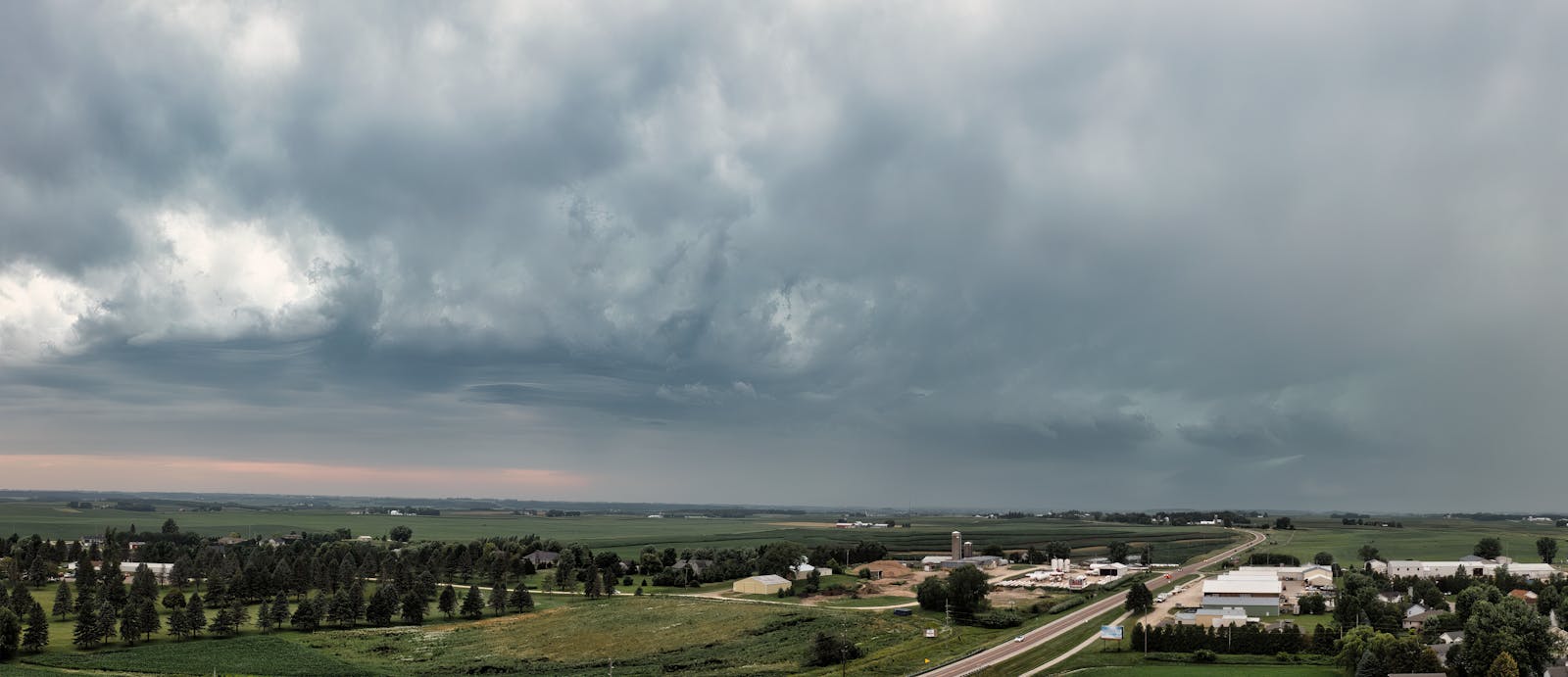
The Zones Are Moving North — Fast
The USDA's Plant Hardiness Zone Map, updated in November 2023, already reflected a half-zone northward shift across much of the country compared to the previous version from 2012. That means minimum winter temperatures in many areas had warmed enough in just over a decade to push them into an entirely new classification.
But the 2023 map is based on 30-year temperature averages from 1991 to 2020. Climate scientists at institutions including Purdue University, the University of Wisconsin-Madison, and Texas A&M have been modeling what happens when you project forward using current emissions trajectories. Their findings suggest that by mid-century, growing zones could shift by a full zone or more — meaning parts of central Illinois, Indiana, and Iowa would have winter temperature profiles closer to what Oklahoma and northern Texas experience today.
The critical word there is winter temperatures. The hardiness map only captures minimum cold extremes. When you layer in summer heat stress, changing precipitation patterns, and soil moisture data from NOAA's climate projections, the picture becomes more dramatic. Extended heat waves above 100°F, which currently define summer in cities like Dallas and Waco, could become a regular feature of July and August in Des Moines and Springfield by 2050.
Climate adaptation researchers have described the pace of these changes as faster than most agricultural systems can adapt through conventional breeding alone.
What This Means for Corn, Soy, and the Future Food Supply
The Midwest produces the majority of the nation's corn and soybeans — over 80% of corn and roughly two-thirds of soybeans. These crops were selected and optimized over decades precisely because they match the region's climate profile: adequate rainfall, moderate summers, cold-enough winters to reset pest cycles, and deep, fertile soils built over millennia by prairie grasses.
Higher temperatures alone can slash corn yields. Research suggests that for every degree Celsius of warming above optimal growing temperatures, corn yields can drop significantly — some studies estimate losses of 7% or more per degree. Soybeans are somewhat more heat-tolerant, but they're increasingly vulnerable to the drought conditions that accompany rising temperatures — particularly when rain patterns shift from steady summer distribution to more volatile, feast-or-famine cycles.
As VegOut recently reported, global food security models now assume 2°C of warming is essentially locked in, and crop maps worldwide are being redrawn accordingly. The Midwest projections fit squarely into that larger recalculation.
Some researchers see potential upside in the shift. Warmer winters could extend growing seasons, potentially allowing double-cropping in regions where it wasn't previously viable. Crops like grain sorghum, cotton, and certain varieties of winter wheat — staples of Texas agriculture — could theoretically move northward. But those opportunities come with a significant asterisk: Midwestern soils, while exceptionally fertile, weren't formed under the conditions these southern crops require. And warmer winters mean fewer hard freezes, which means pest populations that currently die back each year could establish year-round presence.
The Soil Problem Nobody Wants to Talk About
Soil is the silent variable in almost every conversation about shifting growing zones. It takes roughly 500 years to form one inch of topsoil under natural conditions. The deep, black earth of Iowa and Illinois was created by thousands of years of specific temperature, moisture, and biological interactions. You can't replicate that by simply moving latitude.
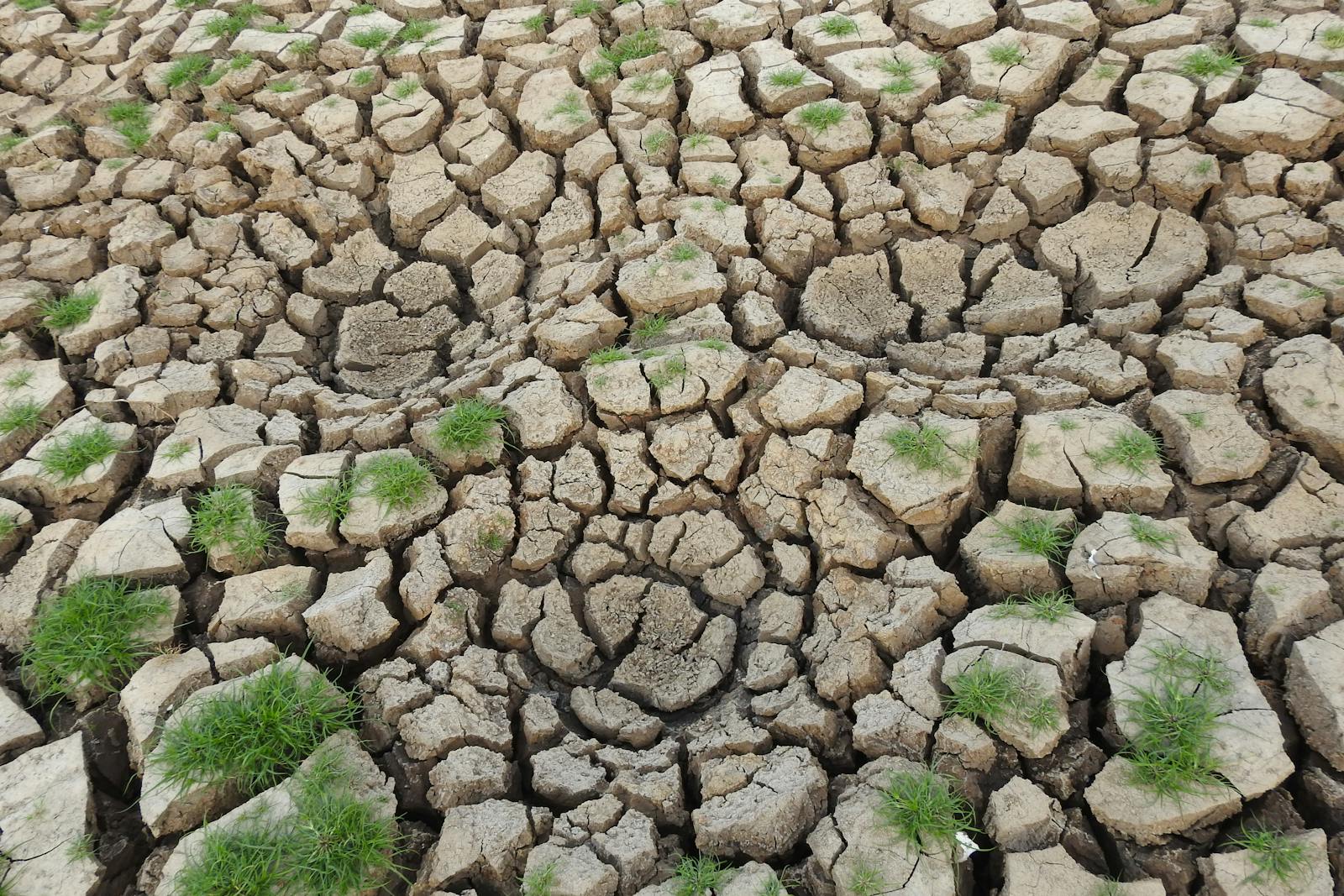
Higher temperatures accelerate the decomposition of organic matter in soil. That means the carbon-rich, water-retentive topsoil that makes the Midwest so productive could degrade faster under Texas-like heat. Research from institutions including Colorado State University has documented measurable declines in soil organic carbon in areas experiencing sustained warming, effectively turning the Midwest's greatest agricultural asset into a wasting resource.
Meanwhile, the intense rainfall events that climate models predict — less frequent but heavier downpours replacing steady, gentle rains — accelerate erosion. The USDA's Natural Resources Conservation Service has estimated that Iowa loses several tons of topsoil per acre per year on average. Under more volatile precipitation, that number could climb substantially.
The Economic Ripple Effects
Land values in the Corn Belt are closely tied to productivity. Prime Iowa farmland currently sells for over $10,000 per acre in many counties, a figure built on the assumption that the land will remain optimally productive for corn and soybeans indefinitely. If those assumptions erode — literally and figuratively — the financial implications cascade through rural communities, banking systems, and commodity markets.
Crop insurance, which the federal government subsidizes to the tune of roughly $9 billion annually, is already strained by increasing weather volatility. The Government Accountability Office has flagged that the Federal Crop Insurance Program has not adequately incorporated forward-looking climate projections into its risk models. In other words, premiums are still largely priced based on historical weather patterns that may no longer apply.
For consumers, the downstream effects touch everything from cereal prices to animal feed costs to the economics of the plant-based food sector. Corn and soy are foundational inputs in an astonishing range of products. When their production becomes less predictable, price volatility follows. Recent modeling of global dietary patterns by 2050 already accounts for major shifts in protein sourcing — and domestic crop instability would only accelerate those trends.
Adaptation Is Happening, But Not Fast Enough
Agricultural researchers are working on heat-tolerant crop varieties, drought-resistant hybrids, and updated planting calendars. Seed companies like Corteva, Bayer, and Syngenta have invested billions in breeding programs aimed at climate resilience. CRISPR gene-editing technology is being applied to develop corn and soybean varieties that can withstand higher temperatures and water stress.
Cover cropping, no-till farming, and other soil health practices are gaining traction among progressive farmers. Recent USDA data has shown significant increases in cover crop acreage in recent years. These practices can build soil organic matter, improve water retention, and buffer against extreme weather — but adoption remains far from universal, with economics and tradition often working against change.
Some Midwestern farmers are already experimenting with crops that would have seemed exotic a generation ago. Hemp, sunflowers, and even wine grapes have made inroads in parts of Missouri and southern Illinois. Water-efficient crops like millet and amaranth, which have deep roots in global food cultures and strong nutritional profiles, are attracting renewed research attention. The growing movement to rank foods by their water cost per gram of protein could further shift which crops receive institutional support and consumer interest.
Still, the gap between where adaptation efforts stand today and where they need to be by 2050 is substantial. Most agricultural planning in the U.S. still operates on five-to-ten-year horizons. The climate is moving on a timeline that demands thinking in decades.
What Conscious Consumers Should Watch
For anyone who pays attention to where their food comes from, the Midwest growing zone shift is a story worth tracking. It connects directly to grocery prices, the viability of plant-based supply chains, and the long-term resilience of the American food system.
The plant-based sector, already navigating a correction era after years of rapid growth, depends heavily on commodity crops like pea protein, soy, and various grains. If domestic production of these inputs becomes more expensive and less reliable, it raises hard questions about sourcing, pricing, and whether the sector can deliver on its promise of being better for the planet while remaining accessible to everyday shoppers.
The USDA is expected to release updated climate risk assessments for major agricultural regions later this year. Several land-grant universities are also publishing new crop suitability maps that incorporate the latest emissions scenarios. These documents won't generate the same attention as a flashy product launch, but they'll shape what American agriculture looks like for the rest of the century.
The Midwest becoming more like Texas by 2050 sounds like a provocation. Based on the data, it's closer to a forecast. And the decisions being made right now — by farmers, policymakers, researchers, and the food industry — will determine whether the transition is managed or chaotic.
The climate has already moved. The question is whether the food system can keep up.
Feature image by Tom Fisk on Pexels
If You Were a Healing Herb, Which Would You Be?
Each herb holds a unique kind of magic — soothing, awakening, grounding, or clarifying.
This 9-question quiz reveals the healing plant that mirrors your energy right now and what it says about your natural rhythm.
✨ Instant results. Deeply insightful.

Adam Kelton
Adam Kelton is a writer and culinary professional with deep experience in luxury food and beverage. He began his career in fine-dining restaurants and boutique hotels, training under seasoned chefs and learning classical European technique, menu development, and service precision. He later managed small kitchen teams, coordinated wine programs, and designed seasonal tasting menus that balanced creativity with consistency.
After more than a decade in hospitality, Adam transitioned into private-chef work and food consulting. His clients have included executives, wellness retreats, and lifestyle brands looking to develop flavor-forward, plant-focused menus. He has also advised on recipe testing, product launches, and brand storytelling for food and beverage startups.
At VegOut, Adam brings this experience to his writing on personal development, entrepreneurship, relationships, and food culture. He connects lessons from the kitchen with principles of growth, discipline, and self-mastery.
Outside of work, Adam enjoys strength training, exploring food scenes around the world, and reading nonfiction about psychology, leadership, and creativity. He believes that excellence in cooking and in life comes from attention to detail, curiosity, and consistent practice.
More Articles by Adam