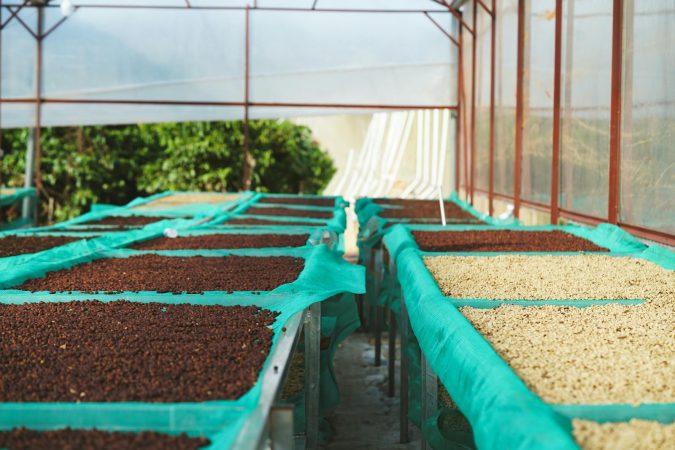
Rising temperatures, erratic rainfall, and shifting pest ranges are squeezing coffee production in traditional growing regions — and the price increases showing up at your local café reflect a structural shift, not a seasonal blip.

Add VegOut to your Google News feed. 
The price of a bag of whole-bean coffee at your local grocery store has climbed roughly 30 percent over the past two years. If you've noticed that your monthly coffee budget is quietly ballooning, you're not imagining things. Behind those higher price tags sits a converging set of climate pressures that are fundamentally reshaping where coffee can grow, how much it costs, and what your cup will taste like in the decades ahead.
A growing body of research now shows that the so-called "coffee belt" — the equatorial band between the Tropics of Cancer and Capricorn where arabica and robusta beans thrive — is shifting in real time. Rising temperatures, erratic rainfall, and more frequent extreme weather events are squeezing production in traditional growing regions while opening new, sometimes unlikely, frontiers for cultivation.
A 600,000-Year-Old Crop Meets a Rapidly Warming World
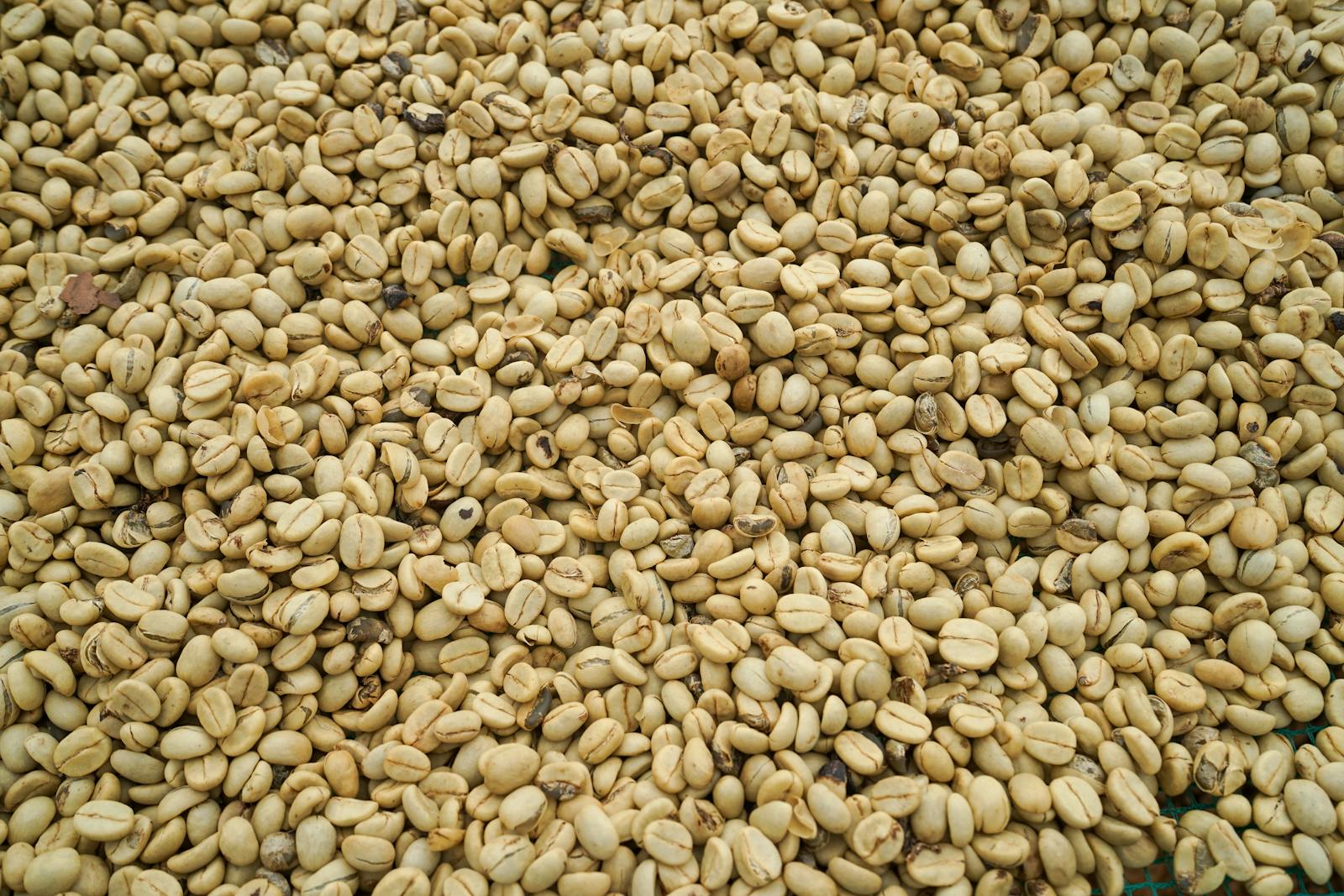
Coffee has been around far longer than most people realize. Recent genetic research reported by Euronews suggests that the arabica species — which accounts for roughly 60 percent of global production — originated from a natural hybridization event approximately 600,000 years ago. That deep evolutionary history means arabica adapted to a remarkably stable climate window: moderate temperatures, consistent rainfall, and high-altitude growing conditions.
The problem is that stable climate windows are becoming increasingly rare. Arabica is particularly finicky. It performs best at temperatures between 18°C and 22°C (64°F to 72°F) and needs well-distributed annual rainfall of around 1,500 to 2,000 millimeters. Even modest deviations can affect bean development, flavor profiles, and overall yield.
Robusta, the hardier cousin used primarily in instant coffee and espresso blends, tolerates warmer conditions better but still has its limits. As average temperatures in key growing regions tick upward, both species face compounding stress.
The Data Behind the Disruption
The scale of the threat is becoming clearer with each new study. Research highlighted by Down To Earth found that global coffee production faces significant threats from overlapping climate hazards, including drought, heat stress, and shifting pest ranges. The study underscored that these aren't hypothetical future risks; they're measurable pressures already affecting current harvests.
Brazil, the world's largest coffee producer, offers a stark case study. The country's Minas Gerais state — responsible for nearly half of Brazil's arabica output — has experienced severe frosts and prolonged droughts in recent years that slashed yields and sent futures prices surging. Vietnam, the top robusta producer, has faced its own climate volatility, with irregular monsoon patterns disrupting harvest cycles.
According to multiple analyses, up to 50 percent of land currently used for coffee cultivation could become unsuitable by 2050 under moderate warming scenarios. Some projections push that figure higher. The International Coffee Organization has flagged supply instability as a structural concern, not a seasonal blip.
New Frontiers, New Challenges
As traditional regions struggle, coffee is migrating. Higher elevations in countries like Colombia, Ethiopia, and Kenya are becoming more attractive as lower-altitude farms overheat. Meanwhile, regions previously considered too cool for commercial production — parts of southern China, Nepal, and even experimental plots in Southern California — are entering the conversation.
This geographic shift creates a cascade of secondary effects. Farmers in established regions who've spent generations perfecting their craft face declining viability. Smallholders in countries like Honduras and Guatemala, many of whom operate on thin margins, are particularly vulnerable. A bad frost or prolonged dry spell can wipe out a family's entire income for the year.
At the same time, new growing regions lack the infrastructure, knowledge base, and processing facilities that decades of specialization have built in places like Colombia's Eje Cafetero. Scaling up takes time, capital, and expertise that can't simply be transplanted overnight.
As VegOut previously reported, the redrawing of the global coffee map also has significant implications for biodiversity. Coffee farms, particularly shade-grown operations, serve as important habitat corridors in tropical regions. When production shifts, those ecosystems shift too — or disappear entirely.
Why Your Morning Ritual Is Getting Pricier
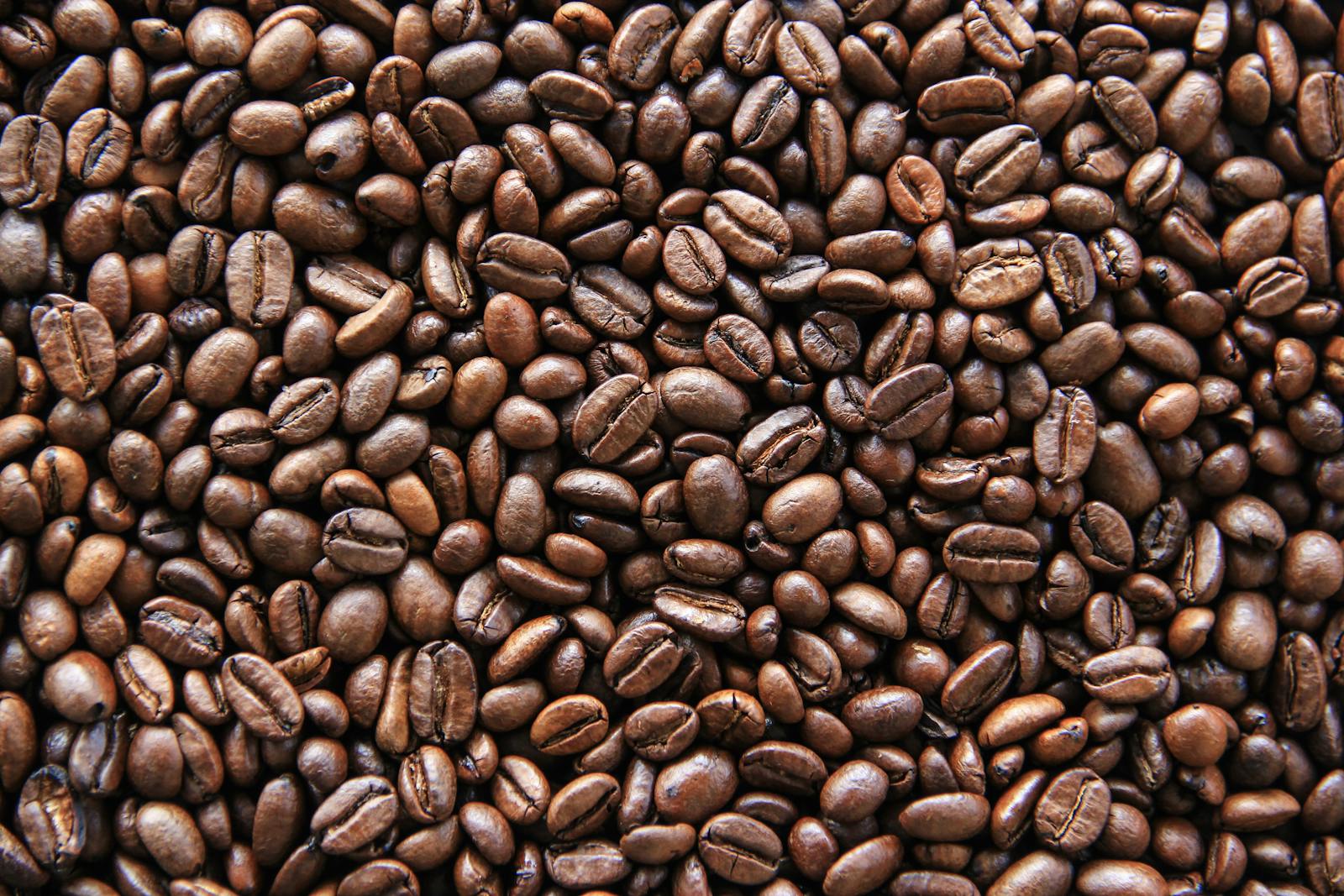
The connection between climate disruption and retail price is more direct than many consumers realize. Coffee is traded as a global commodity, and futures markets respond swiftly to supply shocks. When Brazilian frosts hit in mid-2021, arabica futures spiked to their highest levels in years. They haven't meaningfully retreated since.
Roasters and retailers absorb some of the cost increase, but much of it flows through to consumers. The National Coffee Association reports that the average American drinks just over three cups a day, making even small per-cup price increases add up quickly over a year. Premium single-origin beans — the kind favored by specialty shops and pour-over enthusiasts — have seen even steeper price climbs because they depend on specific microclimates that are disproportionately affected by warming.
Labor dynamics compound the problem. In many producing countries, younger generations are leaving farms for urban employment, creating labor shortages during harvest season. Climate uncertainty makes farming less attractive as a livelihood, accelerating the cycle.
Adaptation Is Underway, But It's a Race Against Time
The coffee industry is responding, though the pace of adaptation varies widely. World Coffee Research, a nonprofit funded by major roasters and importers, is working on developing climate-resilient coffee varieties through selective breeding and genomic research. The organization has identified hybrid varieties that maintain cup quality while tolerating higher temperatures and resisting common diseases like coffee leaf rust, which thrives in warmer conditions.
Agroforestry models — integrating coffee plants with shade trees and other crops — are gaining traction as a strategy to buffer against temperature extremes and improve soil health. These systems also sequester carbon, creating a potential dual benefit. In parts of Central America and East Africa, pilot programs have shown measurable improvements in both yield stability and farmer income under agroforestry management.
Some of the largest companies in the supply chain are investing heavily. Nestlé, which owns Nescafé, has committed over $1 billion to sustainable coffee sourcing initiatives. Starbucks has been distributing climate-resistant seedlings through its Global Farmer Fund. Whether these corporate commitments translate into meaningful resilience for the smallholder farmers who produce roughly 70 percent of the world's coffee remains an open question.
Coffee and the Broader Food Security Picture
Coffee's climate vulnerability sits within a much larger pattern of food system disruption. As we recently covered, researchers have mapped projected dietary shifts for billions of people by mid-century, finding that climate pressures will reshape not just what we grow but what entire populations eat. Coffee, while not a caloric staple, is the primary cash crop for an estimated 125 million people worldwide. Its economic significance in producing countries is immense.
There's a broader lesson here about the interconnectedness of food systems. The same warming trend threatening coffee beans also affects cocoa, vanilla, and other tropical commodities that depend on narrow climate envelopes. When we talk about the future of food, including emerging categories like fermented proteins and precision-grown ingredients, we're really talking about building resilience into a system that has optimized for efficiency at the expense of adaptability.
Some researchers are even exploring lab-grown coffee — using cellular agriculture techniques similar to those being applied to meat production — as a potential hedge against supply instability. Finnish startup Atomo and Seattle-based compound coffee ventures are experimenting with molecular approaches to replicating coffee's flavor profile without the bean. These remain niche efforts for now, but they signal how seriously some in the industry take the long-term supply outlook.
What This Means for Your Cup
For everyday consumers, the near-term picture involves higher prices and potential shifts in the flavor profiles of familiar blends as roasters adjust their sourcing. Single-origin coffees from specific farms or microlots may become scarcer and more expensive as those growing regions face increasing climate stress.
The more interesting long-term question is whether the coffee industry can adapt quickly enough to maintain both supply and quality. The genetic bottleneck of arabica — with its remarkably low genetic diversity compared to most crop species — makes it uniquely vulnerable. Wild coffee relatives in Ethiopia's montane forests hold genetic material that could be crucial for breeding future-proof varieties, but those forests are themselves under threat from deforestation and warming.
For the deliberate and intentional among us, the takeaway may be to appreciate coffee as something less like a commodity and more like what it actually is: a complex agricultural product shaped by geography, climate, and the labor of millions of people, many of whom are navigating existential uncertainty about their livelihoods.
That doesn't mean you need to give up your morning cup. It does mean that the cost of that cup increasingly reflects the true complexity of getting it from a mountain slope in Colombia or a highland farm in Ethiopia to your kitchen counter. Climate change has a way of making the invisible visible. For coffee drinkers, that reckoning is already underway.
Feature image by 1500m Coffee on Pexels