As roughly 366 pubs closed across the UK last year, a wave of Instagram creators — led by accounts like Proper Boozers and London Dead Pubs — is driving real foot traffic to Britain's most characterful independent boozers, proving that a well-filmed pint can be a preservation tool.

Add VegOut to your Google News feed. 
Approximately 366 pubs closed across the UK last year. Each one took with it a particular carpet pattern, a specific arrangement of taps, a bartender who knew regulars by name — the kind of texture that can't be replicated by a chain restaurant or a luxury flat conversion.
But a growing wave of Instagram content creators is fighting back, turning their cameras on Britain's most characterful traditional pubs and generating the kind of attention that's actually translating into foot traffic and revenue for independent establishments on the brink.
The Instagram accounts turning pints into content
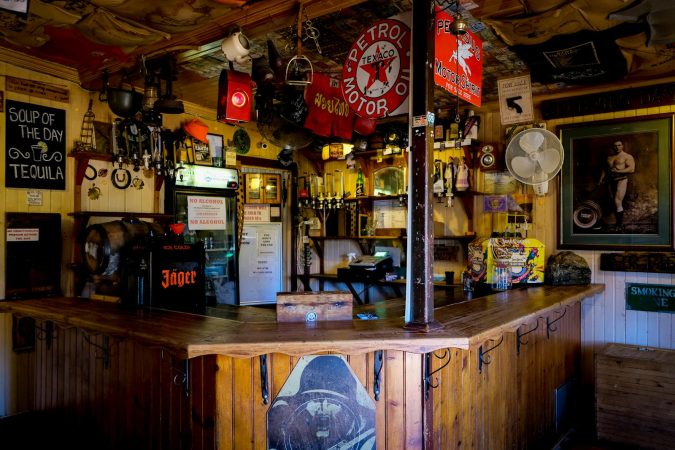
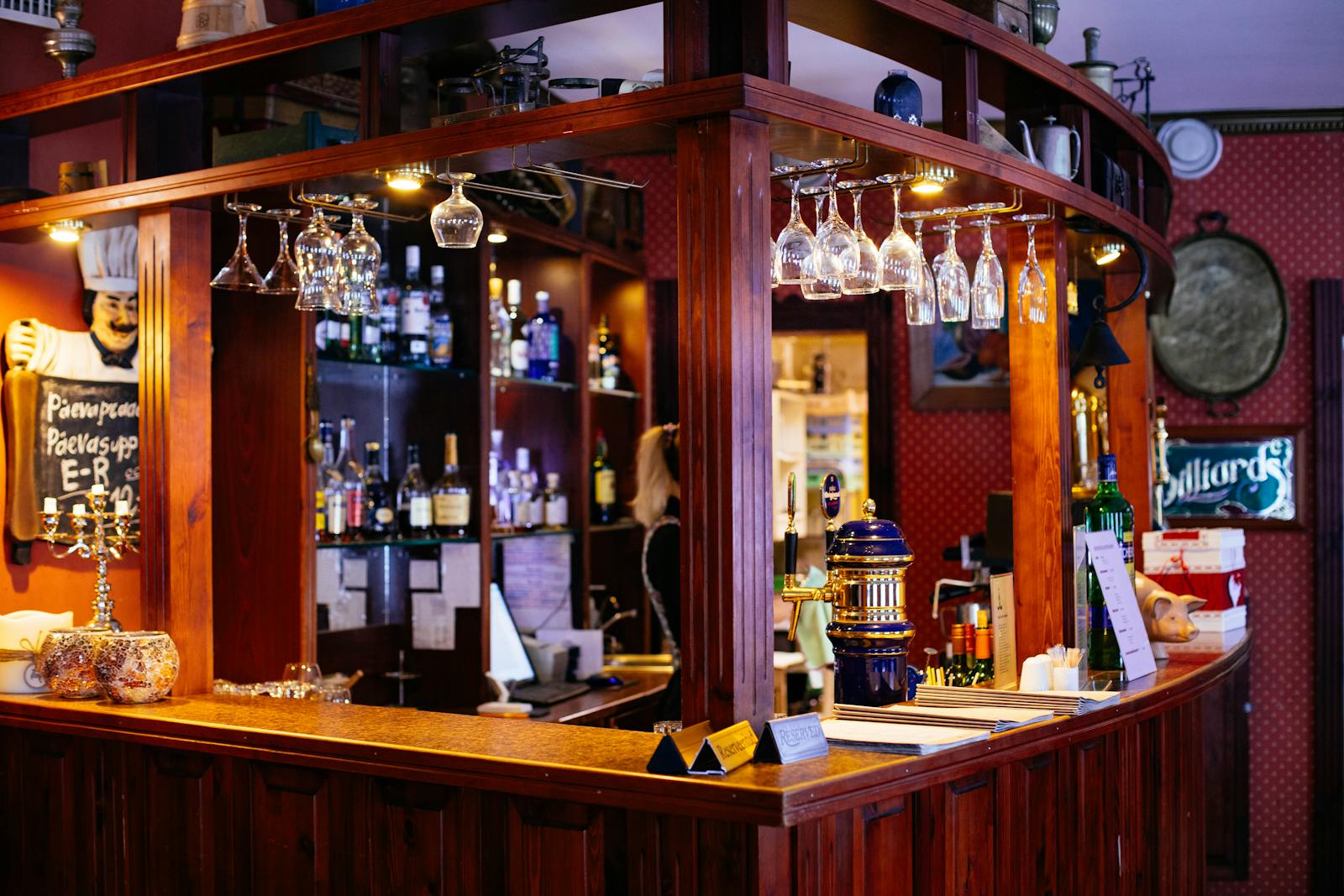
The most prominent among them is Proper Boozers, an account founded by Niall Walsh in 2019 that has surged from 9,000 followers to more than 87,000 since relaunching in 2024. Walsh's approach is straightforward: he walks into independent, character-filled pubs and films what he finds. Patterned carpets. Wood panelling. Locals who've been drinking there for decades. The aesthetic is decidedly anti-slick — and that's the whole point.
His most popular video, shot inside the Palm Tree in east London, has racked up 1.2 million views. For a pub content account. On Instagram. That's not a typo.
"It's better to see a busy pub than a dead set of flats," Walsh told The Guardian.
He's not alone. A whole ecosystem of pub-focused accounts has emerged, according to the same report: London Dead Pubs, London Pub Explorer, London Pub Map, and Those Pub Guys each carve out their own niche within the space. Some focus on history, others on geography, others on the sheer weirdness of Britain's most eccentric watering holes.
Why this matters beyond nostalgia
There's a temptation to frame this as a feel-good retro story — millennials discovering what their grandparents already knew. But the numbers tell a more urgent story. With reports indicating that pubs are closing at a rate of roughly four per day, and rising operational costs squeezing independent operators from every angle, the traditional British pub is facing a genuine existential threat.
These closures aren't just about lost beer sales. Pubs function as informal community centres — particularly in smaller towns and rural areas where they might be the only gathering place for miles. When a pub shuts, the social infrastructure around it frays too. It's the kind of loss that resonates with anyone who's watched physical gathering spaces disappear and wondered what fills the gap.
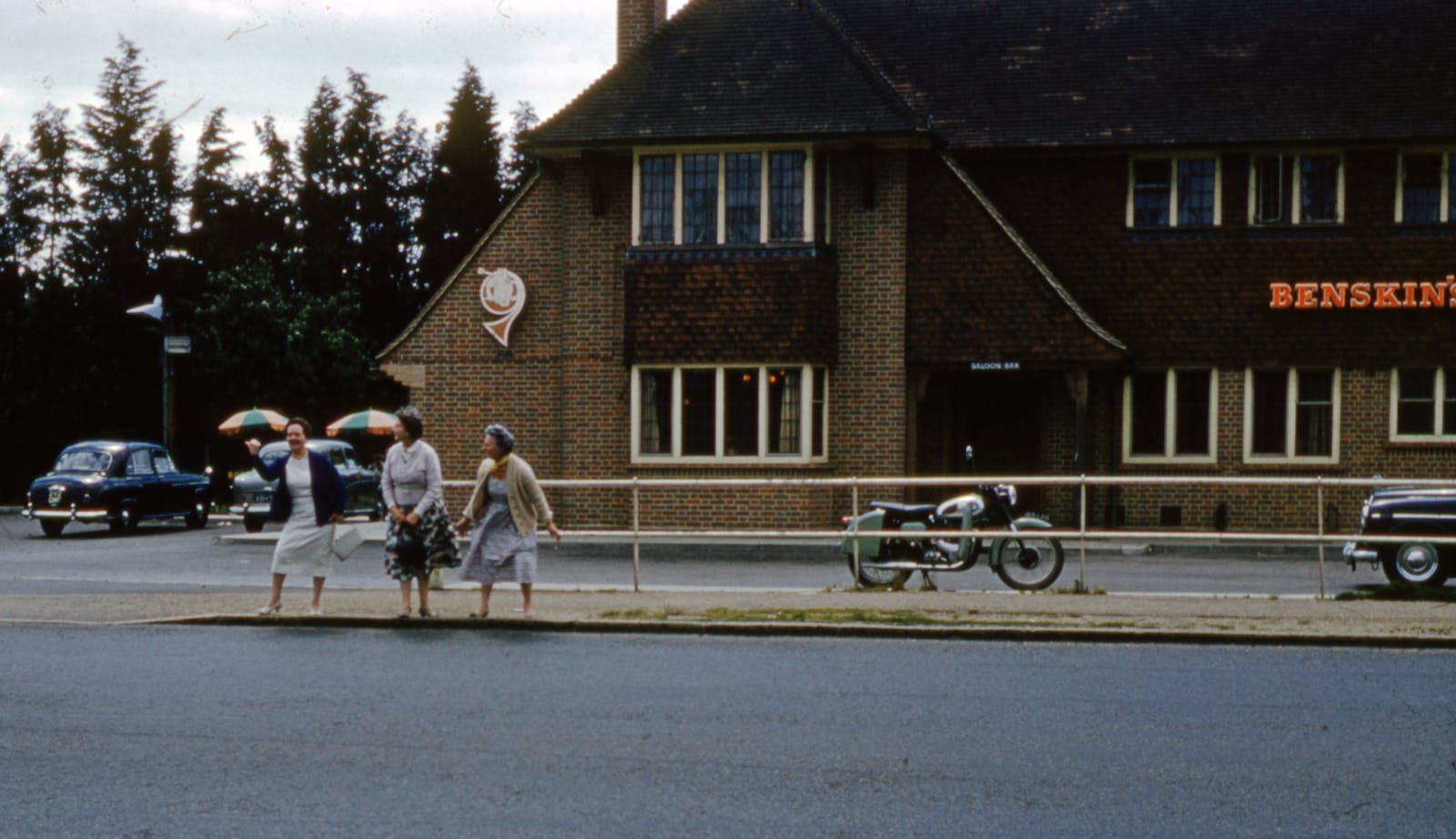
The broader hospitality picture is equally grim. According to recent reporting, nearly 400 bars and restaurants face closure in the UK, with over 1,000 more under threat. Pubs aren't dying in isolation — they're part of a wider contraction in the places where people actually sit across from each other and share time.
Content that converts to customers
What separates this movement from standard influencer marketing is measurable impact on the ground. The Wheatsheaf, a family-run pub in Romford, has credited Proper Boozers and London Dead Pubs with delivering incredible exposure to their business. This isn't vague "brand awareness" — it's people walking through the door because they saw a 30-second clip of someone pulling a pint in a room with genuinely excellent wallpaper.
Jimmy McIntosh, the creator behind London Dead Pubs, focuses specifically on the venues most at risk. "I always find they're the places where the magic really happens, and also the places that are under threat from closure," he told The Guardian.
McIntosh also pushes back against the idea that traditional pubs are somehow dowdy or outdated. "Pubs can and should be very glamorous places," he said. That reframing matters. A huge part of what these accounts do is shift perception — making a 150-year-old corner boozer look as desirable as the latest cocktail bar opening, precisely because of its age and quirks, not despite them.
The anti-chain aesthetic
Part of what fuels the movement is a growing backlash against homogenized hospitality. Proper Boozers has even posted a pointed takedown of BrewDog's Waterloo location, drawing a clear line between the kind of character-rich establishments they champion and the corporate pub experience.
This tracks with broader cultural currents. The same impulse that drives people to shop at independent bookstores or seek out neighbourhood restaurants over delivery apps is at work here. There's a growing appetite for places that feel specific — that belong to a particular street, a particular community, a particular moment in time.
Places like the Calthorpe Arms in central London embody this ethos: home-cooked food, a warm atmosphere, and the kind of chilled vibe that chain pubs spend millions trying (and failing) to manufacture. These are spots where how you treat the staff says everything about you, and where the staff might actually remember your name next week.
Britain's weirdest, highest, and most remote
Then there are the storytellers. Those Pub Guys, another account in the ecosystem, leans into the wild histories and extreme geographies of British pubs. According to their content, the Skirrid Inn in Wales carries a legend that 200 people were hanged there, with rope marks reportedly still visible on a wooden beam. The Old Forge in Inverie is said to be mainland Britain's most remote pub. The Tan Hill Inn in the Yorkshire Dales is reportedly Britain's highest.
These are the kinds of stories that beg to be shared — and on social media, they are. Each account finds its own angle into the same fundamental argument: these places are worth visiting, worth supporting, and worth saving.
What the pub renaissance says about connection
There's something interesting happening beneath the surface here. The pub — as a concept — is essentially an argument for a specific kind of human interaction. It's unstructured. It's open-ended. You don't need a reservation or a plan. You walk in, you order a drink, and whatever happens next is up to the room.
In an era where so much socialising is scheduled, optimised, and mediated through screens, the traditional pub represents something almost radical in its simplicity. Studies of social behaviour suggest that the people who value these kinds of unstructured, depth-oriented interactions operate from a fundamentally different understanding of connection — one that prizes presence over productivity.
That might explain why a generation raised on DMs and group chats is suddenly captivated by footage of a guy walking into a pub with carpeted floors and ordering a pint. The appeal isn't ironic. It's aspirational.
Can Instagram actually save a pub?
The honest answer is: sometimes. A viral video can fill a pub for a weekend, maybe a month. Sustained survival requires regulars, not tourists. But what these accounts are doing at scale is shifting the cultural conversation around traditional pubs from "dying relic" to "underappreciated gem." That shift in narrative has real downstream effects on everything from local planning decisions to consumer spending habits.
Walsh's growth from 9,000 to 87,000 followers in under two years suggests the appetite for this content isn't a blip. The Guardian's reporter noted that their own algorithm is now approximately 90% pub content. When the algorithm starts reflecting a trend, that trend has legs.
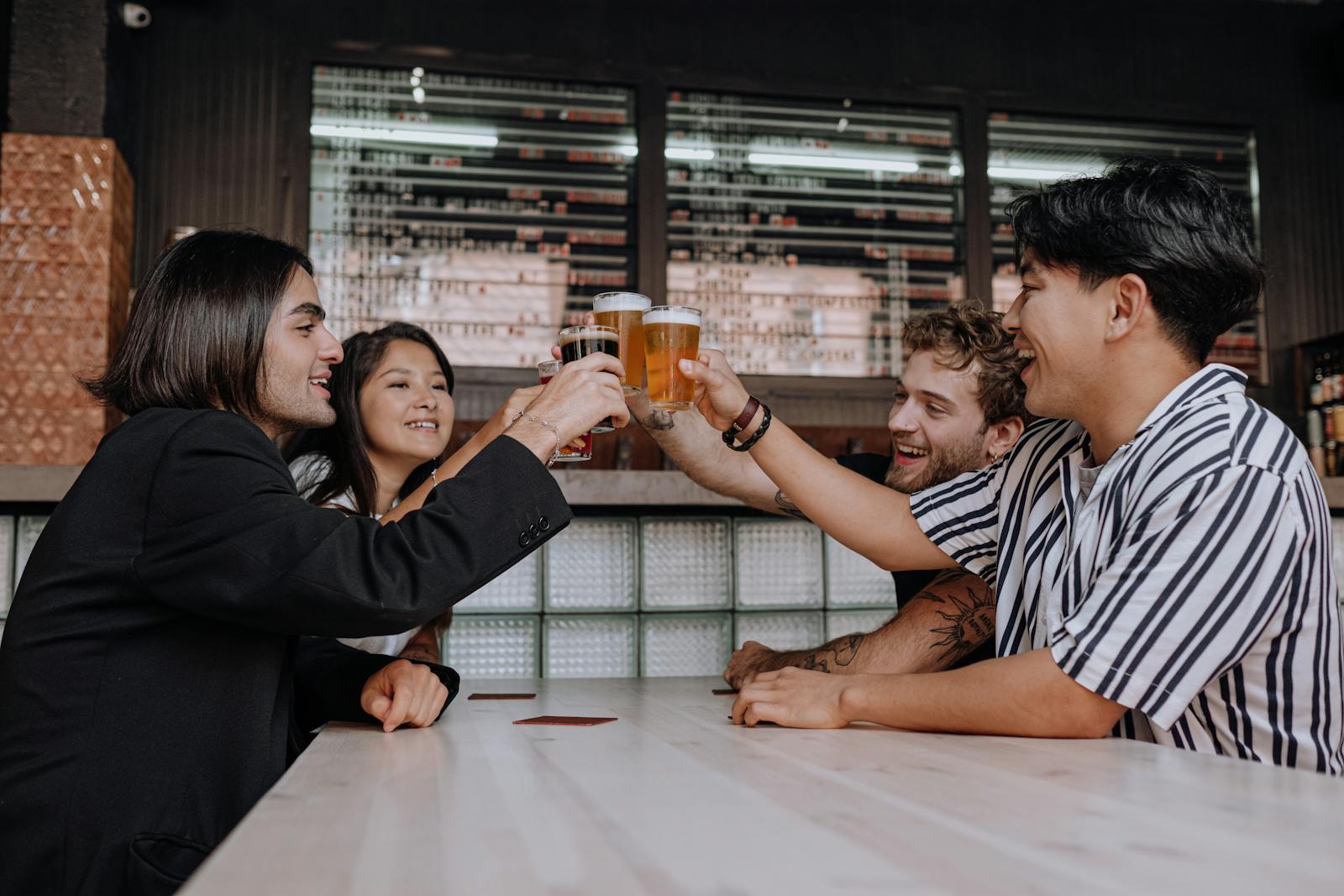
The movement also has a practical secondary effect: it creates a searchable, shareable map of independent pubs worth visiting. For someone who's moved to a new city or is visiting an unfamiliar neighbourhood, these accounts function as a curated guide to the kind of places you'd otherwise walk right past.
The bigger picture
Britain loses a pub, and it loses something harder to quantify than square footage. It loses the Tuesday regulars. The quiz night. The bartender who pours your usual before you've reached the bar. These are the small, repeated gestures that stitch a community together — the kind of details that only make sense in the language of people who've been showing up for years.
The influencers championing these places understand that. They're not selling a product. They're making a case — one Instagram reel at a time — that the patterned carpet, the slightly sticky bar top, and the stranger who nods at you when you walk in are worth preserving.
As McIntosh put it: that's where the magic really happens.
Feature image by Magda Ehlers on Pexels