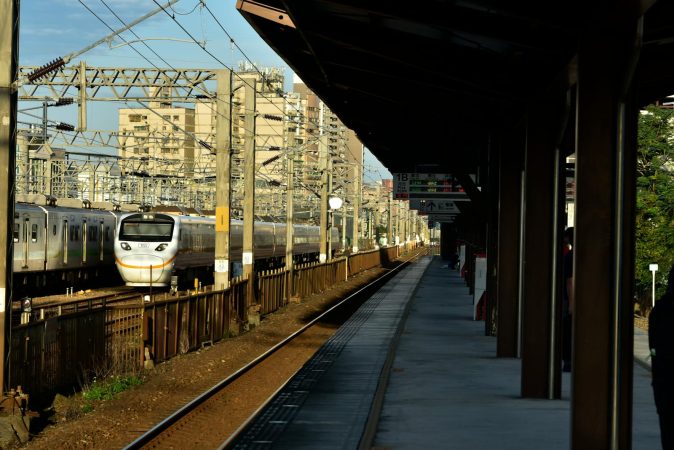
Caltrain's $2.4 billion electrification boosted ridership 60 percent, cut travel times by 23 minutes, and slashed carcinogenic black carbon exposure by 89 percent — proving that upgrading existing rail beats building from scratch.

Add VegOut to your Google News feed. 
Caltrain's ridership has surged significantly since electrification. Weekend ridership more than doubled. Travel times between San Francisco and San Jose dropped by up to 23 minutes. And the secret wasn't some flashy new high-speed rail project or a Silicon Valley moonshot. It was swapping out diesel trains for electric ones on existing track.
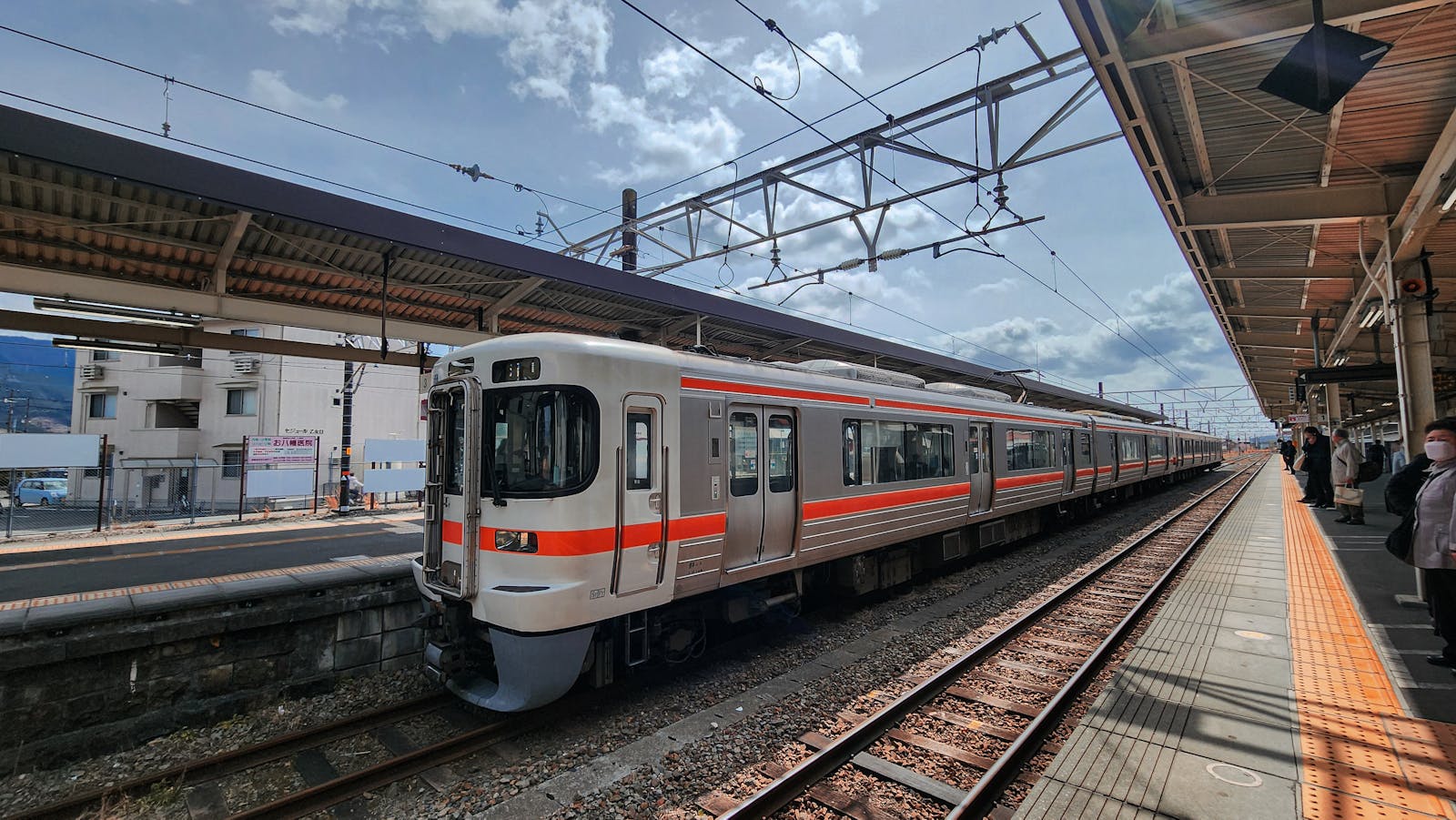
The Bay Area commuter rail agency completed a $2.4 billion electrification of 51 miles of track, replacing its aging diesel fleet with sleek electric trains that accelerate faster, run more frequently, and — this is the part that matters for your lungs — produce dramatically fewer harmful emissions.
The numbers tell a story that transit advocates have been trying to articulate for decades: you don't always need to build new infrastructure from scratch. Sometimes you just need to make what you already have actually good.
The Before Picture Wasn't Pretty
Anyone who rode Caltrain before electrification knows the vibe. Loud, lumbering diesel locomotives. Infrequent service, especially at night. The kind of transit experience that made driving alone in traffic feel like the rational choice.
"Before electrification, coming home at 10 o'clock at night, the trains were once an hour. If you missed the train, that's a very miserable experience," transit advocates told Grist.
That kind of scheduling gap is a dealbreaker for most people. It turns transit from a lifestyle choice into a gamble, and most commuters aren't interested in gambling 60 minutes of their evening on whether they can sprint to a platform in time.
What Changed — And How Fast It Happened
Electric trains accelerate and decelerate significantly faster than their diesel predecessors. That mechanical advantage compounds across every stop on the line, shaving as much as 23 minutes off the roughly 50-mile corridor between San Francisco and San Jose, according to Grist's reporting.
Faster trains also mean more trains. Because electric locomotives can cycle through routes more quickly, Caltrain increased service frequency significantly. More stops, more frequently, with shorter rides. That's the transit trifecta.
The ridership response was immediate and dramatic. Overall ridership has jumped substantially in the year following electrification. Weekend ridership more than doubled — a signal that people aren't just commuting on these trains, they're using them for life. Errands, dinners, day trips.
"This was the first diesel-to-electric transition in a generation that took place on an active rail line, and while it was certainly a complicated process, we proved that it could be done," a Caltrain spokesperson said.
Cleaner Air Inside and Out
The environmental benefits extend beyond tailpipe emissions — or, more accurately, the elimination of them entirely on electrified segments.
Caltrain estimates the shift to electric trains will cut roughly 250,000 metric tons of carbon emissions annually. For context, that's equivalent to taking tens of thousands of cars off Bay Area roads each year.
But the air quality story inside the trains might be even more compelling. A UC Berkeley study found that electric trains expose riders to 89 percent less carcinogenic black carbon compared to the old diesel fleet. The researchers noted that this single infrastructure change achieved what had taken over three decades of clean-air regulation to accomplish in other sectors.
That's a health benefit passengers experience every single ride, whether they think about it or not. You're breathing cleaner air on a faster, quieter train. Hard to argue against that.
The Price Tag (And the Asterisk)
The $2.4 billion project wasn't cheap, and it didn't go smoothly. Caltrain faced significant cost overruns driven by pandemic disruptions, funding delays, and lawsuits, according to Grist. The state of California had to step in with emergency funding to keep Caltrain and other local agencies afloat during the pandemic's ridership collapse.
And Caltrain's ridership, while surging, is still recovering to pre-COVID levels. The return-to-office trajectory will heavily influence whether those numbers keep climbing, and early signs suggest Bay Area workers are returning to offices in greater numbers.
These are real complications, and anyone looking to replicate this model elsewhere should study them carefully. But the core lesson holds: electrifying existing rail corridors produces measurable, immediate improvements in service quality, ridership, and emissions.
A Blueprint, Not a Unicorn
Caltrain's transformation matters beyond the Bay Area because it offers a replicable playbook for dozens of aging diesel commuter rail systems across the country. Transit research draws comparisons to Amtrak's Acela corridor, where investments in speed and frequency have dramatically boosted the train's market share on the New York-to-D.C. route over the past two decades.
The pattern is consistent: make trains faster and more frequent, and people ride them. It sounds obvious, but American transit planning has historically focused on building brand-new systems while letting existing ones deteriorate.
"States and localities need to be stepping up to do more of the work themselves," transit researchers have noted. That message carries extra weight as federal infrastructure funding faces an uncertain future.
Why This Matters for Conscious Living
Transportation accounts for the largest share of greenhouse gas emissions in the United States. And while individual choices like driving an EV or biking to work are meaningful, systemic changes to public transit move the needle at a completely different scale.
A quarter-million metric tons of avoided carbon emissions per year from a single 51-mile rail corridor. That's the kind of impact that makes lifestyle-level choices feel like rounding errors.
This is also about quality of life in a very direct sense. Shorter commutes. Cleaner air. More time for the things that actually matter — whether that's cooking dinner, seeing friends, or just not white-knuckling it through Bay Area traffic at 6 p.m. on a Friday. We've written before about how daily stress accumulates in ways we barely notice, and reclaiming 23 minutes of commute time — every single day — is the kind of small structural change that compounds into something huge.
The Caltrain story won't make anyone's social media feed pop the way a splashy high-speed rail rendering does. Electric commuter trains don't have the same PR team as bullet trains. But the results speak in a language that's hard to argue with: substantially increased ridership, 89 percent less carcinogenic particulate exposure, hundreds of thousands of tons of carbon kept out of the atmosphere.
Sometimes progress looks less like a revolution and more like plugging in what's already there.
Feature image by ShulinMark Lee on Pexels