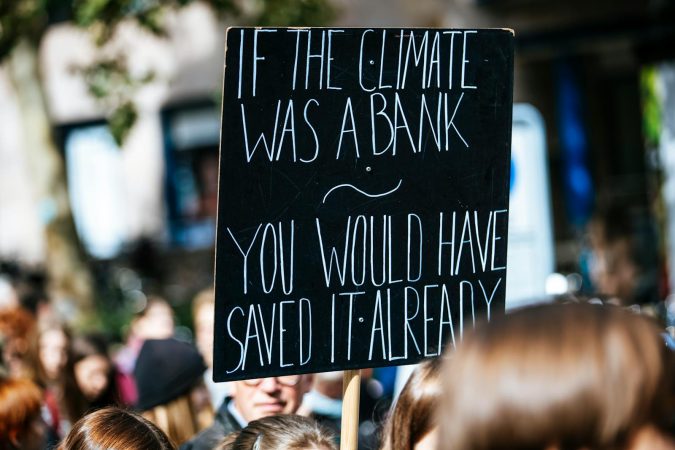
The Trump administration has repealed foundational climate protections and dismantled the country's premier atmospheric research center — and the political opposition, tech billionaires, and climate movement have gone strangely quiet despite overwhelming public support for clean energy.

Add VegOut to your Google News feed. 
The U.S. government has reportedly moved to repeal the foundational legal finding that greenhouse gas pollution endangers public health, dismantled the country's premier climate research center, and banned its own energy department from using the words "climate change." The response from the political opposition, the tech elite, and the broader climate movement? Mostly crickets.
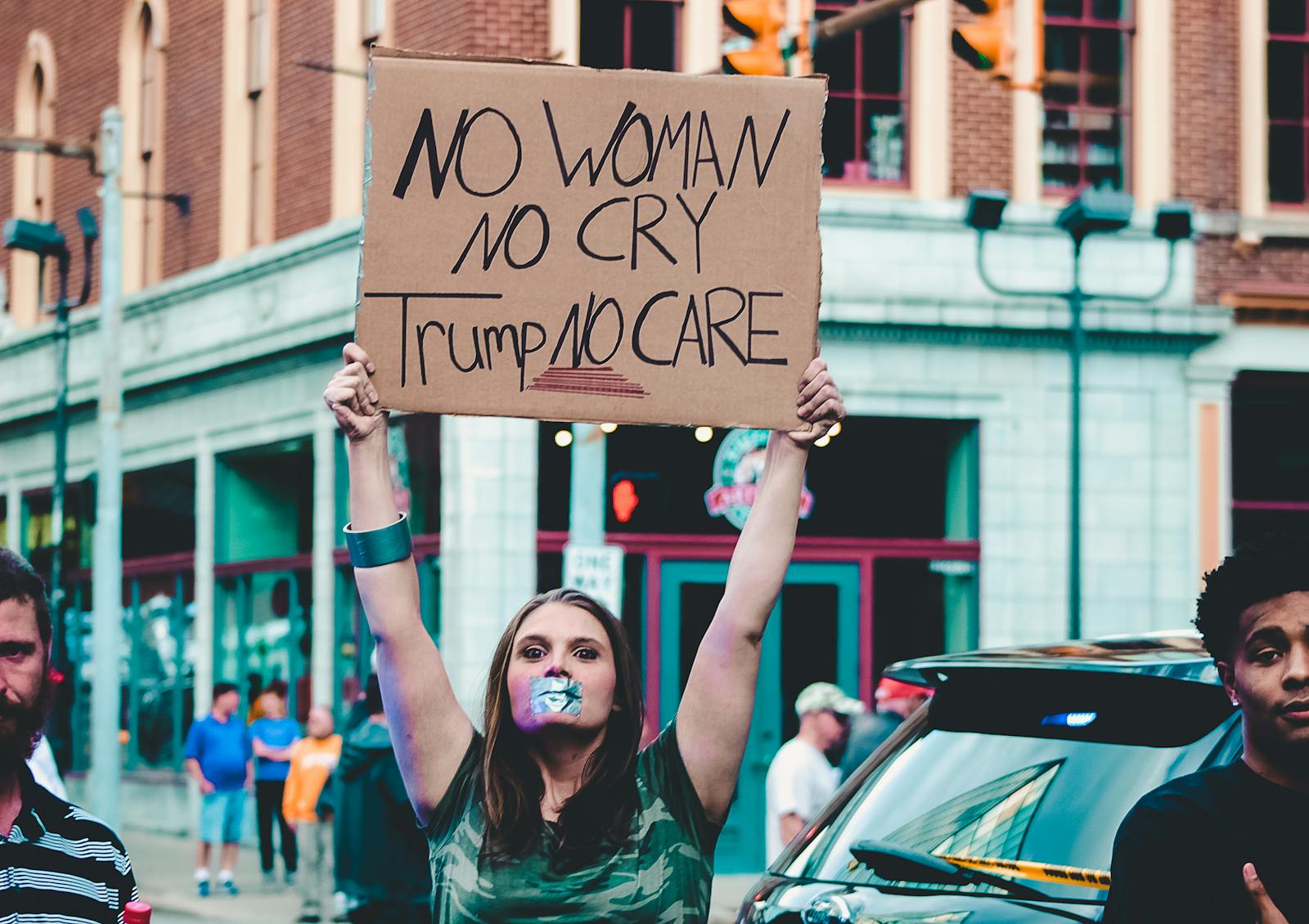
A detailed analysis in The Guardian lays out the scale of what's happening — and the strange quiet surrounding it. The Trump administration's rollback of environmental protections has been aggressive and systematic, touching research institutions, regulatory frameworks, and even the language federal agencies are permitted to use. And yet the resistance that many expected has barely materialized.
"The Trump administration just marched in and destroyed the crown jewel of climate science in the United States. And nothing happened. There wasn't even a whimper," said Robert Brulle, a professor at Brown University, quoted by The Guardian.
What exactly got dismantled?
The moves have been sweeping. The administration reportedly moved to repeal the 2009 endangerment finding — the EPA determination, established under the Obama administration, that greenhouse gas pollution poses a threat to public health. That finding was the legal backbone for federal climate regulation. Without it, the government's authority to regulate emissions is fundamentally undermined.
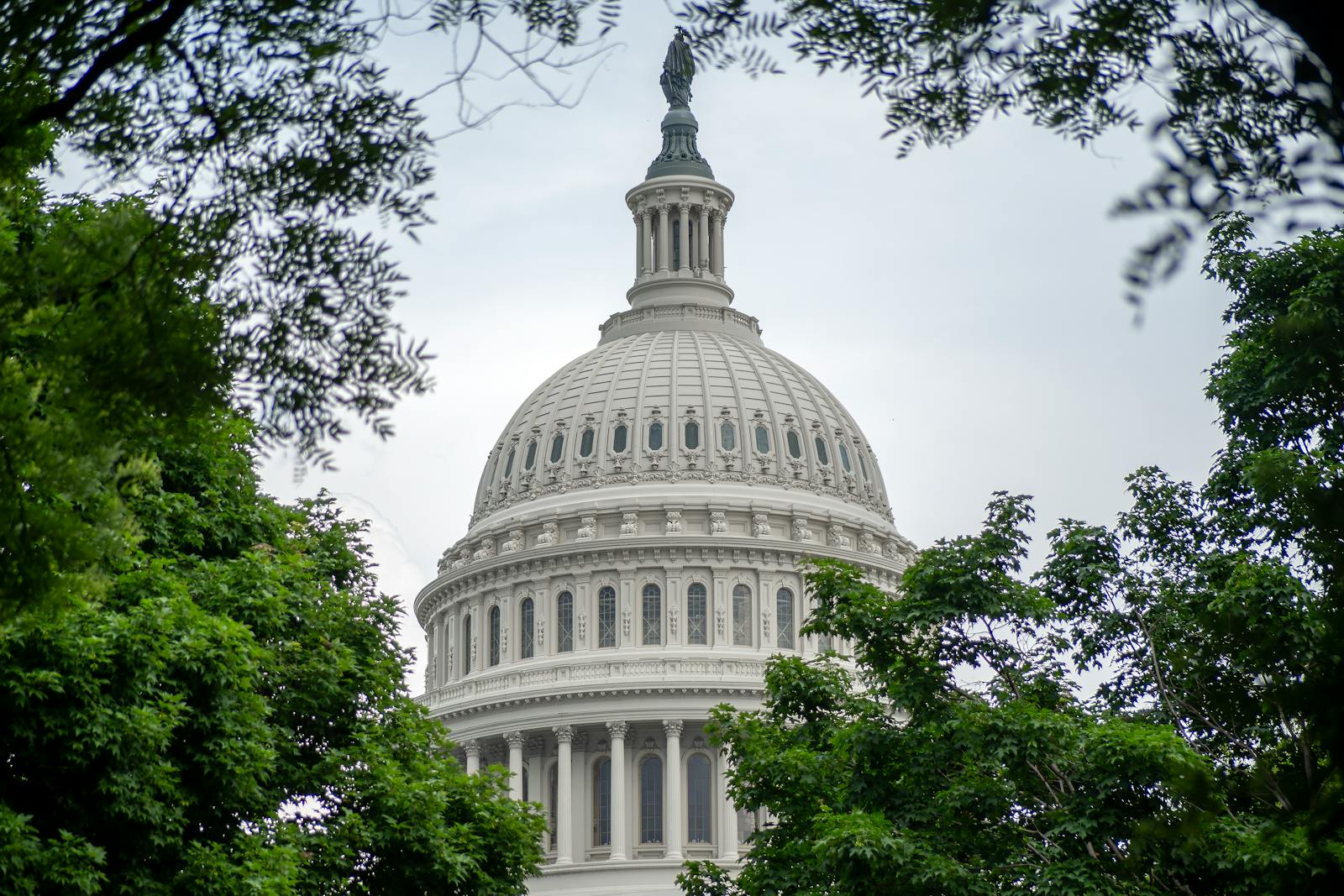
Then there's the National Center for Atmospheric Research (NCAR). According to Scientific American, the administration moved to dismantle the Boulder, Colorado-based institution, long considered the crown jewel of U.S. earth science research. Scientists have decried the decision, warning it jettisons key climate science projects with global significance.
The Department of Energy, under Secretary Chris Wright, reportedly all but banned its key renewable energy department from using terms like "climate change," "green," and "sustainability." When a government agency can't say the words, it can't shape the conversation — or the policy.
These aren't isolated actions. They're part of a long line of regulatory rollbacks targeting clean air protections and renewable energy mandates.
So where is everybody?
This is the part that's genuinely confusing. Public opinion hasn't shifted. Polling has consistently shown strong public support for prioritizing clean energy and climate action, with large majorities of Americans and people worldwide backing environmental protections.
Those numbers aren't small. They're supermajorities. And yet the political class has largely gone quiet.
Democrats have reportedly downplayed climate messaging in favor of affordability-focused rhetoric. Climate activists haven't mounted the kind of visible, sustained opposition that previous rollbacks triggered. Major media coverage has been comparatively muted. Even at global forums like Davos, world leaders have apparently avoided the topic, wary of the political polarization that now surrounds it.
The silence extends to Silicon Valley. Tech moguls who once positioned themselves as climate champions — Jeff Bezos and Bill Gates among them — have shifted priorities toward AI, according to The Guardian. The energy demands of AI-powered data centers have reportedly led some to embrace fossil fuel infrastructure rather than fight it. Gates has reportedly published statements downplaying the severity of climate risks, and reporting suggests his foundation has provided funding to organizations that take skeptical positions on climate action urgency.
When the billionaires who were supposed to fund the clean energy transition start hedging their bets, the movement loses more than money. It loses narrative credibility.
The people celebrating
Not everyone is quiet. Marc Morano, a longtime climate skeptic tracked by DeSmog, told The Guardian: "In my 26 years of being focused on climate, I've never seen anything like this. Trump is gutting everything they ever stood for."
Groups like the Heartland Institute have spent decades pushing back against climate regulation. For them, this moment represents a generational victory. The lack of organized opposition only amplifies that perception.
A credibility crisis — not a popularity crisis
Here's the strange math: climate action is popular, but the climate movement is struggling. The public broadly supports clean energy and environmental protection. The institutional infrastructure to fight for those things — in government, in advocacy, in media — appears to have lost its footing.
Brulle, the Brown University professor, didn't mince words in his assessment: "I think the climate movement in the United States has failed. It has flat failed, and that means we need to rebuild this movement in a completely different manner."
That's a striking admission from someone inside the movement. And it raises a question worth sitting with: if you have broad public support but can't translate it into political resistance during the most consequential environmental policy shift in decades, what exactly went wrong?
Why this matters for conscious living
Environmental policy might feel abstract — regulatory findings and research centers and federal terminology bans don't show up in your grocery cart or your morning routine. But they shape the world those routines exist in.
The endangerment finding wasn't just a bureaucratic checkbox. It was the legal basis for regulating the emissions that affect air quality, food systems, water access, and public health — the stuff that hits hardest in lower-income communities and communities of color. When those protections disappear, the effects don't distribute evenly. (The same dynamics show up in stories like Syngenta's paraquat controversy, where corporate decisions and regulatory gaps carry deeply personal health consequences.)
NCAR's research didn't just serve climate modelers. It supported weather forecasting, wildfire prediction, and agricultural planning — practical tools that millions of people rely on, whether they identify as environmentalists or not.
This is where the "impact over identity" lens becomes useful. You don't have to be an activist to care about whether your government funds weather research. You don't need a specific political label to notice that strong public support for clean energy exists, and that priority is being actively reversed.
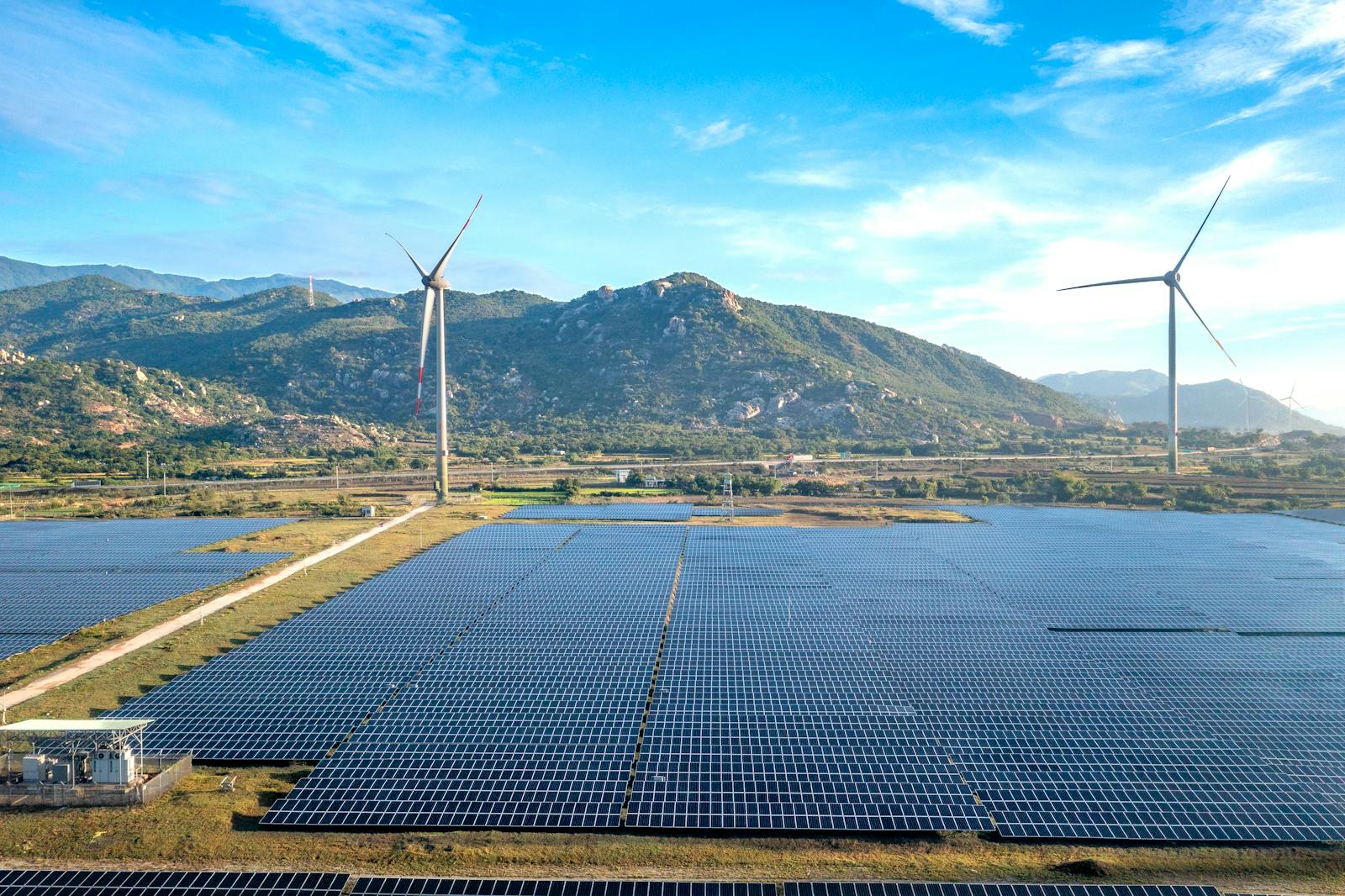
What rebuilding might look like
If Brulle is right that the climate movement needs fundamental reconstruction, what does that actually mean?
One reading: the old playbook — celebrity endorsements, tech billionaire funding, insider lobbying — depended on allies who've now walked away or gone silent. A rebuilt movement would need to be less reliant on those power centers and more rooted in the broad, durable public support that polling consistently shows.
Another reading: climate messaging got tangled up in identity politics in ways that made it easy to dismiss. When "climate" becomes a tribal marker rather than a shared practical concern, politicians can duck the issue without consequence — even when their constituents actually care about it.
The parallel to food systems is hard to ignore. Plant-based eating went through a similar cycle — heavy on identity, light on accessibility, and ultimately vulnerable to backlash when the cultural winds shifted. The companies and advocates who've been more durable are the ones who focused on taste, price, and convenience rather than moral positioning. Climate advocacy may need the same kind of reset.
The gap between caring and acting
There's something uncomfortable about a situation where widespread public support for climate action exists, the most significant rollback in environmental protection in modern U.S. history is underway, and the dominant response is… a shrug.
It doesn't mean people stopped caring. It likely means the structures that were supposed to channel that care into resistance — political parties, advocacy organizations, media institutions — are either broken, distracted, or afraid of the political cost.
That's a systems failure, not a values failure. And systems can be rebuilt. But only if enough people notice that they've broken down in the first place.
Right now, noticing seems to be the hardest part.
Feature image by Markus Spiske on Pexels
If You Were a Healing Herb, Which Would You Be?
Each herb holds a unique kind of magic — soothing, awakening, grounding, or clarifying.
This 9-question quiz reveals the healing plant that mirrors your energy right now and what it says about your natural rhythm.
✨ Instant results. Deeply insightful.

Jordan Cooper
Jordan Cooper is a pop-culture writer and vegan-snack reviewer with roots in music blogging. Known for approachable, insightful prose, Jordan connects modern trends—from K-pop choreography to kombucha fermentation—with thoughtful food commentary. In his downtime, he enjoys photography, experimenting with fermentation recipes, and discovering new indie music playlists.
More Articles by Jordan