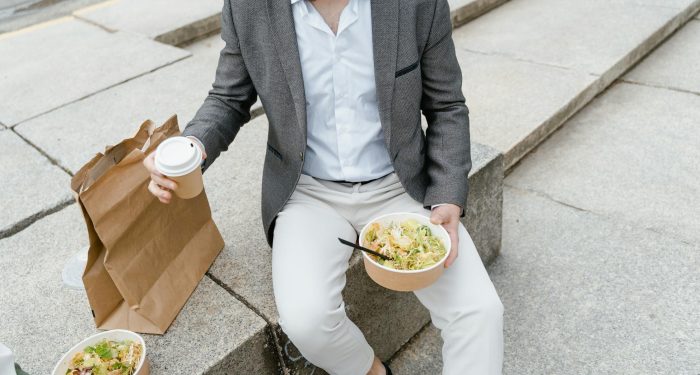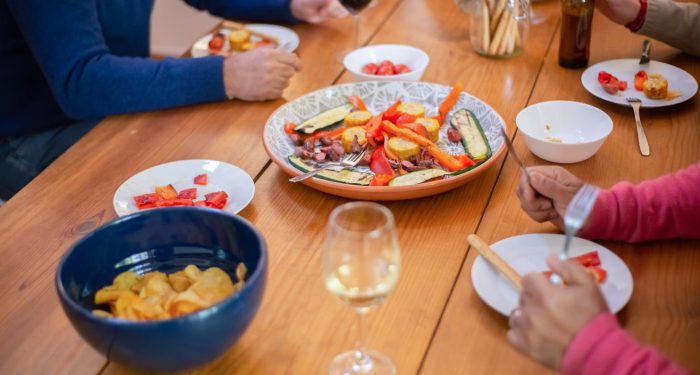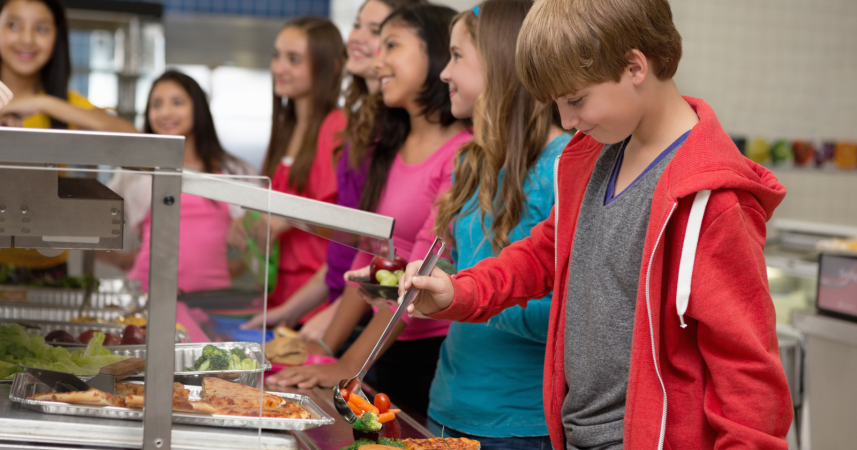
While parents debate screen time and homework loads, something unexpected is happening in the lunch line.

Add VegOut to your Google News feed. 
Something interesting is brewing in American school cafeterias. While most education debates focus on test scores and teacher pay, a quieter revolution is unfolding between the pizza station and the salad bar.
Schools from Los Angeles to New York City are rolling out plant-based menu options, and the results are challenging a lot of assumptions about what kids will actually eat.
The shift started gaining momentum over the past few years, but 2024 and 2025 have seen an acceleration that caught even advocates off guard. Districts aren't just adding a sad veggie burger to check a box.
They're rethinking entire menus, partnering with food service companies, and tracking data on what students actually choose. The numbers coming back tell a story that might surprise skeptics and supporters alike.
The numbers behind the trays
Let's talk data. According to the USDA's Child Nutrition Programs, schools serve nearly 30 million lunches daily. Even small percentage shifts in what lands on those trays represent massive changes in food consumption patterns.
Several large districts now report that plant-based options account for 15 to 25 percent of lunch selections when offered alongside traditional choices.
New York City's public schools, the largest district in the country, made headlines by implementing Vegan Fridays in 2022. Early resistance from parents and students has largely faded.
Recent internal surveys show participation rates holding steady, with some schools reporting increased uptake over time. The key insight: familiarity breeds acceptance.
Why schools are making the switch
Budget pressures are part of the story, but not in the way you might expect. Plant-based proteins like beans, lentils, and tofu can cost significantly less than meat when purchased at institutional scale. For districts watching every dollar, the math starts making sense quickly.
Environmental commitments are playing a role too. Many school boards have adopted climate action plans, and food service represents a tangible area where they can show progress.
Research from the World Resources Institute shows that shifting toward plant-rich diets in institutions can meaningfully reduce carbon footprints without requiring individual behavior change from families at home.
Health considerations round out the picture. Childhood obesity rates remain stubbornly high, and nutrition directors are looking for ways to increase vegetable consumption without triggering the automatic rejection that comes with anything labeled "healthy."
What students are actually choosing
Here's where behavioral science gets interesting. Kids aren't choosing plant-based options because they care about animal welfare or climate change. They're choosing them because the food tastes good and their friends are eating it too. Social proof turns out to be the most powerful ingredient in any school lunch program.
Districts seeing the highest adoption rates share a common strategy: they don't segregate plant-based items into a separate "vegetarian station."
Instead, they integrate options throughout the line. A black bean taco sits next to the beef version. Plant-based chicken nuggets share space with traditional ones. When the choice feels normal rather than alternative, resistance drops dramatically.
Taste has improved too. Food service companies have invested heavily in developing products specifically for the K-12 market. These aren't the rubbery veggie patties of decades past.
The pushback and how districts are responding
Not everyone is celebrating. Some parent groups have voiced concerns about protein adequacy, processed ingredients in meat alternatives, and what they see as ideological overreach by school administrators. These concerns aren't unreasonable, and smart districts are addressing them head-on.
Transparency has become the standard response. Many schools now publish detailed nutritional information for all menu items and hold open forums where parents can ask questions.
Some districts have invited skeptical parents to taste-testing events, letting them try the food before their kids do. The approach works because it treats concerns as legitimate rather than dismissing them.
The processed food question is trickier. Many plant-based products do contain more ingredients than a simple chicken breast. Districts are responding by emphasizing whole food options like bean-based dishes alongside the more processed alternatives.
What this means for the future
The school cafeteria has always been a reflection of broader cultural attitudes about food. What happens in those lunch lines today shapes the eating habits of the next generation. Kids who grow up seeing plant-based options as normal, accessible, and tasty carry those associations into adulthood.
The data suggests we're watching a genuine shift rather than a passing trend. As more districts share successful implementation strategies, others are following.
The Healthy School Food Coalition reports a significant increase in inquiries from school nutrition directors looking to expand plant-based offerings over the past year.
Whether you're vegan, plant-curious, or firmly committed to your current eating habits, this trend matters. It represents one of the largest-scale experiments in shifting food culture we've ever seen. And so far, the results suggest that when you make the better choice the easier choice, people often take it.
If You Were a Healing Herb, Which Would You Be?
Each herb holds a unique kind of magic — soothing, awakening, grounding, or clarifying.
This 9-question quiz reveals the healing plant that mirrors your energy right now and what it says about your natural rhythm.
✨ Instant results. Deeply insightful.

Jordan Cooper
Jordan Cooper is a pop-culture writer and vegan-snack reviewer with roots in music blogging. Known for approachable, insightful prose, Jordan connects modern trends—from K-pop choreography to kombucha fermentation—with thoughtful food commentary. In his downtime, he enjoys photography, experimenting with fermentation recipes, and discovering new indie music playlists.
More Articles by Jordan