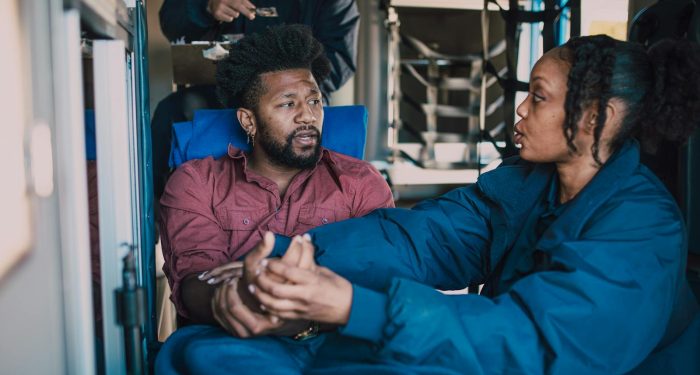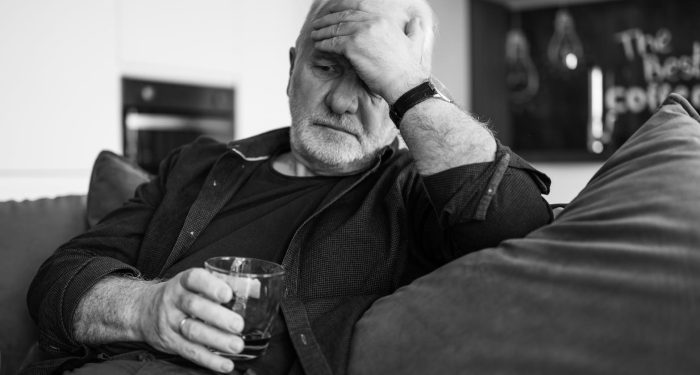
It turns out most men don’t fit the toxic mold. They’re far more emotionally capable than stereotypes suggest.

Add VegOut to your Google News feed. 
The term "toxic masculinity" has dominated headlines and social media for years, often framing masculinity as inherently problematic. Recent research from the University of Auckland, however, tells a vastly different story.
According to a large-scale study published in Psychology of Men & Masculinities, nearly 90 percent of men exhibit healthy masculine traits, with only a small minority displaying characteristics that could be considered harmful.
The study analyzed data from over 15,000 heterosexual men in New Zealand, ages 18 to 99, making it one of the most comprehensive examinations of masculinity in recent years. This research challenges the widespread narrative that masculinity itself is toxic and suggests the need for more balanced conversations about men's mental health and identity.
Breaking down the research
Led by Deborah Hill Cone from the University of Auckland, the research team examined eight specific markers potentially associated with toxic masculinity: gender identity centrality, sexual prejudice, disagreeableness, narcissism, hostile sexism, benevolent sexism, opposition to domestic violence prevention initiatives, and social dominance orientation.
Using sophisticated statistical modeling, researchers identified five distinct groups among the male participants. The largest group, representing 35.4 percent of men, showed low values across all eight indicators. Two additional groups, comprising 27.2 percent and 26.6 percent respectively, demonstrated low to moderate values.
Only two groups exhibited concerning levels: the "Benevolent Toxic" group (7.6 percent) scored high on benevolent sexism and sexual prejudice, while the "Hostile Toxic" group (3.2 percent) displayed the highest values on hostile sexism, aggression, and social dominance. Combined, these groups represented just 10.8 percent of the sample.
The hidden consequences of masculine stereotypes
The misconception that masculinity is inherently toxic has real-world consequences for men's mental health. Research shows that men face disproportionate mental health challenges: they account for approximately 75 percent of suicide deaths in many Western countries and are significantly less likely than women to seek professional help for emotional problems.
Part of this reluctance stems from societal expectations about emotional expression. A recent study from the University of Essex found that while toxic masculinity itself does not directly prevent men from seeking help, it fosters restrictive emotionality, which creates barriers to accessing mental health services. Men who believe they should conceal their emotions are significantly less likely to reach out to professionals, friends, or intimate partners when struggling.
This creates what researchers call a "vicious cycle" where mental health issues remain unaddressed and often worsen over time. Traditional masculinity norms emphasizing toughness, independence, and self-reliance can make it difficult for men to acknowledge vulnerability or admit they need support. Yet the Auckland study reveals these harmful beliefs represent a minority view, not the dominant male perspective.
Redefining healthy masculinity
The findings suggest that most men already embody what experts consider healthy masculinity: the ability to express vulnerability, engage in open communication, maintain emotional connections, and seek professional help when needed without feeling emasculated.
According to professor Samantha Rosenthal of Brown University's School of Public Health, expanding definitions of masculinity to include these qualities creates healthier outcomes for everyone. When men feel permitted to be emotionally expressive and seek support, rates of substance abuse, reckless behavior, and untreated mental health conditions decline.
The World Health Organization has identified harmful masculinity norms as a serious public health concern, but the Auckland research indicates these norms affect a relatively small segment of the male population. The challenge lies in addressing the needs of the 10.8 percent exhibiting toxic traits while simultaneously supporting the vast majority of men who already demonstrate healthy masculine characteristics.
Importantly, the research identified two distinct forms of problematic masculinity: hostile and benevolent. Hostile toxic masculinity involves overtly aggressive, domineering attitudes and opposition to gender equality initiatives. Benevolent toxic masculinity, while less overtly aggressive, still reinforces stereotypical gender roles and prejudices. This distinction matters for developing targeted interventions and support programs.
The Auckland study offers a corrective to years of broad generalizations about men and masculinity. Rather than painting all men with the same brush, the research demonstrates that harmful masculine attitudes exist on a spectrum and affect only a small minority. This finding should reshape how we discuss men's mental health, moving away from blanket condemnations toward nuanced approaches that support positive masculine traits while addressing genuinely problematic behaviors.
For men struggling with mental health issues, this research sends an important message: seeking help, expressing emotions, and acknowledging vulnerability are not signs of weakness but characteristics shared by the overwhelming majority of healthy men. The myth of universal toxic masculinity has been debunked. The reality is far more optimistic.
What’s Your Plant-Powered Archetype?
Ever wonder what your everyday habits say about your deeper purpose—and how they ripple out to impact the planet?
This 90-second quiz reveals the plant-powered role you’re here to play, and the tiny shift that makes it even more powerful.
12 fun questions. Instant results. Surprisingly accurate.