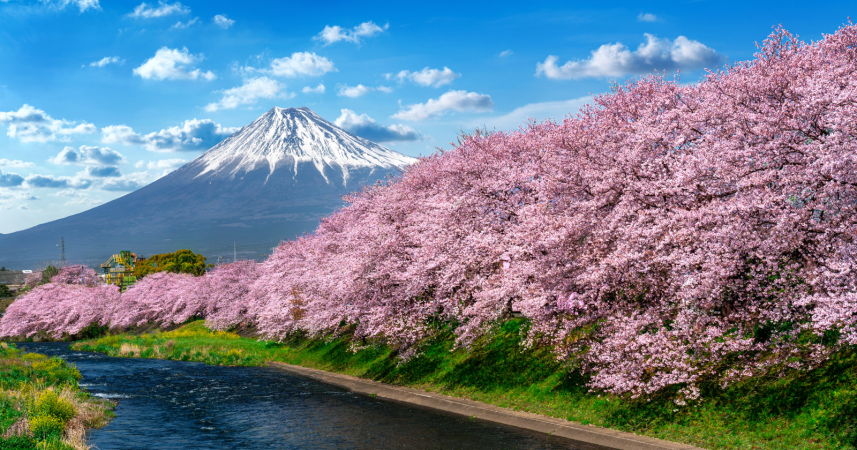
This spring, Japan’s sakura season aligns with a rare currency dip, turning a bucket-list trip into a budget-friendly reality.

Add VegOut to your Google News feed. 
For travelers dreaming of witnessing Japan's legendary cherry blossoms, 2026 presents a financial sweet spot that hasn't existed in decades.
The Japanese yen continues trading at historically weak levels against major currencies, with the exchange rate hovering around 158 yen per US dollar as of January 2026. This represents a striking contrast to pre-pandemic rates, when one dollar bought approximately 100-119 yen, effectively giving international visitors roughly 35% more purchasing power than they had five years ago.
The currency dynamic stems from a fundamental divergence in monetary policy between Japan and other developed economies.
While the US Federal Reserve and other central banks raised interest rates aggressively to combat inflation, the Bank of Japan maintained its ultra-low interest rate policy, keeping rates between zero and 0.1%.
This gap makes yen-denominated assets less attractive to international investors, who sell yen to pursue higher returns in dollar or euro markets. The result creates unprecedented value for anyone planning a spring journey to witness the sakura in full bloom.
Cherry blossom forecast and timing
The 2026 cherry blossom season follows typical patterns, with blooms progressing northward from late March through early May.
According to forecasts from the Japan Meteorological Corporation, Tokyo and Kochi will likely see first blooms around late March, with full bloom arriving approximately one week later in early April.
Kyoto, Osaka, and other central Honshu locations typically peak during the first two weeks of April, while northern regions like Hokkaido won't reach full bloom until late April or early May.
Unlike some recent years when temperature fluctuations pushed blooms significantly earlier or later than average, 2026 appears poised for a relatively standard timeline. This predictability benefits travelers booking months in advance, reducing the gamble inherent in planning around a natural phenomenon.
Popular viewing locations span the archipelago, from Tokyo's Ueno Park and Nakameguro to Kyoto's Philosopher's Path and Maruyama Park, with each region offering distinct aesthetic experiences as the "sakura front" moves through the countryside.
The peak viewing period lasts approximately one week once full bloom arrives, creating a compressed window when millions of visitors converge on famous locations. Weekend crowds during peak bloom can test patience even at large parks, making weekday visits and early morning arrivals strategic choices for those seeking a more contemplative hanami experience.
What the weak yen actually means for your budget
The practical impact of currency exchange rates becomes clearer when examining specific travel costs.
According to comprehensive 2026 budget breakdowns, a mid-range traveler can comfortably experience Japan for approximately $200-300 per day, covering decent hotels, sit-down restaurant meals, inter-city transportation, and attraction entries.
For a typical 10-day spring itinerary encompassing Tokyo, Kyoto, and surrounding areas, total costs including round-trip flights from North America range from $3,500 to $5,000 per person.
Budget-conscious travelers willing to stay in hostels or business hotels, eat at convenience stores and casual restaurants, and strategically use local transportation can reduce daily spending to $100-150. At this tier, a week-long cherry blossom trip becomes achievable for under $2,500 including airfare.
The weak yen particularly benefits dining, where excellent ramen shops charge 800-1,200 yen ($5-8), casual izakaya meals run 2,000-3,000 yen ($13-19), and even quality sushi experiences at conveyor-belt restaurants cost far less than comparable meals in most Western cities.
Accommodation represents another area where currency advantages accumulate. Clean, centrally located business hotels in Tokyo or Kyoto average 10,000-15,000 yen ($65-95) per night, while the same properties commanded higher effective prices when the yen traded at 100-110 per dollar.
International hotel chains have raised rates to capture tourism demand, but Japanese-owned properties have largely maintained yen pricing, creating significant value for foreign visitors.
Transportation and strategic savings
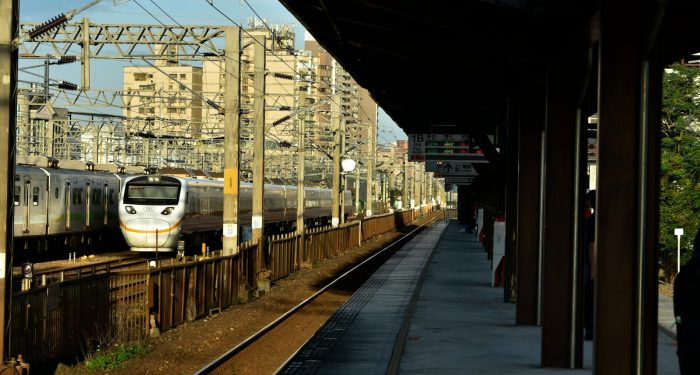
Inter-city travel via Japan's iconic shinkansen bullet trains remains a major expense, but smart planning mitigates costs.
A Tokyo-Kyoto round trip costs approximately 26,000 yen ($165) for standard class, while the 7-day Japan Rail Pass runs around 50,000 yen ($315). The pass proves economical only for travelers making multiple long-distance trips, as a Tokyo-Kyoto-Osaka-Hiroshima itinerary would easily exceed pass costs when purchased separately.
Local transportation in major cities adds another 1,500-3,000 yen ($10-20) daily through subway and bus networks, but remains remarkably efficient and comprehensive. The weak yen makes these costs feel negligible compared to metropolitan transit in cities like New York, London, or Sydney.
Rechargeable IC cards such as Suica or PASMO simplify payments across most of Japan's transit systems, and the recent implementation of nationwide IC card compatibility eliminates previous regional restrictions.
Taxis represent the main transportation expense to avoid unless absolutely necessary, with base fares starting around 1,000-1,500 yen ($6-10) and climbing rapidly. The combination of excellent public transit and current exchange rates makes taxi use unnecessary for most itineraries.
Cherry blossom season realities and booking strategies
Spring tourism drives significant price increases for accommodation in popular areas, particularly Kyoto. Hotels that charge 12,000 yen ($75) in January can jump to 20,000-30,000 yen ($125-190) during peak bloom weeks.
This seasonal premium affects both international chains and local properties, though the weak yen cushions the impact for foreign visitors compared to previous years when a stronger yen made the same rooms more expensive in absolute dollar terms.
Strategic booking becomes essential for cherry blossom season travel. Travel planning resources consistently recommend booking six months in advance for prime bloom periods, particularly in Kyoto where accommodation sells out quickly.
Travelers with flexible schedules might consider less famous but equally beautiful viewing locations in smaller cities or regional areas, where both crowds and prices remain more manageable.
The convergence of historic currency weakness and traditional peak season pricing creates an unusual dynamic. While cherry blossom season remains more expensive than off-season travel, the overall costs for international visitors hit lows not seen since the early 1990s.
A traveler paying $4,500 for a 10-day April trip in current conditions would have spent closer to $6,000-6,500 for the identical itinerary during the 2018-2019 period when exchange rates were less favorable.
Long-term currency outlook and planning considerations
Currency markets remain inherently unpredictable, but the fundamental factors driving yen weakness persist. The Bank of Japan faces pressure to maintain accommodative monetary policy to support domestic economic growth, even as this stance perpetuates currency depreciation.
Finance Minister officials have indicated comfort with exchange rates around 120-130 yen per dollar, well below current levels, though government intervention in currency markets remains a possibility if depreciation becomes too extreme.
For travelers considering spring 2026 trips, current conditions suggest unusual value compared to historical norms. While no one can predict exchange rate movements with certainty, the interest rate differential between Japan and other major economies shows little sign of rapid compression.
This creates a window where those with flexible travel plans can capitalize on favorable economics before potential policy shifts alter the landscape.
The combination of predictable bloom timing, weakened currency, and comprehensive tourism infrastructure positions spring 2026 as an exceptional moment for international visitors.
Whether seeking iconic Tokyo scenes of falling petals against urban skylines or the serene atmosphere of Kyoto's temple gardens framed by blossoms, the financial barriers to experiencing this celebrated season have dropped to their lowest point in over three decades.
What’s Your Plant-Powered Archetype?
Ever wonder what your everyday habits say about your deeper purpose—and how they ripple out to impact the planet?
This 90-second quiz reveals the plant-powered role you’re here to play, and the tiny shift that makes it even more powerful.
12 fun questions. Instant results. Surprisingly accurate.