The neutropenic diet may be joyless, but new evidence suggests it could be life-saving after all.
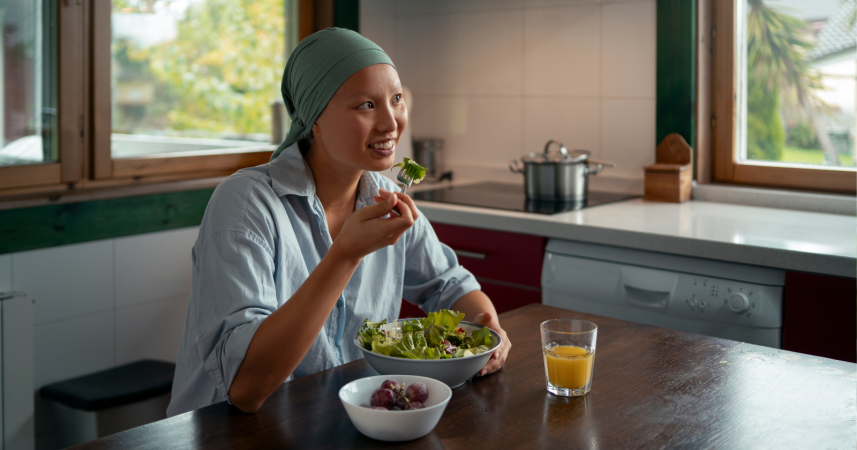
For decades, cancer patients undergoing intensive chemotherapy have faced a dietary restriction many found miserable: the neutropenic diet.
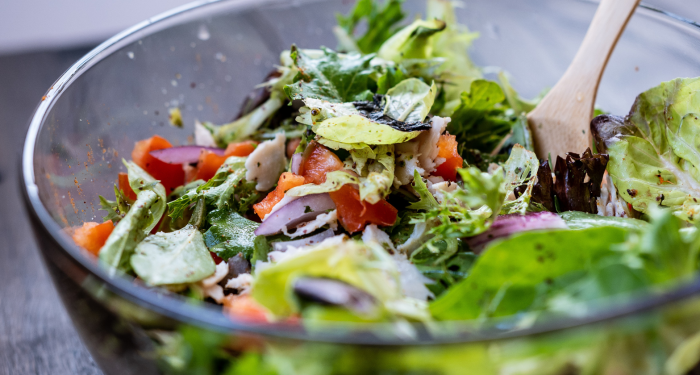
This regimen eliminates fresh fruits, raw vegetables, and anything that hasn't been thoroughly cooked, with critics describing it as requiring food to be "boiled to death." Yet in recent years, as evidence mounted that these restrictions offered little protection against infection, medical centers began abandoning the strict guidelines.
Now, a new study published in the Journal of Clinical Oncology challenges this shift, suggesting the unpopular diet may have merit after all.
The research, led by Dr. John Wingard at the University of Florida, examined more than 200 blood cancer patients receiving stem cell or bone marrow transplants. These procedures offer potential cures but require heavy chemotherapy that devastates the immune system, particularly neutrophils, the white blood cells essential for fighting infection. During recovery, when neutrophil counts plummet, even routine infections can become life-threatening.
Wingard's team split patients into two groups: one following the traditional neutropenic diet with thoroughly cooked foods only, and another allowed a liberalized diet including fresh fruits, vegetables, and pasteurized yogurt.
The trial had to be stopped early when data showed the liberalized diet group experienced 11% more infections than those on the restrictive regimen. Among patients who actually ate the fresh produce, infection rates climbed 1.5 times higher.
The debate over dietary restrictions
The neutropenic diet emerged in the 1960s as part of comprehensive infection-prevention strategies for leukemia patients.
The logic seemed sound: raw foods can harbor dangerous bacteria like E. coli and Salmonella, which a weakened immune system cannot fight. By eliminating these potential sources, doctors hoped to protect vulnerable patients during their most fragile weeks.
Yet over time, the evidence base crumbled. Studies failed to demonstrate that dietary restrictions actually reduced infection rates.
Meanwhile, patients and families complained bitterly about the diet's impact on quality of life. Fresh fruits and vegetables disappeared from hospital trays, replaced by overcooked substitutes that many found unappetizing. Concerns grew that the restrictions might worsen malnutrition, a serious problem for cancer patients already struggling to maintain adequate nutrition through grueling treatments.
A 2023 study from the University of Milan appeared to settle the debate. Researchers found that a non-restrictive diet proved equally safe for stem cell transplant patients while improving their quality of life. Many oncologists celebrated what they saw as final proof that decades of dietary restrictions had been unnecessarily harsh. Major cancer centers began moving away from strict neutropenic diets, focusing instead on general food safety guidelines.
Why the latest findings matter
The new study throws those conclusions into question. Beyond the increased infection rates, the research revealed another surprising finding: the liberalized diet offered no measurable improvements in nutrition or quality of life. This absence of benefits eliminates the trade-off that made loosening restrictions seem worthwhile.
Dr. Talal Hilal, a hematologist-oncologist at the Mayo Clinic who was not involved in the research, said the findings have prompted him to reconsider his practice. The reasoning is straightforward: if allowing fresh produce increases infection risk without improving patient outcomes in other ways, why take the chance during the most vulnerable period?
Several factors may explain why this study reached different conclusions than previous research. The patient populations differed between studies, with Wingard's research focusing on a particularly high-risk group. The duration of neutropenia, the study confirmed, directly correlates with infection risk. Patients whose immune systems remain suppressed longer face greater danger from any potential bacterial exposure.
Importantly, no patients died during the study period, and modern medicine can treat most infections effectively. The research also found that solid tumor patients, who typically experience shorter periods of neutropenia than blood cancer patients, might still safely eat less restricted diets.
Understanding why neither diet helped quality of life
The failure of either diet to improve nutrition or quality of life points to deeper challenges facing cancer patients. Intensive chemotherapy commonly causes dysgeusia, a condition that makes everything taste unpleasant or metallic. Combined with nausea, reduced appetite, and general physical discomfort, many patients struggle to eat regardless of what foods are available.
Wingard noted that this reality challenges assumptions about the neutropenic diet. While patients and families often blame dietary restrictions for poor nutrition and unhappiness, the underlying problem may stem more from treatment side effects than food choices. A perfectly grilled steak or fresh strawberries offer little appeal when everything tastes wrong and nausea makes eating a chore.
The debate reflects broader tensions in cancer care between safety and quality of life. Restrictive protocols aim to prevent complications, but they can make an already difficult experience even more challenging. When restrictions offer clear benefits, the trade-offs seem justified. When they don't, as earlier research suggested, they feel cruel and unnecessary.
What comes next for patient care
These new findings are likely to reignite discussions among oncologists about appropriate dietary guidelines for neutropenic patients.
Different cancer centers may reach different conclusions based on their patient populations and institutional practices. The European settings of some earlier studies may have involved different food handling practices than those common in American hospitals, complicating direct comparisons.
Most experts agree that context matters enormously. Bone marrow transplant patients facing months of severe neutropenia represent a different risk profile than solid tumor patients experiencing brief periods of lowered white blood cell counts. Many leading cancer centers have already moved toward more nuanced approaches, focusing on food safety education rather than blanket restrictions.
The ultimate solution may lie not in perfecting dietary guidelines but in developing better cancer treatments. Newer therapies that effectively fight cancer while causing less damage to the immune system would eliminate the need for restrictive diets entirely.
Until then, the debate over fresh fruit and vegetables for the most vulnerable cancer patients will likely continue, with physicians weighing infection risks against the human desire for appealing food during one of life's most difficult experiences.
Just launched: Laughing in the Face of Chaos by Rudá Iandê
Exhausted from trying to hold it all together?
You show up. You smile. You say the right things. But under the surface, something’s tightening. Maybe you don’t want to “stay positive” anymore. Maybe you’re done pretending everything’s fine.
This book is your permission slip to stop performing. To understand chaos at its root and all of your emotional layers.
In Laughing in the Face of Chaos, Brazilian shaman Rudá Iandê brings over 30 years of deep, one-on-one work helping people untangle from the roles they’ve been stuck in—so they can return to something real. He exposes the quiet pressure to be good, be successful, be spiritual—and shows how freedom often lives on the other side of that pressure.
This isn’t a book about becoming your best self. It’s about becoming your real self.