A chip the size of a grain of rice became the thread that stitched a family back together.
After more than 10 years of separation, a Florida family recently experienced an emotional reunion with their missing dog, thanks to a tiny microchip implanted beneath the animal's skin.
The story of Buttercup, a 15-year-old dog who disappeared with her sister a decade ago, has reignited conversations about the critical role of pet identification technology in bringing lost animals home.
Miami-Dade Animal Services reported that Buttercup was brought to their facility in January 2026 after being found limping in the Homestead area. When shelter workers scanned her for a microchip, they discovered the device contained registration information linking her to owners who had lost hope years ago.
The reunion serves as a powerful reminder that microchipping remains one of the most effective tools for reuniting lost pets with their families, even after extraordinary lengths of time.
Understanding how microchips work
Pet microchips are rice-sized electronic devices implanted under an animal's skin, typically between the shoulder blades. These devices contain a unique identification number linked to the owner's contact information in a centralized registry.
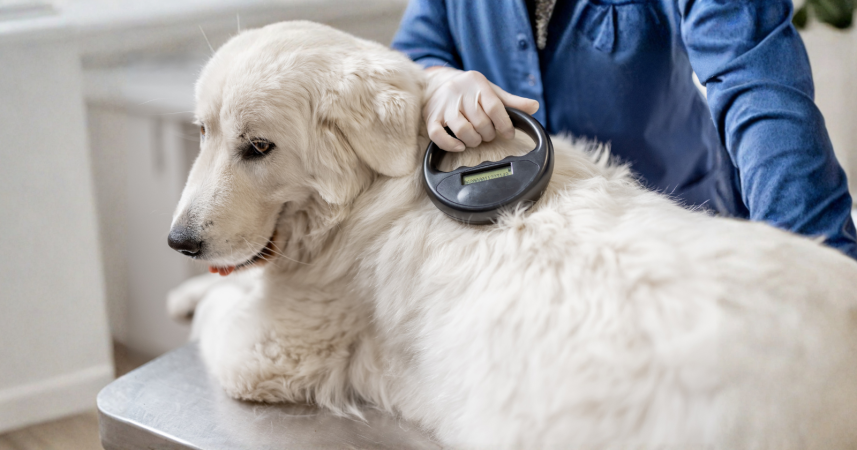
When a lost pet arrives at a shelter or veterinary clinic, staff members use specialized scanners to detect the microchip and access the owner's details. The implantation process takes only minutes during a routine veterinary visit and causes minimal discomfort to the animal.
Unlike GPS trackers, microchips cannot provide real-time location tracking of pets. Instead, they function as permanent identification that cannot fall off or be removed like traditional collar tags. The technology has proven invaluable in cases where pets have traveled long distances or remained missing for extended periods.
According to the American Veterinary Medical Association, microchipped stray dogs are returned to their owners at more than double the overall rate for all stray dogs, while the difference in return rates for cats is even more dramatic.
The gap between microchipping and successful reunification
While microchips have revolutionized pet identification, their effectiveness depends entirely on proper registration and maintenance of owner information.
Research consistently shows that many lost pets with microchips still face challenges returning home because of outdated or incorrect contact details in registry databases. Animal control officers report that approximately 50% of microchipped pets they encounter have registration issues that complicate reunification efforts.
The most common problems include owners failing to register the microchip after adoption, not transferring registration when selling or rehoming a pet, and neglecting to update contact information after moving or changing phone numbers.
Gabriella Dominguez of Miami-Dade Animal Services noted that Buttercup did not immediately recognize her family after such a long separation, highlighting how crucial proper identification becomes when time and trauma affect recognition. The reunion required the technology to bridge a gap that natural recognition could not overcome.
Affordability and accessibility drive adoption
The cost of microchipping has become increasingly affordable, making the technology accessible to pet owners across all economic backgrounds.
Veterinary clinics typically charge between $25 and $60 for the complete microchipping procedure, which includes the chip itself, implantation, and initial registration. Many animal shelters and rescue organizations offer the service at even lower rates, with some municipal facilities charging as little as $15. The affordability factor has contributed to growing adoption rates nationwide.
Free microchipping events have become increasingly common, particularly around holidays when pet losses spike. Many veterinary practices now offer discounted rates when microchipping is bundled with other services like vaccinations or spay and neuter procedures. Pet insurance companies have also begun recognizing the value of microchipping, with some offering coverage through optional wellness plan add-ons.
Regulatory momentum has further accelerated microchipping adoption. Hawaii became the first state to mandate pet microchipping in 2021, while numerous cities and counties across California, Florida, Georgia, Illinois, New Jersey, and Texas have incorporated microchipping requirements into their local ordinances.
These legislative efforts reflect growing recognition that microchipping serves as a critical component of responsible pet ownership and effective animal welfare management.
Taking action to protect your pets
The story of Buttercup and similar reunions demonstrate that hope persists even when years pass without finding a lost pet. For pet owners, the message is clear: microchipping provides the best chance of reunion should a beloved animal go missing.
However, the technology's effectiveness requires owners to complete registration immediately after implantation and commit to keeping contact information current throughout the pet's lifetime.
Veterinarians and animal welfare professionals emphasize that microchips should supplement, rather than replace, traditional collar tags with current contact information. Tags allow neighbors and passersby to contact owners immediately without requiring a trip to a shelter or clinic.
Together, these identification methods create multiple pathways for lost pets to find their way home, whether they disappear for a few hours or, as in Buttercup's remarkable case, for more than a decade.