A global squeeze is hitting tea fields—and the matcha shortage may soon spill into your morning latte.
The first time a barista told me “no matcha today,” I thought it was a small supply hiccup. The second café said the same thing. By the third, I realized something real was shifting.
I kept the empty paper cup and laughed at myself: I’ve become the kind of person who notices matcha before I notice the weather.
This attachment isn’t new. Last year, after I finally got my driving license, I bought myself a gift from me to me: a full matcha set—bowl, whisk, scoop, a small tin of bright green powder.
I wanted a calm ritual to balance my other love, the espresso machine. I fast in the mornings and eat at 1 p.m., so that green bowl became the way I marked time without breaking my fast.
Sometimes I still order a café latte for the company and the walk. But in the past weeks, the green option keeps slipping off the menu.
I decided to look up what’s happening beyond my neighborhood. Two pieces gave me the clearest picture.
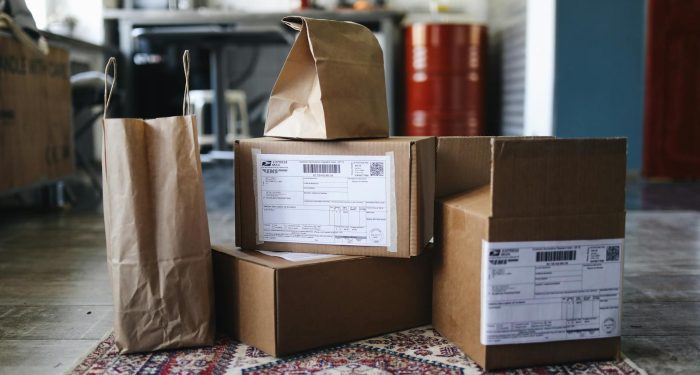
One is a local news report from San Francisco describing cafés raising prices, shrinking sizes, and even removing matcha because shipments are late and costs are high. Owners blame weak harvests in Japan, an aging farming workforce, and higher importing costs; some even mention postal disruptions and tariffs making small deliveries harder.
It sounded dramatic, but it matched what I was seeing on chalkboards and Instagram stories—“no matcha until next week,” “temporarily out.”
Then there is the global lens. A recent Reuters story says Japan’s exports of green tea, including matcha, jumped again last year.
More people are asking for a drink that is getting harder to grow well, and harvests do not expand overnight.
What’s actually happening
Local café owners describe a perfect storm.
Demand keeps rising, but this year’s tencha (the leaf used to make matcha) is tighter.
A record-hot season in Japan weakened parts of the crop; many farms are run by aging growers; and importing has become more expensive. Some shops have added surcharges or paused matcha drinks entirely.
A few are steering customers to roasted-tea lattes like hojicha or to genmaicha while they wait for stock.
Zoom out and the picture holds: farmers and industry officials in Japan report that extreme heat has cut output, and prices for high-quality matcha have hit all-time highs as global demand keeps climbing.
If you’ve noticed your favorite latte costing more—or disappearing—you’re feeling the same pressure growers are facing half a world away.
Why this isn’t just a “trend problem”
It’s tempting to blame only the trend cycle, but the squeeze isn’t purely about hype. Heat is the loudest factor: high temperatures stress shade-grown tea, which needs careful timing and patient processing.
When yields dip, cafés fight over a smaller pie.
Add trade friction — tariffs on Japanese imports and even disruptions in postal shipments — and small tea businesses lose their easiest routes to the U.S. shelf.
That is why some shop owners are paying more, waiting longer, and sometimes giving up for a few weeks.
Will your daily latte be next?
Short answer: it might be.
When farm output falls and wholesale prices jump, café menus change fast.
First, you see size limits, then price hikes, then “out of stock” signs. If heat waves keep hitting future harvests, shortages could stretch from city pockets to wider regions.
At the same time, demand hasn’t cooled—far from it—which means even a normal harvest struggles to catch up.
That gap is why your “everyday” matcha suddenly feels like a treat.
A mega-merger won’t fix tomorrow morning
Industry consolidation is now racing the supply crunch.
This week, Keurig Dr Pepper announced an $18 billion deal to acquire JDE Peet’s, with plans to split into two companies: a North America–focused beverage firm and a global coffee player. On paper, scale can help stabilize procurement and logistics. In practice, analysts warn that near-term price relief is unlikely; the merger might slow future spikes rather than roll back prices you’re paying now. And as giants get bigger, small roasters and cafés may feel more pressure—on green coffee access, on contract terms, and on the ability to differentiate. MarketWatch
What cafés are doing in the meantime
Owners are trying three common moves:
-
Protect quality. Many would rather pause matcha than swap in dull, bitter powder. They know customers can taste the difference, and they don’t want to burn trust for a quick fix.
-
Offer close cousins. Hojicha lattes (roasted green tea) and genmaicha (green tea with toasted rice) have a cozy, toasty profile and are easier to source right now.
-
Raise prices slowly. It’s not greed; it’s survival. When wholesale costs spike, the extra dollar keeps lights on and staff paid, especially for small shops.
What this means for your cup
The next few months will likely bring menu edits and price boards that creep.
For matcha lovers: expect occasional outages, more “latte mixes,” and a gentle push toward roasted green teas that are more available. For coffee drinkers: you may not see “sold out,” but you’ll feel the market in your wallet.
Consolidation could eventually tamp down the wildest price swings, yet the underlying forces—heat, harvest risk, trade policy—aren’t yielding to corporate strategy.
Your daily latte is less a given and more a minor luxury that communities choose to keep alive together.
The bottom line
From the news, I hear two clear notes:
- Cafés really are running short and raising prices; some are pausing matcha because getting the right quality is uncertain and importing is harder.
- Demand keeps climbing while heat and slow farming limit supply. That is why a daily latte suddenly feels rare.
From my own kitchen, I hear another note: rituals can bend without breaking.
When the green isn’t there, I can still choose a mindful start. I can also tip my barista more when they miraculously keep the good stuff in stock.
If cafés are running out of matcha where you live, it’s not a fad dying — it’s a crop catching its breath.
Be kind to your baristas, try the toasty cousins, and keep the ritual. The green will return, that's what I believe. Until then, our mornings can learn a new shade.