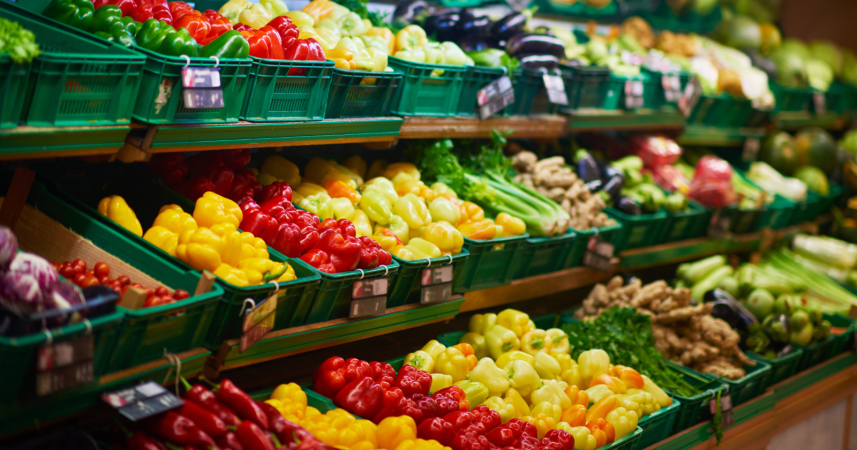
If you’ve been cruising the crisper section lately—playlist of moody indie beats in your headphones, mental list of kombucha flavors to try next—you may have felt your eyebrows levitate at the price tags dangling off everyday veggies. Overall food inflation has cooled to around 3 percent, according to the latest Consumer Price Index, but pockets of […]

Add VegOut to your Google News feed. 
If you’ve been cruising the crisper section lately—playlist of moody indie beats in your headphones, mental list of kombucha flavors to try next—you may have felt your eyebrows levitate at the price tags dangling off everyday veggies.
Overall food inflation has cooled to around 3 percent, according to the latest Consumer Price Index, but pockets of the produce world are setting fresh records, leaving even seasoned meal‑prep champs blinking in disbelief.
Why the disconnect? Weather extremes fueled by a stubbornly warm Pacific (hello again, El Niño), lingering logistics snarls, shifting acreage decisions, and trade friction are squeezing supply just as demand rebounds in restaurants and home kitchens. Think of it as a remix no one asked for: climate beats, tariff basslines, and a chorus of hungry shoppers. Below, we dig into the five vegetables whose price trajectories have shot up fastest this season—and the back‑story behind each spike.
1. Garlic: the aromatic MVP in short supply
A head of garlic usually costs pocket change; this year it’s flirting with luxury‑item status. Importers from Los Angeles to New York report “the highest levels we’ve ever seen,” with wholesale quotes soaring past previous peaks as Mexican harvests wind down and Spanish volume can’t fill the gap. Steep U.S. tariffs keep most Chinese product on the sidelines, so domestic buyers are scrambling for any non‑Chinese bulbs they can snag.
Why the squeeze?
-
Global weather whiplash. Heavy post‑harvest rains wiped out part of Spain’s 2023 crop, shrinking carry‑in stocks for 2025.
-
Tariff turbulence. Existing duties on Chinese garlic (plus growing political pressure over alleged “sewage garlic”) leave domestic distributors with few fallback options.
-
Sticky demand. Garlic’s culinary ubiquity means substitution is tricky—no chef is swapping it for, say, marshmallows—so buyers absorb the hit.
Jordan’s tip: Stretch flavor by steeping minced cloves in neutral oil, then using the infused oil for sautés. You’ll waste less of that pricey bulb.
2. Organic celery: $40 cartons and counting
Organic celery used to be the wallflower of the juicing crowd; now it’s the prom queen with diamond‑encrusted corsage. FOB prices hit $35–$40 per carton this spring—triple the conventional market—after limited winter plantings in California’s Oxnard district met a bout of disease and fierce shopper loyalty.
Key drivers
-
Planting pullback. Growers, wary of soft organic returns in 2024, seeded fewer acres; the gamble back‑fired when demand stayed robust.
-
Field diseases. Fusarium and bacterial blight trimmed yields just as supplies were already light.
-
Hearts over stalks. Retailers favor trimmed “celery hearts,” which means more culling and fewer full bunches in the pipeline.
How long will it last? Industry scouts expect relief only when Nevada and later Salinas acreage kicks in mid‑summer, but even then the spread over conventional could stay historically wide.
Jordan’s tip: If you’re juicing, use the leafy tops too—more micronutrients, less waste, better value.
3. Bell peppers: heatwaves, hailstorms, higher prices
From fajitas to football‑party crudités, bell peppers are a produce‑aisle staple—yet red and green peppers have become the season’s surprise splurge. Markon’s late‑June update flagged escalating markets as California’s desert fields slowed under triple‑digit highs while a hailstorm abruptly ended Georgia’s season.
What’s powering the climb?
-
Weather one‑two punch. Early heat accelerated ripening in Imperial Valley, pulling volume forward; hail in the Southeast shredded East‑coast supply just as retail ads ramped up for grilling season.
-
Production gaps. With Central Mexico volumes off their peak and Bakersfield fields not yet in full swing, supplies remain patchy.
-
Rising input costs. Labor, packaging, and diesel aren’t dropping as fast as headline inflation, padding the FOB floor.
Market outlook: Analysts expect “steady to slightly higher” price action through mid‑July; a sudden cool spell could send another jolt by stunting fruit set.
Jordan’s tip: Opt for frozen pepper strips in cooked dishes—they’re harvested at peak ripeness and can be half the price per pound.
4. Onions: tight stocks, steep stickers
Whether you caramelize, pickle, or fling them on a vegan brat, onions are the bedrock of flavor—and this year they’re looking spendy. Supply of large/medium yellows and whites is “substantially down from last year,” with red onions tightening fast, according to Wisconsin‑based shipper Alsum Farms.
Pressure points
-
Shrinking storage carry‑in. Strong 2024 demand cleared bins earlier than usual.
-
Mexican water woes. Drought limited crossings, forcing buyers further afield.
-
Early finish in northern states. Heavy draw‑downs accelerated the end of the Midwest season, leaving a vacuum before Texas ramps up.
Prices are still rising—albeit at a slower clip—running “a lot higher than a year ago,” growers say. As Texas harvest expands, quotes could ease $3‑$5 per 50‑lb sack, but remain elevated versus 2024.
Jordan’s tip: Store onions in a cool, well‑ventilated spot away from potatoes to extend shelf life and stretch your dollar.
5. Fennel: the chef‑favorite caught in an “extreme” market
Fennel—aromatic darling of pasta salads and roasted veg platters—rarely grabs headline space. Yet Performance Foodservice’s May market‑trends report slapped an “ESCALATED” tag on fennel (and an “EXTREME” flag on leeks) as low yields collided with steady restaurant demand.
Why fennel, why now?
-
Field fatigue. Cooler, wetter spring weather in California stalled bulb development, and acreage is modest to begin with.
-
Competing crops. Growers chasing higher returns in celery and romaine trimmed fennel rows, tightening the niche crop even further.
-
Menu momentum. Food‑service chains have rediscovered fennel’s crunchy‑anise pop for plant‑forward dishes, keeping wholesale buyers in the hunt.
For home cooks, that translates to $3‑$4 bulbs (or more) at upscale grocers—double last summer’s sale price.
Jordan’s tip: Don’t ditch the fronds—mince them into gremolata or fold into vegan yogurt dips to get every penny’s worth.
So what can shoppers do?
-
Swap smartly. Can’t stomach $40 celery? Bok choy or napa cabbage offer crunch for a quarter of the cost (for now).
-
Buy frozen or canned. Processing seasons often run on different calendars and can insulate you from fresh‑market spikes.
-
Cook stem‑to‑leaf. Use garlic skins for broth, pepper cores for stock, onion trimmings for veggie soup base. Waste less, save more.
-
Watch the weekly ads. Retailers often absorb short‑term increases to keep traffic flowing—especially ahead of holidays.
The bigger picture
Climate volatility and global trade friction aren’t likely to vanish by the next farmers’ market. For producers, that means more hedging and diversified sourcing; for us veggie lovers, it means staying nimble, leaning on seasonal variety, and embracing those kitchen‑scrap TikTok hacks we once scrolled past.
In the meantime, keep an eye on the produce aisle’s price ticker—it’s the most suspenseful reality show playing out in real time. And hey, when you do splurge on that fragrant bulb of garlic or bouquet of celery, make it sing: slow‑roast cloves until jammy, blitz stalks into a bright-green chimichurri, and remember that, yes, even inflation can taste delicious with the right playlist and a drizzle of good olive oil.
What’s Your Plant-Powered Archetype?
Ever wonder what your everyday habits say about your deeper purpose—and how they ripple out to impact the planet?
This 90-second quiz reveals the plant-powered role you’re here to play, and the tiny shift that makes it even more powerful.
12 fun questions. Instant results. Surprisingly accurate.