Korean researchers prove kimchi doesn't just boost immunity—it fine-tunes it with surprising precision
Groundbreaking research reveals the fermented Korean staple acts as a 'precision regulator' for immune cells, strengthening defenses while preventing harmful overreactions
A clinical trial published this month has revealed something remarkable about kimchi—the spicy, fermented Korean cabbage that's been showing up in everything from tacos to burgers lately. Turns out, it's not just trendy. According to new research published in the journal npj Science of Food on November 17, 2025, kimchi doesn't just boost your immune system—it actually fine-tunes it with surprising precision.
This is the first study to examine kimchi's effects at the single-cell level, and the findings are making waves in the nutrition science community. The 12-week clinical trial demonstrates how regular kimchi consumption simultaneously strengthens immune defenses while preventing the kind of excessive inflammatory responses that can damage tissue and contribute to chronic health problems.
What the research team discovered
The World Institute of Kimchi, a government-funded research organization in South Korea, recruited 39 overweight adults for the study. Participants were divided into three groups of 13 each. One group received a placebo, another consumed naturally fermented kimchi powder, and the third took kimchi powder made using a starter culture fermentation method.
Each participant consumed roughly 3,000 mg of kimchi powder daily—equivalent to about 30 grams of fresh kimchi—for 12 weeks. At the end of the trial period, researchers collected peripheral blood mononuclear cells and performed advanced single-cell transcriptomics analysis.
This cutting-edge technique tracks changes in gene expression within individual immune cells, revealing subtle shifts that traditional blood tests would miss entirely. According to ScienceDaily reporting on December 17, 2025, the results showed kimchi consumption strengthened antigen-presenting cells, which are responsible for recognizing and signaling threats like viruses and bacteria. The fermented food also promoted balanced differentiation of CD4+ T cells into both defense cells and regulatory cells.
Notably, other immune cell types—including CD8+ T cells, B cells, and natural killer cells—remained stable throughout the study. This suggests kimchi targets specific immune functions without triggering system-wide activation, which could lead to unwanted inflammation.
The dual-action 'precision regulator' effect
Dr. Wooje Lee, who led the research team, explained the significance of these findings. "Our research has proven for the first time in the world that kimchi has two different simultaneous effects: activating defence cells and suppressing excessive response," he said, according to reporting by Centrist on November 27, 2025.
This balanced approach matters because the immune system walks a fine line. It needs to defend aggressively against infections while avoiding damaging inflammation. The study found kimchi enhanced the antigen-recognition ability of immune cells through a specific genetic pathway called JAK/STAT1–CIITA, essentially helping the body identify threats more accurately while keeping unnecessary responses in check.
Rachel Woods, Senior Lecturer in Physiology at the University of Lincoln, noted the targeted nature of these changes in The Conversation on December 3, 2025. She wrote that kimchi affected the immune system selectively, increasing activity of antigen-presenting cells and certain genes that help immune cells send clearer signals to T cells. Helper T cells, which coordinate overall immune response, showed genetic changes that made them react more quickly to immune triggers.
"Most other immune cells stayed the same, meaning kimchi targeted helper T cells rather than activating the entire immune system," Woods explained. "Maintaining this balance is important because the immune system must be able to respond to infections effectively while avoiding excessive inflammation that can damage tissues."
Fermentation technique influences effectiveness
In an unexpected twist, the research revealed that fermentation method matters. Both naturally fermented and starter-culture kimchi produced positive immune effects, but the starter-culture version showed more pronounced results.
According to the research team, starter-culture kimchi enhanced antigen recognition capability and regulatory performance of immune cells more effectively than its naturally fermented counterpart. This suggests future kimchi products could potentially be optimized through controlled fermentation to maximize specific health benefits—a finding that could have significant implications for functional food development.
The difference likely stems from the more controlled bacterial environment in starter-culture fermentation, which uses specific chosen bacterial strains rather than relying on naturally occurring microbes. This allows for more consistent production of beneficial metabolites and fermentation byproducts.
The broader fermented food picture
The kimchi findings arrive as fermented foods generally are experiencing a surge in scientific interest and consumer demand. Research published by Cedars-Sinai on November 20, 2025, notes that fermented foods introduce beneficial probiotics while also delivering postbiotic compounds—the healthful metabolites and chemical byproducts of fermentation.
L.J. Amaral, a clinical research dietitian at Cedars-Sinai, explained that many bacteria in fermented foods won't survive or colonize the gut, but thousands of chemical products of fermentation interact directly with immune cells and the gut barrier. These compounds also feed existing beneficial bacteria already present in the digestive system.
Previous research has already established kimchi's metabolic benefits. A meta-analysis published in Nutrition Reviews and reported by UConn Today on September 22, 2025, found that fermented kimchi consumption improved fasting glucose levels, triglycerides, and blood pressure. Compared to control groups, those consuming fermented kimchi showed lower fasting glucose, reduced triglyceride levels, and meaningful reductions in both systolic and diastolic blood pressure.
One small study cited by researchers found that people who ate fermented foods daily for 10 weeks showed lower levels of 19 inflammatory proteins, including interleukin 6, a protein linked to conditions like diabetes, arthritis, and chronic stress.
From traditional food to functional medicine
Kimchi has been a staple of Korean cuisine for centuries, traditionally consumed at every meal. The fermentation process was originally developed as a preservation method, allowing vegetables to last through harsh winters. But modern nutrition science has confirmed what Korean culture has long understood—fermentation confers genuine health benefits beyond simple preservation.
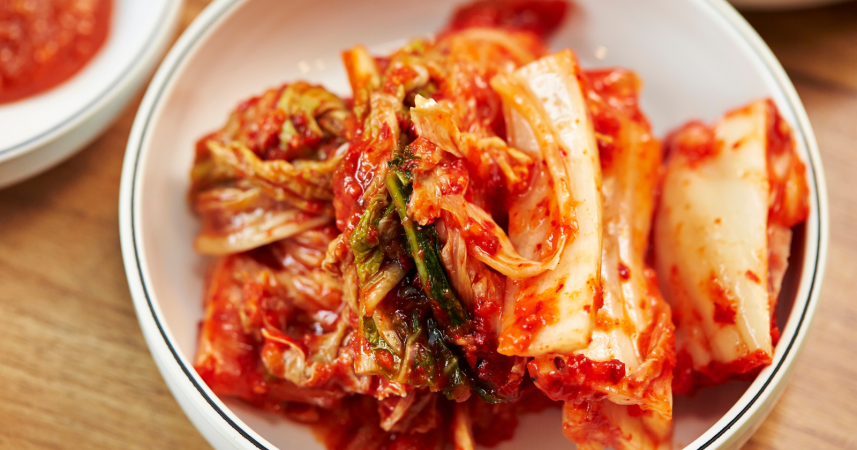
The traditional preparation involves salting vegetables like napa cabbage and Korean radishes, then coating them in a paste made from Korean red chili pepper, garlic, ginger, fish sauce, and other seasonings. The mixture is packed tightly into containers and left to ferment as lactic acid bacteria break down sugars, creating the characteristic tangy, spicy flavor while producing beneficial compounds.
According to the American Medical Association reporting from September 24, 2025, the fermentation process offers a trifecta of benefits: nourishing the microbiome with inflammation-fighting microbes, aiding digestion, and playing a key role in vitamin production. Dr. Stephen Devries, a preventive cardiologist and executive director of the Gaples Institute, noted that fermented foods have been used for centuries across nearly every culture as a preservation method, and modern science has shown fermentation benefits health beyond just food preservation.
What about sodium concerns?
One question that often comes up with kimchi is sodium content. Traditional kimchi is high in salt—a factor that normally contributes to high blood pressure. Yet research has consistently shown kimchi consumption actually lowers blood pressure rather than raising it.
Professor Ock Chun of UConn's nutritional sciences department, commenting on the blood pressure findings in their meta-analysis, called the results promising. "In clinical settings, even a reduction of 5 mmHg in systolic blood pressure is considered a meaningful improvement," Chun explained. "So, seeing comparable reductions from a dietary intervention, not medication, is a very promising result."
The apparent paradox suggests that beneficial compounds produced during fermentation, along with the fiber and probiotics, may counteract sodium's typical blood pressure effects. However, people monitoring sodium intake for specific health conditions should still consult healthcare providers before adding significant amounts of kimchi to their diet.
Study limitations and future research directions
While the immune findings are compelling, the research has important limitations. The study was relatively small, involving only 39 participants, and focused specifically on overweight adults. The trial examined immune cell changes rather than actual health outcomes like reduced infection rates or inflammation-related illnesses.
Additionally, all participants in the original study were Korean. Since the gut microbiome varies significantly across populations due to dietary habits and genetics, it's unclear whether these immune effects would be identical in other populations. Researchers acknowledge that larger, more diverse trials are needed to confirm whether daily kimchi consumption translates to measurable health improvements in real-world settings.
The research team also noted that kimchi recipes vary considerably. Different vegetables, fermentation times, and preparation methods can affect which bacterial strains dominate and which compounds are produced. This means health benefits might vary from one kimchi batch to another.
What's next for kimchi research
The findings position kimchi as more than just a flavorful condiment—it's now scientifically established as a functional food with measurable effects on immune cell behavior. Researchers at the World Institute of Kimchi expect these results to inform several areas: development of health functional foods, improvement of vaccine effectiveness, and prevention of immune-related diseases.
The revelation that fermentation method influences immune effects opens possibilities for optimizing kimchi production through controlled starter cultures. This could lead to specially formulated kimchi products targeting specific health concerns, moving the food from traditional staple to precision nutrition tool.
Research teams have indicated plans to continue studying the influence of kimchi and lactic acid bacteria on human health, potentially examining effects on vaccine response, inflammatory conditions, and immune system regulation in various populations.
For now, the science provides solid backing for what Korean grandmothers have known for generations—that daily kimchi consumption supports overall health. The difference is we now understand the mechanism at the cellular level, watching in real time as this centuries-old fermented food fine-tunes one of the body's most complex systems with remarkable precision.