The Treaty of Breda, concluded on 31 July 1667, ended the Second Anglo-Dutch War, and the Historical Society of the New York Courts records that the Dutch formally ceded New Netherland to the English while retaining their monopoly in the spice trade. The island the Dutch kept under that settlement was Run, at the western edge of the Banda group in Indonesia's Maluku province. Wikivoyage's guide to Pulau Run gives one instruction for arriving: take a public boat or a charter boat from Banda Neira.
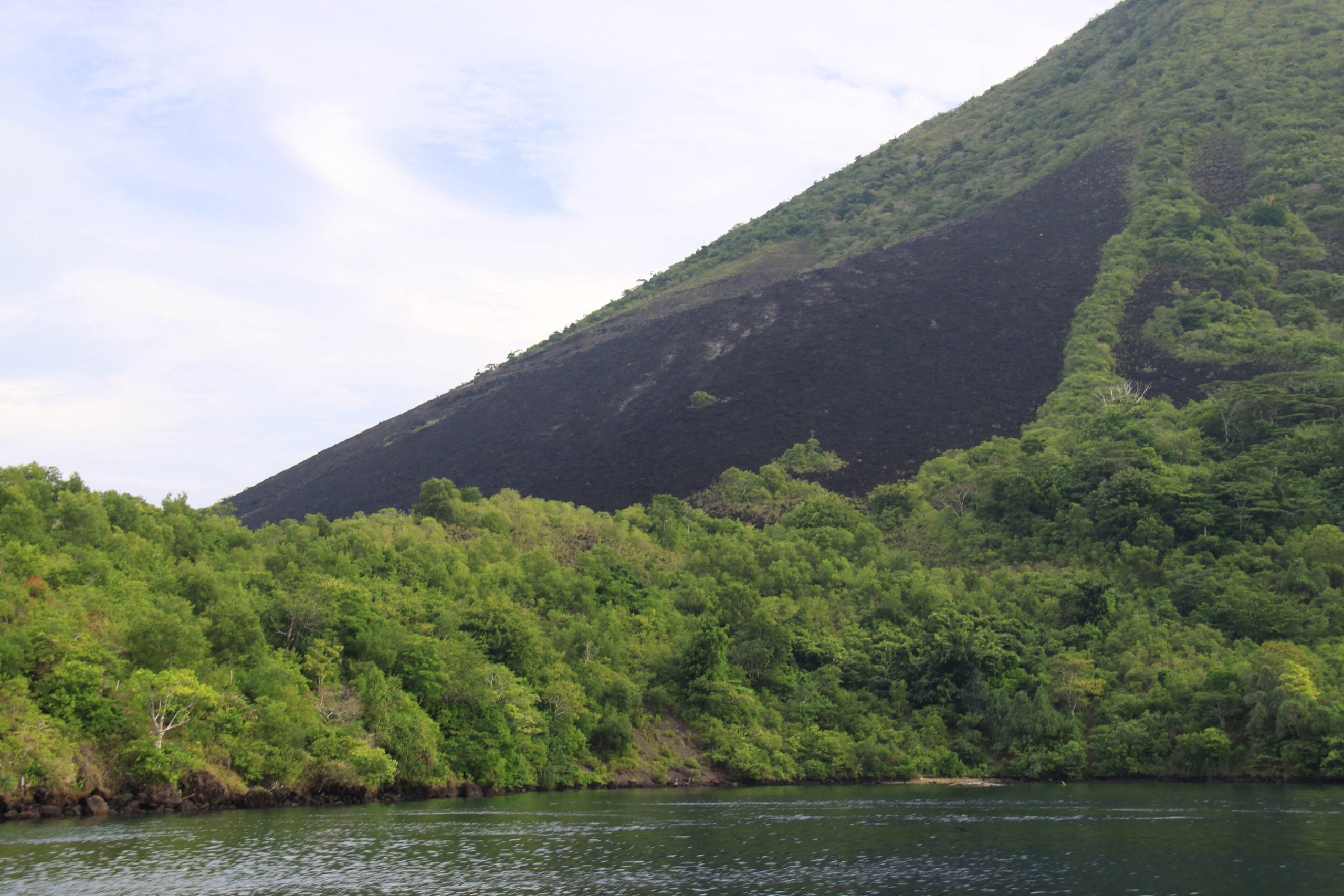
NASA's ASTER image gallery, which carries a satellite view of the island acquired on 5 January 2016 covering an area of 15.7 by 34.8 kilometers, describes Run as one of the smallest and westernmost of the Banda Islands and says that at the time it was the only source of nutmeg and mace. VegOut's video below covers nutmeg's place in that trade.
What the Treaty of Breda settled
The shorthand that Run was traded for Manhattan compresses a longer argument. Encyclopedia accounts of the treaty record that Breda consisted of three separate treaties between England and each of its opponents, the Dutch Republic, France and Denmark-Norway, plus a separate Anglo-Dutch commercial agreement, and that its terms confirmed colonial territories taken in the war, including Suriname to the Dutch and New Netherland, later New York, to the English. A University of Minnesota library exhibit on 17th-century English trade proclamations sets out the same outcome: the English kept New Amsterdam, New Netherland and Cape Coast castle, the Navigation Acts were adjusted so the Dutch could import into England in their own ships, and the Dutch were allowed to retain Pulo Run. Each side kept what it held.
Run had been fought over for half a century by then. The English East India Company established nutmeg plantations on the island in 1616 and was evicted by the Dutch East India Company, the VOC, in 1620. When the English re-occupied Run in late 1664, the Dutch expelled them again and destroyed the plantations. In October 1666, when Charles II opened discussions with the States-General, he withdrew his earlier demands, among them the return of Run. VegOut has set out the wider story of the 1621 conquest that gave the VOC its nutmeg monopoly.
Wikivoyage's account of the island says the British were the first Europeans to occupy Run, in the 17th century, were soon expelled by the Dutch, and gave up all claims in exchange for Dutch recognition of British rule over the former New Netherlands, much of which is now New York state. The British later transplanted nutmeg trees to other colonies in the early 19th century, ending the Dutch monopoly. Run is quiet now, the guide says, and the people there continue to grow nutmeg trees.
Getting as far as Banda Neira
Almost every route to Run runs through Banda Neira, and the state-owned shipping line is the main way in. A press release issued by PT PELNI in Ambon on 20 October 2025 says the company has long been the main mode of transportation for tourists and residents traveling to Banda Neira, and that the port is served by three passenger vessels and one pioneer vessel.
Marthin Heryanto, head of PELNI's Ambon branch, listed them in that release as KM Labobar, with a capacity of 3,000 passengers, KM Pangrango and KM Sangiang at 500 each, and the pioneer vessel KM Sabuk Nusantara 106 at 400. The published routes reach well beyond Maluku. KM Labobar runs from Jakarta through Surabaya, Makassar, Baubau, Ambon, Banda, Tual, Dobo and Fakfak to Kaimana and back. KM Sangiang works a northern line from Bitung through Ternate, Bacan, Sanana, Namlea and Ambon to Banda, Geser and Fakfak. KM Sabuk Nusantara 106 links Ambon and Banda with Geser, Gorom, Kesui, Teor, Pulau Kur and Tual.
"To support Banda Neira's tourism, PELNI ship schedules are arranged so that vessels arrive in Banda Neira in the morning," Marthin said in the release. "This allows tourists to rest comfortably onboard during the voyage and arrive refreshed, ready to start their activities early in the day."
The pattern set out for KM Pangrango in that October 2025 release suits a short trip: the vessel departs Ambon every Friday afternoon, arrives in Banda on Saturday morning, docks overnight until Sunday afternoon and returns to Ambon by Monday morning. The release also described a longer loop for the Jakarta ship, saying KM Labobar takes five days from Tanjung Priok to Banda Neira, continues to Fakfak, and calls at Banda again four days later before sailing west.
Those are the arrangements PELNI described in October 2025 rather than a fixed timetable; Wikivoyage warns that transport offers and schedules to the Bandas change often. The company advises planning a voyage well in advance and sells tickets through the PELNI Mobile application and its official website. The release put passengers disembarking at Banda at 49,529 in 2024, with 42,200 recorded in the first nine months of 2025.
The last leg to Run
From Banda Neira, the local boat is the only route the guides describe. Wikivoyage's guide to the Banda Islands says boats to Run, Ai, Banda Besar and Hatta leave from the southwest of Neira near the market, that there is no fixed inter-island system, and that travelers are in effect tagging along with residents. In general there is one boat per day from each island, the guide says; the boats reach Neira in the morning for the market and head back around 11:00 to 12:00, and public boats do not run on Fridays. Ask different people and the answers differ.
The same guide says boat and flight cancellations are frequent, so anyone heading to the Bandas should allow spare time rather than travel with a visa about to expire or an onward flight booked. It also warns that Indonesian ferry safety standards are generally low and that overloaded small boats can be hazardous in rough seas.
On Run itself, getting around is on foot, or by asking residents for a motorbike. Wikivoyage lists three places to stay, among them the Manhattan Guest House. The snorkeling site it names is Nailaka Island, off Run's northeastern side, reached by hiring another boat.
Fares, departure times and frequencies on the inter-island boats are set locally and change, so they are worth confirming in Banda Neira on arrival.