If these ingredients shaped your childhood, you weren’t deprived—you were taught. You learned that a full table, no matter the menu, is one of the clearest ways a family says, “You belong here.”
There’s a certain kind of love you can taste.
It isn’t caviar or truffle oil.
It’s the kind of love that shows up in a big pot on the stove, a stack of bowls beside it, and a parent trying to stretch dinner three different ways so everyone eats and tomorrow still feels possible.
If you grew up with money, maybe you tasted variety.
If you didn’t, you probably tasted ingenuity.
These seven ingredients show up again and again in homes where cash was tight but care was not. And honestly? They built palates, resilience, and community in ways a fancy tasting menu never could.
1) Beans
Beans are a masterclass in making something from almost nothing.
Dried beans look humble in the bag, but soak them overnight and they become the base for a dozen meals—soups, stews, tacos, chili, rice bowls. They’re protein, fiber, and comfort all in one. Canned beans? Same story, ten times faster.
Where I grew up, we treated a pot of pinto beans like an event. Day one was bowls with chopped onions, hot sauce, maybe a sprinkle of cheese if there was some. Day two turned into refried bean tostadas. Day three, leftovers met rice and a fried egg for anyone who wanted one. Money was tight; the vibe wasn’t.
If beans were in your childhood, you got the unspoken lesson: patience transforms things. Low heat, time, salt, and a bay leaf can shift a pot from “bare pantry” to “come over and eat.”
2) Rice
Rice is the quiet hero of the weeknight table.
People think of it as filler. It’s actually a canvas. Stir in a spoon of tomato paste and a bouillon cube and you’ve got red rice. Toast it with garlic before water and you’ve got something nutty and fragrant. Pair it with beans and you’ve got complete protein, even if meat was off the table most nights.
As a vegan adult, I still default to rice when the week gets chaotic. I make a big pot on Sunday, squeeze in lime, and I’ve got the backbone for burrito bowls, stir-fries, and last-minute “I forgot to eat lunch” situations. That’s a habit learned from folks who had to be strategic: cook once, eat many.
Rice also taught an under-the-radar skill—portioning. A cup raw becomes three cups cooked. If you know that, you can plan for the whole household without stress. That’s kitchen math as love.
3) Cabbage
If there’s a vegetable that deserves a lifetime achievement award, it’s cabbage.
Cheap, dense with nutrients, and basically a transformer. Shred it raw with vinegar and sugar and it’s crunchy slaw. Slice and sauté it with onions and soy sauce and it’s dinner. Simmer it with potatoes and carrots and it’s soup that feeds whoever shows up.
I didn’t appreciate cabbage as a kid. Too squeaky, too simple. Then I started cooking for myself and realized it lasts forever in the fridge and plays well with everything from cumin to miso. One head becomes six meals. That’s value, but it’s also flexibility.
Parents who cook cabbage are often teaching an invisible lesson: don’t underestimate the boring thing. So many “boring” things—habits, checklists, vegetables—are what keep families steady.
4) Potatoes
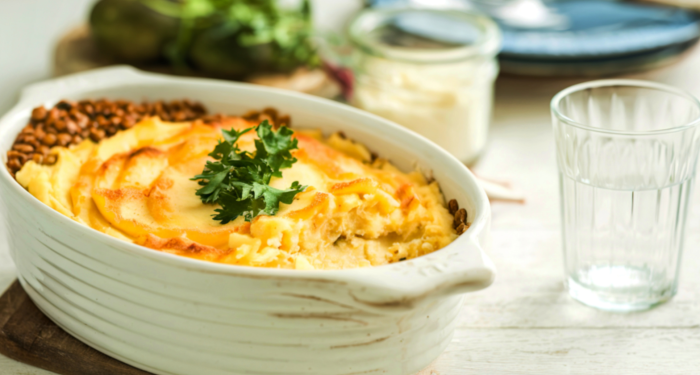
You can do a lot with a bag of potatoes and thirty minutes.
Roast them until the edges go glassy. Boil and smash them with margarine and salt. Cube and crisp them in a skillet with paprika and garlic. When paychecks were thin, potatoes made the table feel abundant—big bowls, heaps of steam, everyone going back for seconds because there was actually enough.
I remember one winter where oven fries were a twice-a-week situation. We’d cut wedges, toss them with oil, and bake them hard on a preheated tray. The trick was patience—don’t crowd the pan and don’t pull them early. We’d eat them with ketchup or hot sauce or a quick vegan mayo mixed with mustard. No one complained. The only sound was crunch.
Potatoes are also freedom food. They don’t demand perfect timing. They keep you fed while life is messy.
5) Canned tomatoes

If rice is the canvas, canned tomatoes are the paint.
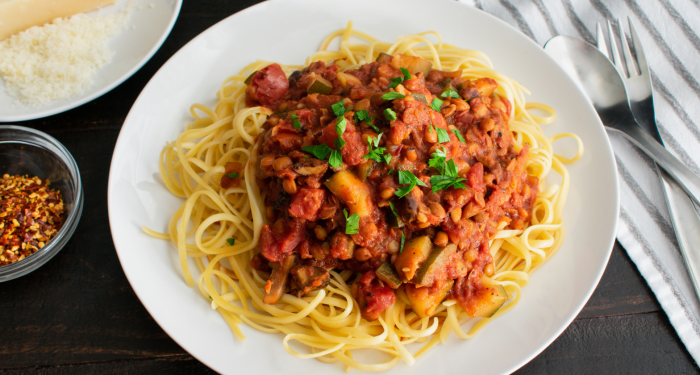
A single can can become pasta sauce, tomato soup, shakshuka-style base, a stew starter, or the liquid for Mexican rice. You can stretch them with water and punch up the flavor with onion, garlic, oregano, and a pinch of sugar. You can blend them smooth or leave them chunky. You can make a cheap meal feel layered—bright, tangy, warm.
Parents who rely on canned tomatoes know how to build flavor without spending much. Brown the onions until they smell sweet. Add tomato paste and let it darken—those extra sixty seconds change the whole pot. Deglaze with a splash of vinegar if wine isn’t in the budget. These are small decisions that add up to “wow, this tastes like a restaurant.”
Also, tomatoes teach the magic of the pantry. Fresh is great. Shelf-stable is survival. Having a few cans on hand is the difference between “we’ll figure it out later” and “dinner in twenty.”
6) Peanut butter
You saw this one coming.
Peanut butter is protein, fat, and childhood. It made school lunches happen when there wasn’t much else. It thickened sauces. It turned oatmeal into something that actually kept you full.
On the cheap, it becomes satay-style sauce: peanut butter, soy sauce, a spoon of brown sugar, a squeeze of lime, garlic, and hot water. Pour that over noodles and frozen veggies and you’ve got a dinner that hits every pleasure button—salty, sweet, creamy, spicy—without wrecking the budget.
If your parents pulled peanut butter at 6 p.m. when everyone was hungry and there was no time or money, you learned a bigger lesson: done is better than perfect. Sandwiches now beat takeout later. Feeding people beats impressing people.
7) Oats
Oats are the sleeper hit of the working-class kitchen.
They’re pennies per serving, versatile, and sneaky healthy. Morning oatmeal with cinnamon and a banana. Baked oatmeal squares you can cut and freeze. Oat flour pancakes. Oats tossed into veggie burgers to help them hold. Oats blitzed with water for DIY oat milk when the carton ran out and the next paycheck was three days away.
We had “everything oatmeal” on heavy rotation. Whatever fruit was bruised, whatever nuts were left in the jar, a spoon of jam from the back of the fridge. It was hot and sweet and shaped to what we had, not what we wished we had. That flexibility sits with me still.
Oats teach thrift without shame. You can feed people well on a small budget and not apologize for it.
What these ingredients really say
None of these are glamorous.
All of them are generous.
When money is tight, you choose ingredients that don’t quit. You learn to love repetition because repetition keeps you fed. You get good at stretching flavor: browning onions, toasting spices, finishing with acid. You care more about full bowls than perfect Instagram shots.
From a psychology angle, this approach builds what researchers would call “resourcefulness”—the ability to do more with less, to plan, to adapt. I just call it love with a grocery list.
How to cook this way now (even if your budget is bigger)
You don’t have to be broke to honor the wisdom. In fact, cooking this way on purpose—more plants, more pantry, more planning—can make life calmer and healthier.
Here’s a simple, old-school-to-modern template for a week:
- Big pot, big base. Make a pot of beans and a pot of rice on Sunday. Salt them properly.
- Two sauces, two moods. Tomato-based (canned tomatoes + onion + garlic). Peanut-based (peanut butter + soy + lime).
- One “forever” veg. A head of cabbage or a sack of carrots. Slice half raw for slaw, cook the rest.
- Potato night. Sheet-pan wedges or smashed potatoes with a spice mix.
- Oat mornings. Batch a baked oatmeal or prep overnight oats.
Rotate the combinations. Beans + rice + slaw. Noodles + peanut sauce + cabbage. Potatoes + tomato stew. Oats + fruit + peanut butter. You can feed a family, reduce food waste, and spend more evenings talking than chopping.
The bottom line
If these ingredients shaped your childhood, you weren’t deprived—you were taught. You learned that care can be measured in simmer time and second helpings. You learned that ingenuity can live in the pantry. And you learned that a full table, no matter the menu, is one of the clearest ways a family says, “You belong here.”
If You Were a Healing Herb, Which Would You Be?
Each herb holds a unique kind of magic — soothing, awakening, grounding, or clarifying.
This 9-question quiz reveals the healing plant that mirrors your energy right now and what it says about your natural rhythm.
✨ Instant results. Deeply insightful.