Discipline is a series of friendly decisions that keep your life deliciously simple.
If you’ve ever found yourself enjoying a task most people avoid, that’s not weird—it’s a flex.
In my twenties, I ran on the adrenaline of luxury F&B, where a quiet dining room could turn into a storm of ticket machines and clattering pans in sixty seconds.
What saved us wasn’t brute force.
It was discipline disguised as little chores: Labeling a container, wiping a counter, folding a napkin just so.
Outside the kitchen, those same “boring” moves are why your life flows when other people feel stuck in molasses.
Here are six chores that, if you secretly enjoy them, are dead giveaways you’re more disciplined than people realize.
1) Meal prep without making it your personality
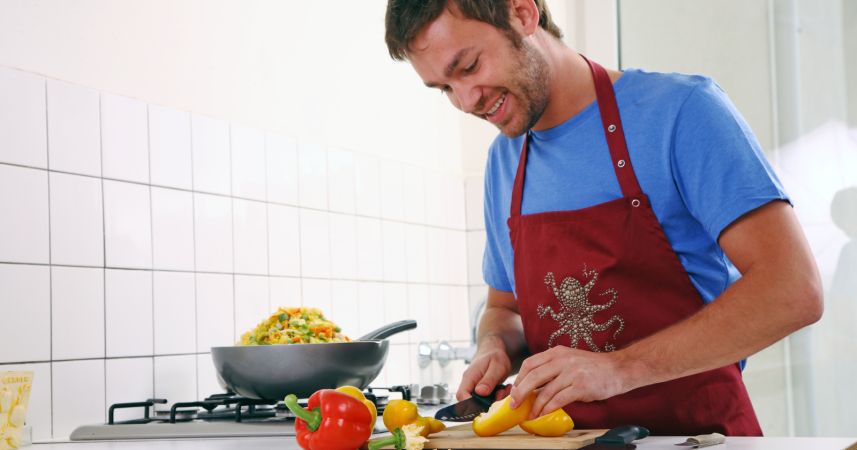
Let’s start with the obvious one: If you actually like chopping veggies on a Sunday and portioning out grains, you’re playing life on easy mode.
In the industry, we call it mise en place—everything in its place.
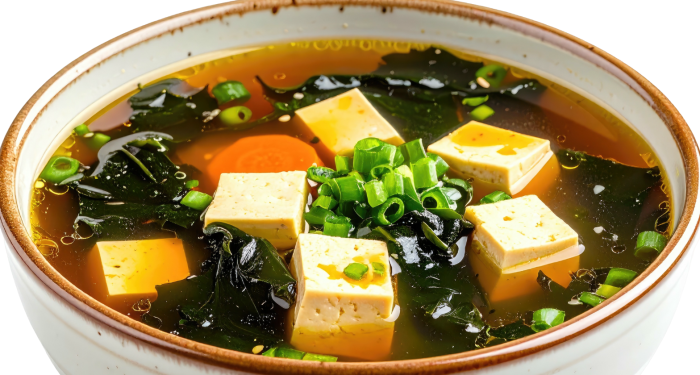
At home, it’s roasted sweet potatoes, a pot of quinoa, a jar of lemon-tahini dressing, maybe a tray of spiced chickpeas and some marinated tofu.
I’m not vegan, but plant-forward prep is my default because it scales: Versatile, affordable, nutrient-dense, and fast to assemble after a long day.
What’s really happening here? You’re reducing friction.
When you pre-portion lunches or have a base ready for dinner, you remove the decision tax at 7 p.m., which is when willpower is at its lowest.
James Clear talks about identity-based habits—do the action that a healthy, organized person would do, and your identity starts catching up.
Meal prep is that in Tupperware form.
2) Doing dishes while the pan is still warm
Here’s an unglamorous confession: I love washing a pan while it still hums with heat.
There’s a satisfying sizzle, the fond releases, and five minutes later my sink looks like I never cooked.
If you get a kick out of “clean as you go,” that’s not neurotic; it’s strategic.
Back-of-house runs on micro-resets.
You break eggs, you wipe; you finish a station, you fold a fresh side towel.
Those tiny resets prevent mess from compounding into a meltdown right when orders spike.
At home, this habit kills two birds.
First, it keeps your kitchen usable, which makes cooking more frequent and healthier by default.
Second, it reduces visual noise.
Mess is a cognitive load.
You don’t realize how much it drags your mood until the counter is empty and your brain suddenly sighs.
3) Keeping a ruthlessly tidy fridge (with labels)
Ever open your fridge and know exactly what to eat in ten seconds?
That’s not luck—that’s inventory discipline.
In fine dining, a clean walk-in is sacred as everything labeled and dated.
FIFO—first in, first out—so, nothing hides.
At home, I mirror the same system with clear bins and cheap masking tape plus a Sharpie.
Leftovers get a date, sauces get a name, and produce gets a zone.
If you enjoy a five-minute weekly fridge reset—wiping shelves, corralling jars, tossing the mystery tub—you’re quietly doing advanced life management.
In the end, you’re reducing food waste, which saves money and guilt, and you’re designing your environment so good choices are effortless.
4) Closing the kitchen like a pro every night
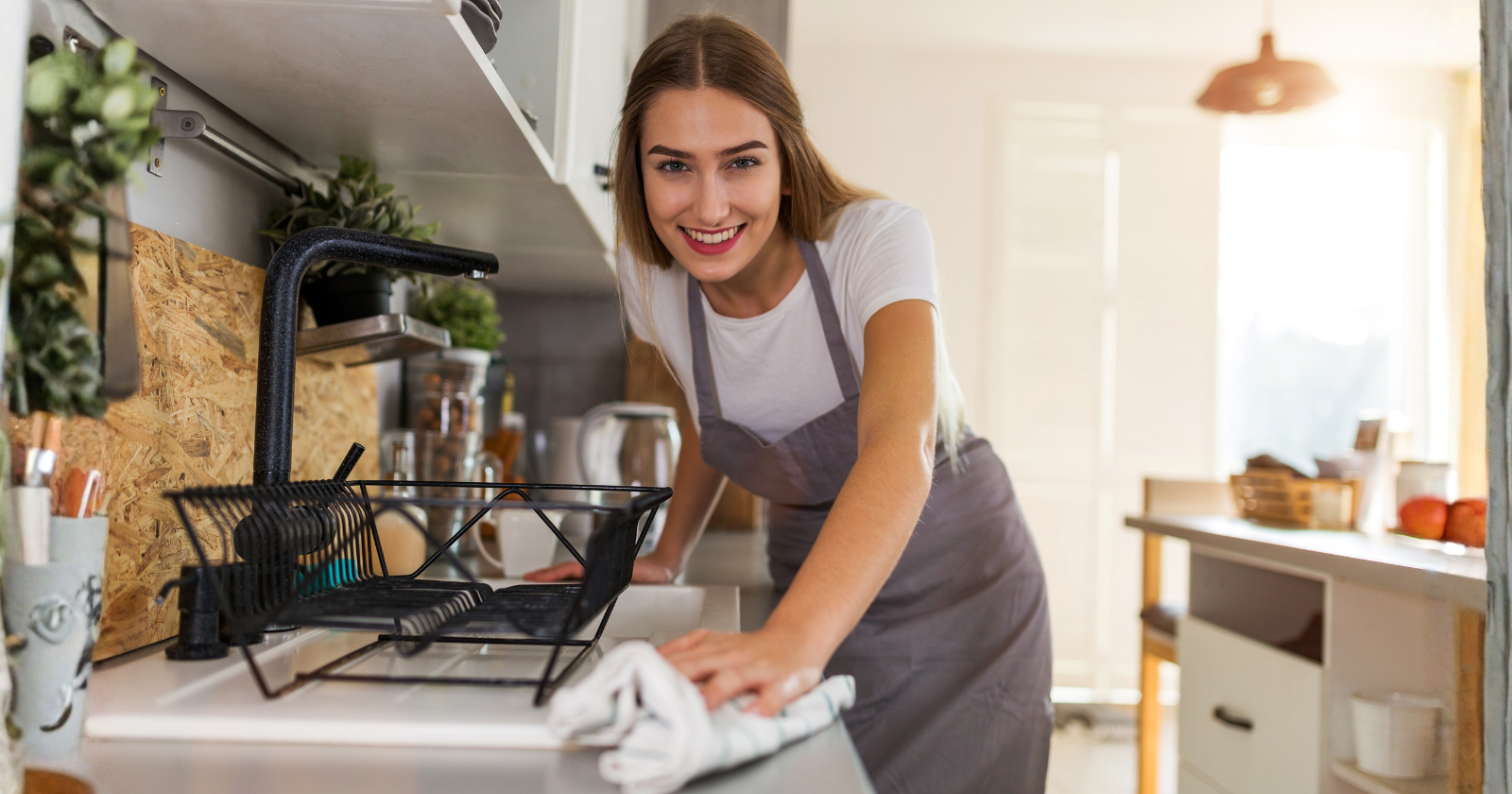
There’s a ritual I brought home from restaurants called “the close.”
If you enjoy ending the day by resetting your kitchen—wiping counters, sweeping the floor, loading the dishwasher, soaking what needs soaking—you’re cultivating calm on purpose.
Why it matters: Mornings are decision-heavy.
When you wake to a blank counter and an empty sink, you’re more likely to scramble eggs, blender a smoothie, or slice fruit instead of doom-scrolling.
You’re also less likely to grab a sad pastry on the way to work because your kitchen feels inviting and ready.
In service, the close is non-negotiable.
You leave the station better than you found it, with a checklist: wrap proteins, label pans, sanitize surfaces, refill salt, fold towels.
At home, my list is simpler but just as consistent: Dishes done, surfaces wiped, kettle filled, coffee beans portioned, compost out, and floors quick-swept.
People think discipline is willpower, but it’s mostly environment.
A nightly close is a gift from you-yesterday to you-tomorrow.
You’re telling your future self, “I’ve got your back.”
5) Folding laundry the same day it dries
What does laundry have to do with food? More than you’d think.
In luxury F&B, fabric is part of the experience—pressed linens, crisp aprons, polished server jackets.
When your uniform is immaculate, you move differently.
You respect your work because you look like someone who respects their work.
At home, same rule.
If you secretly love snapping a fitted sheet into place or stacking T-shirts into neat little “file folds,” you’re sending yourself a signal: I finish things—and finishing is a skill.
It leaks into everything—meal prep, workouts, inbox zero, and the way you keep promises to yourself.
There’s also the systems angle.
When clean gym gear is folded and ready, workouts get easier to start; when aprons are hung by the stove, cooking feels like stepping into the role instead of improvising with random T-shirts you’re willing to stain.
6) Tracking groceries and running a simple home “inventory”
Lastly, if you enjoy maintaining a running grocery list and a loose inventory of what’s on hand, congratulations—you’re the logistics manager of your life.
Every restaurant has a par sheet: The minimums you need on hand to run smoothly.
Too much inventory and cash gets stuck on shelves, too little and you 86 menu items.
At home, the stakes are smaller but the dynamics are the same.
I keep a notes app list that’s always open for staples—oats, olive oil, tofu, greens, coffee, frozen berries, almond butter, canned tomatoes, beans, broth.
When I run low, it gets a tick.
Before shopping, I do a two-minute sweep of fridge, pantry, and freezer.
I “shop the house” first, then fill gaps.
Impulse buys drop because the plan is already set, but there’s still room for spontaneous joy—seasonal fruit, a new spice, the artisanal bread that smells like a Sunday morning.
Here’s the part people miss: Tracking your food is also tracking your goals.
If you’re cooking more whole foods this month, your receipts will show it; if you’re trying to reduce food waste, your compost bin and your bank account will report back.
And if you love hosting, an inventory habit means you can throw together a casual mezze board or rice-bowl bar at the drop of a hat.
The best side effect? Confidence.
You start to trust that Future You will have what you need when you need it.
That trust is discipline’s favorite cousin.
The bottom line
You don’t need a color-coded life or a personality built around hustle; you just need a handful of small chores you actually enjoy—and the willingness to keep doing them when nobody is watching.
Enjoyment matters—when a task feels good, you repeat it.
Repetition is where discipline lives.
In kitchens and in life, the people who quietly win aren’t always the loudest hustlers.
They’re the ones who wipe the counter without being asked, label the container without rolling their eyes, and fold the shirt because folded things make mornings easier.
If any of these chores give you a secret hit of satisfaction, lean in.
That’s your inner ops manager raising a hand.
Protect that feeling, build tiny systems around it, and let it spill into the rest of your day.
When the day gets messy—as it will—remember the close.
Reset the space, refill the kettle, and prep tomorrow’s first five minutes.
Discipline is a series of friendly decisions that keep your life deliciously simple.
Just launched: Laughing in the Face of Chaos by Rudá Iandê
Exhausted from trying to hold it all together?
You show up. You smile. You say the right things. But under the surface, something’s tightening. Maybe you don’t want to “stay positive” anymore. Maybe you’re done pretending everything’s fine.
This book is your permission slip to stop performing. To understand chaos at its root and all of your emotional layers.
In Laughing in the Face of Chaos, Brazilian shaman Rudá Iandê brings over 30 years of deep, one-on-one work helping people untangle from the roles they’ve been stuck in—so they can return to something real. He exposes the quiet pressure to be good, be successful, be spiritual—and shows how freedom often lives on the other side of that pressure.
This isn’t a book about becoming your best self. It’s about becoming your real self.