While society often portrays aging as a gradual dimming of life's spark, the most vibrant septuagenarians have discovered daily rituals that make their later years some of their most luminous—and it has nothing to do with luck or perfect health.

Add VegOut to your Google News feed. 
Last week, while waiting for my prescription at the pharmacy, I watched a woman who must have been in her eighties strike up a conversation with everyone in line.
She wasn't just making small talk; she was genuinely delighted by each person's story.
When she left, the entire waiting area seemed brighter.
It reminded me that joy at any age, but especially after 70, is cultivated through daily practices that keep the spirit not just alive, but thriving.
After teaching high school for 32 years and now writing about aging gracefully, I've had the privilege of observing and learning from some of the most vibrant septuagenarians and octogenarians.
What sets them apart is the small, intentional things they do every single day.
1) They greet the morning with intention, not obligation
Have you ever noticed how differently a day unfolds when you choose to wake up rather than being jolted awake by necessity? The most joyful older adults I know treat their mornings as sacred time.
I learned this from watching my grandmother, who survived the Depression yet still found joy in the simplest morning rituals.
She'd sit with her coffee, watching the birds, completely present in that moment.
I've adopted this practice myself, waking naturally at 5:30 AM and spending that first hour in silence with my tea and journal.
There's something profoundly peaceful about greeting the day on your own terms, before the world starts making its demands.
This is about claiming those first moments of consciousness for yourself.
2) They move their bodies with gratitude, not guilt
Movement after 70 looks different than it did at 30, and that's perfectly fine.
The joyful elders I know have made peace with this.
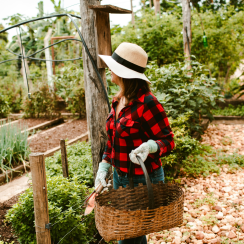
They walk because their legs can still carry them, stretch because their muscles still respond, garden because their hands can still create beauty.
Every evening, regardless of weather, I take my walk around the neighborhood.
Sometimes it's brisk, sometimes it's more of a shuffle, but it's always mine.
One neighbor, who just turned 75, told me she dances in her kitchen every morning while her coffee brews.
"My knees complain," she laughed, "but my heart sings louder."
3) They practice selective engagement with the world
Do you find yourself exhausted by the constant stream of news and information? The happiest seniors I know have mastered the art of staying informed without becoming consumed.
They choose their battles, their causes, and their sources of information carefully.
They understand what Rudá Iandê captures brilliantly in his book, Laughing in the Face of Chaos: "Real power lies in the ability to break free from our ideological bubbles and build bridges where others see walls."
I just finished reading this book, and his insights reminded me that wisdom means knowing when to engage and when to protect your peace.
The elders who maintain their joy don't isolate themselves from the world, but they've learned to filter it through the lens of what truly matters.
4) They maintain purposeful connections
Loneliness can be the thief of joy at any age, but after 70, maintaining connections requires more intention.
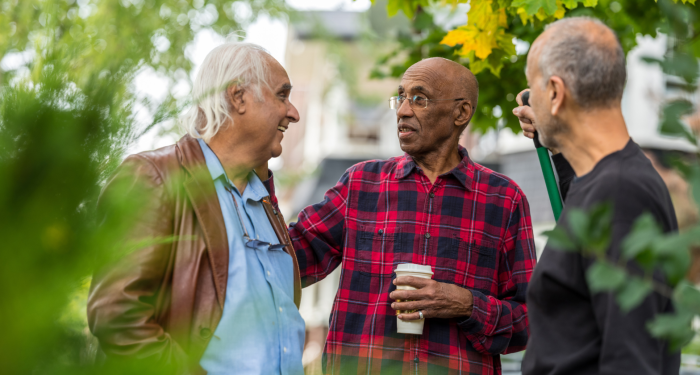
The joyful seniors I know don't wait for others to reach out; they're the ones making the calls, sending the cards, planning the lunches.
Every other Saturday, I take my grandchildren to the library.
It's about creating regular, meaningful touchpoints.
These aren't obligatory visits but adventures we all anticipate.
The key is consistency and genuine presence.
5) They embrace imperfection with grace
There's a liberation that comes with age, a letting go of the exhausting pursuit of perfection.
The most joyful older adults have learned to laugh at their mistakes, forgive their limitations, and celebrate their quirks.
Recently, I tried to bake my late husband's favorite cake for a family gathering.
It came out lopsided and slightly burnt on one side.
Twenty years ago, I might have been mortified.
Now? We laughed, ate it anyway, and it became part of our family lore.
This acceptance extends beyond burnt cakes to deeper truths about being human.
6) They cultivate curiosity over certainty
The most vibrant seniors I know are still asking questions, still wondering, and still open to changing their minds.
They read widely, try new foods, attempt new technologies (however clumsily), and most importantly, they listen to younger generations without immediately dismissing different perspectives.
This curiosity keeps the mind flexible and the spirit young.
It's not about keeping up with every trend but maintaining that sense of wonder about the world and its possibilities.
7) They give thanks deliberately and specifically
Gratitude is a daily practice.
Since my husband passed, I've written in my gratitude journal every evening before bed.
But here's what makes the difference: specificity.
Not just "grateful for family" but "grateful for the way my granddaughter's eyes light up when she discovers a new book character."
This practice reshapes how you experience your entire day.
You start noticing things to be grateful for because you know you'll be writing them down.
It's like having a treasure hunt where the prizes are moments of beauty, kindness, and connection.
8) They share their stories without apologizing
Have you noticed how some older adults preface their stories with "You've probably heard this before" or "I know I'm rambling"? The joyful ones don't do this.
They understand that their stories, their experiences, and their wisdom are gifts to be shared.
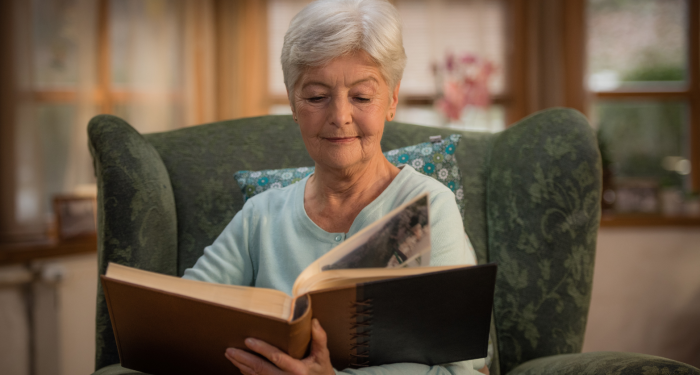
They've learned that their narratives matter, that in sharing them, they're passing on not just information but connection, history, and meaning.
Moreover, they tell their stories with the confidence that comes from knowing they've lived something worth sharing.
9) They rest without guilt
Perhaps the most revolutionary act for anyone over 70 is to rest without feeling they need to justify it.
The joyful elders I know have given themselves permission to nap, to sit and watch birds, to do absolutely nothing productive and feel perfectly fine about it.
They understand that rest isn't laziness.
They've earned the right to define their own productivity, and sometimes the most productive thing you can do is absolutely nothing at all.
Final thoughts
Joy after 70 is about choosing, every single day, to engage with life on your own terms.
These nine practices aren't magic formulas but gentle invitations to approach each day with intention, gratitude, and an open heart.
The most joyful seniors I know understand a fundamental truth: Keeping your spirit alive is about adding life to your years.