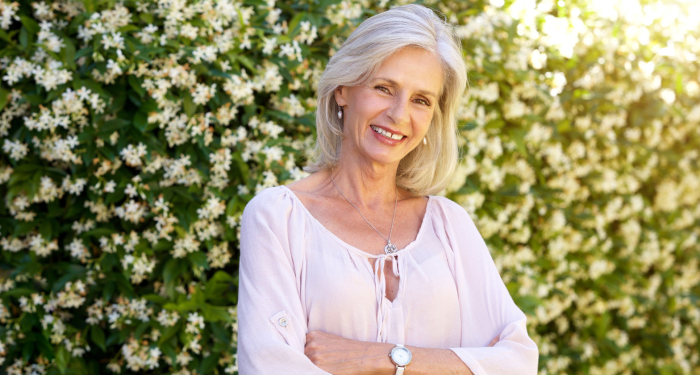
Before their morning coffee even touches their lips, the most vibrant 70-somethings follow a sacred 20-minute ritual that costs nothing but transforms everything about how they age.

Add VegOut to your Google News feed. 
The morning light filters through my bedroom curtains at 5:30, painting soft gold stripes across the hardwood floor. No jarring alarm breaks the silence, just the gentle rhythm of my own breathing and the distant call of mourning doves. At 72, I've discovered that the secret to vitality isn't found at the bottom of a coffee cup, but in those precious moments before the first sip.
After spending time with the healthiest seniors in my hiking group and widow's support circle, I've noticed we all share similar morning rituals. These aren't complicated wellness trends or expensive supplements. They're simple, intentional acts that honor our bodies and minds before caffeine enters the equation.
1) Wake up naturally without an alarm
I haven't set an alarm in eight years. My body wakes at 5:30 AM like clockwork, a rhythm established after decades of early mornings preparing lessons. The healthiest seniors I know all share this trait. Our bodies wake when ready, not when forced.
After my knee replacements at 65 and 67, I learned that honoring my body's natural rhythms was essential for healing. Those pre-dawn moments of consciousness, lying still and feeling grateful my body woke up again, set the tone for everything that follows. There's something profound about trusting your internal clock, about knowing your body still remembers its own wisdom.
2) Spend ten minutes in complete stillness
Before my feet touch the floor, I lie perfectly still. Not scrolling phones or planning the day, just being. I learned this after my second husband's death when mornings felt like drowning. My grief counselor suggested starting each day with stillness, not activity.
Now I use these minutes to notice my breathing, feel my heartbeat, acknowledge any pain without judgment. My arthritis speaks first in the morning, and I've learned to listen without immediately reaching for medication. This stillness isn't empty. It's full of intention, full of presence, full of the radical act of simply existing without producing or performing.
3) Drink a full glass of room temperature water
I keep water on my nightstand, not cold from the refrigerator but room temperature, the way my Italian grandmother taught me. At 72, I understand dehydration differently than I did at 40. My body doesn't signal thirst the way it used to.
During my mother's Alzheimer's decline, I saw how dehydration worsened confusion. Now I drink water first thing, before my body asks for it. My hiking group friends all do the same. We've learned through creaky joints and foggy mornings that hydration isn't just about quenching thirst. It's about lubricating the machinery of aging bodies, clearing the cobwebs from sleeping minds.
4) Stretch in bed before standing
Have you noticed how cats wake up? That luxurious, full-body stretch that seems to last forever? That's how I start my mornings now. I point and flex my toes, rotate my ankles, gently rock my knees side to side. All before my feet hit the floor.
After two knee replacements, I learned that morning stiffness isn't inevitable if you ease into movement. My physical therapist called it "waking up the joints," but I think of it as greeting my body parts like old friends, checking in on how everyone's doing today. These stretches aren't about flexibility or fitness. They're conversations with my body, negotiations for another day of movement.
5) Practice gratitude before getting up
Before rising, I name three things I'm grateful for. Not in a journal yet, just whispered into the dawn. Started this after surviving my breast cancer scare at 52. Sometimes it's big things: my children's health, my grandchildren's laughter. Often it's smaller: my garden survived the frost, my hands can still hold a pen despite arthritis.
This practice replaced my old morning habit of cataloging worries. At my age, I've learned that what you feed grows, so I feed gratitude first. It's remarkable how this simple act shifts the entire day's trajectory, like adjusting the angle of a sail catches different wind.
6) Stand slowly and mindfully
Getting out of bed isn't the quick spring it once was, and that's become a gift. I sit on the bed's edge, feet flat on the floor, waiting for my blood pressure to adjust. Too many friends have fallen from morning dizziness.
I learned this patience during recovery from knee surgery when rushing meant risking everything. Now I use these transition moments to set intentions. My widow's support group calls it "the pause that prevents the fall," both literally and metaphorically. Standing becomes a conscious act of choosing to engage with another day.
7) Open windows or step outside for fresh air
Before coffee, before anything else, I open my bedroom window or step onto my porch, regardless of weather. Those first breaths of morning air wake me more than caffeine ever could. Started this during my chronic insomnia years when evening walks helped me sleep.
I discovered morning air hits differently. It carries possibility. During my husband's Parkinson's years, these moments outside reminded me there was a world beyond caregiving. Now at 72, I know fresh oxygen to the brain matters more than most supplements people buy.
8) Do five minutes of gentle movement
Not exercise, not yoga yet, just movement. I roll my shoulders, gently twist my spine, march in place beside my bed. After teaching for 32 years, standing all day, I learned that morning movement determines whether my hips will cooperate later.
My hiking group laughs about our "morning creaks," but we all do this. Since my arthritis diagnosis, I've learned the difference between good pain (muscles waking) and bad pain (joints warning). These movements are promises to my body that yes, we're still doing this, we're still moving through the world together.
9) Set an intention, not a to-do list
Before reaching for coffee, I set one intention for the day. Not a goal, not a task, but an intention about how I want to be. Today: patient with my granddaughter learning to drive. Tomorrow: present during my friend's chemotherapy.
As I mentioned in my previous post about finding purpose after 65, Rudá Iandê's newly released book "Laughing in the Face of Chaos" reinforced this practice for me. His insight that "emotions are not barriers, but profound gateways to the soul—portals to the vast, uncharted landscapes of our inner being" reminded me that intentions honor our emotional landscape rather than our productivity metrics. After 32 years of lesson plans and rigid schedules, I've learned that intentions flex while to-do lists break.
Final thoughts
These nine practices take maybe twenty minutes total, yet they've transformed my seventies into years of vitality rather than decline. They require no special equipment, no gym membership, no complicated instructions. Just presence, patience, and the radical act of putting your wellbeing before your morning caffeine.
What would happen if you tried just one of these tomorrow morning? Your 70-year-old self might thank you for starting now.