While their adult children circle with apps, spreadsheets, and offers to "make life easier," millions of Boomers are politely (and not so politely) refusing help with everyday tasks that they've been handling just fine for decades—and the reasons why might surprise you.

Add VegOut to your Google News feed. 
"Mom, just let me set up the automatic bill pay for you. It'll take five minutes."
I watched my daughter's fingers hover over her phone screen, ready to solve what she saw as a problem. But here's the thing: paying my bills isn't a problem. It's something I've been doing successfully for decades, thank you very much. And like many of my generation, I intend to keep doing it myself.
This little exchange happens in millions of homes across the country, where well-meaning adult children bump up against their parents' fierce determination to maintain independence.
After years of teaching our children to be self-sufficient, we Boomers aren't quite ready to hand over the reins, even when those same children are practically begging to help.
The irony isn't lost on me. I spent years teaching my two children how to balance checkbooks, cook from scratch, and handle their own affairs. Now they're successful adults who want to return the favor, and I find myself politely (and sometimes not so politely) declining their offers. Sound familiar?
1) Managing their own finances and paying bills
There's something deeply satisfying about sitting down with my checkbook once a month, writing out each payment, and recording it in my register. Yes, I know online banking exists. Yes, I've heard about automatic payments. But this ritual connects me to my money in a tangible way that clicking buttons on a screen never could.
My son recently discovered I still drive to the bank to deposit checks. The look on his face! You'd think I'd told him I was churning my own butter. But here's what he doesn't understand: that trip to the bank isn't just about the deposit.
It's about chatting with the teller who knows my name, getting out of the house, and maintaining a routine that's served me well for forty years.
2) Driving themselves everywhere
"Let me drive you to your appointment," my daughter offers whenever she visits. She means well, but giving up the driver's seat feels like giving up freedom itself. That car in my driveway represents possibilities, spontaneity, and the ability to change my mind about where I'm going halfway there.
We Boomers grew up with cars as symbols of independence. Getting your license at sixteen was a rite of passage more significant than any graduation. Now, even when our reflexes might not be quite what they were, the thought of handing over the keys feels like admitting defeat.
3) Maintaining their own homes and yards
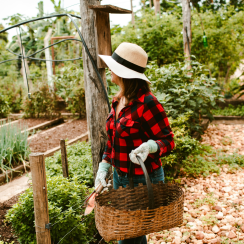
Every spring, I'm out in my English cottage garden, kneeling on a foam pad (okay, I've made some concessions), tending to plants I've nurtured for three decades. My children see me struggling to stand up afterward and immediately offer to hire a gardener.
They don't understand that this garden isn't just about flowers; it's about continuity, purpose, and the deep satisfaction of dirty fingernails.
The same goes for household repairs. YouTube has become my unexpected ally in maintaining my independence. Last month, I fixed a leaky faucet by following a video tutorial. Could my son have done it faster? Probably. But the pride I felt when that drip finally stopped was worth every minute of frustration.
4) Cooking all their meals from scratch
Do you remember when cooking wasn't optional? When takeout meant Chinese food once a month if you were lucky? We Boomers do, and many of us still insist on preparing every meal ourselves, even when our kids offer to bring dinner or sign us up for meal delivery services.
There's a meditation in chopping vegetables, a comfort in following recipes I've memorized over decades. When my daughter suggests meal kits or prepared foods, she's offering convenience. But I'm not looking for convenient; I'm looking for familiar, for control, for the simple pleasure of creating something with my own hands.
5) Shopping for groceries in person
"Just use the grocery app," my son says, as if it's the most obvious solution in the world.
But he doesn't understand the social aspect of my weekly shopping trips. I know which checkout clerk's daughter just started college, which produce manager picks the best melons. These interactions matter more than the convenience of having someone leave bags on my doorstep.
Besides, how can I trust someone else to choose my avocados? To know that I prefer my bananas slightly green? Shopping isn't just about acquiring food; it's about making choices, staying engaged with the community, and yes, getting those steps in.
6) Managing their own medical appointments
Recently, my daughter offered to "coordinate" my medical care. She had spreadsheets. Color-coded calendars. A system.
But managing my health appointments gives me agency over my own body and medical decisions. I know which questions to ask, which symptoms matter, and which doctors I trust.
There's also a privacy element here that our children don't always appreciate. Some conversations with doctors are personal, even from family. Maintaining control over these appointments means maintaining dignity and autonomy over our own health narratives.
7) Handling their own technology
Here's where I'll admit to some struggle. Technology moves at a pace that can feel overwhelming.
But instead of letting my kids take over my phone or computer, I enrolled in classes at the senior center. It took longer than having my grandchildren fix things for me, but now I understand what I'm doing instead of just following orders.
8) Organizing their own social lives
"I'll set up a Facebook account for you so you can stay connected," my daughter offered last year. But I prefer my phone calls, my handwritten cards, my in-person coffee dates. These methods might seem outdated, but they're intentional.
They require effort, which makes them meaningful.
Our generation built friendships through shared experiences, not shared posts. We don't need apps to remind us of birthdays because we have address books with dates carefully noted. This isn't stubborness; it's preference.
9) Planning their own travel
My children nearly had a collective panic attack when they discovered I still book flights by calling the airline. "It's so much easier online!" they insist. But what they call easier, I call impersonal and risky. What if I click the wrong button? What if I need to change something?
When I plan travel my way, talking to a real person, getting paper tickets when possible, I feel in control of the journey. It might take longer, but I'm not in a rush. Time is something many of us Boomers finally have in abundance.
Final thoughts
Here's what our children might not fully grasp yet: every task we insist on doing ourselves is a small victory against the narrative that aging means inevitable dependence. We're not being difficult (well, not entirely). We're being human, clinging to the independence we worked so hard to achieve and maintain.
That said, I've learned that sometimes accepting help isn't defeat; it's wisdom. When my knee problems made gardening genuinely dangerous, I finally let my son build raised beds.
The compromise let me keep gardening while acknowledging my limitations. Perhaps that's the real lesson here: finding the balance between fierce independence and graceful acceptance, knowing when to hold tight and when to let go.
If You Were a Healing Herb, Which Would You Be?
Each herb holds a unique kind of magic — soothing, awakening, grounding, or clarifying.
This 9-question quiz reveals the healing plant that mirrors your energy right now and what it says about your natural rhythm.
✨ Instant results. Deeply insightful.
Marlene Martin
Marlene is a retired high school English teacher and longtime writer who draws on decades of lived experience to explore personal development, relationships, resilience, and finding purpose in life’s second act. When she’s not at her laptop, she’s usually in the garden at dawn, baking Sunday bread, taking watercolor classes, playing piano, or volunteering at a local women’s shelter teaching life skills.
More Articles by Marlene