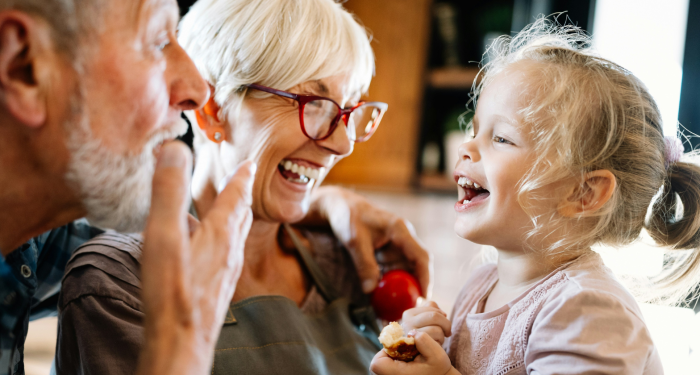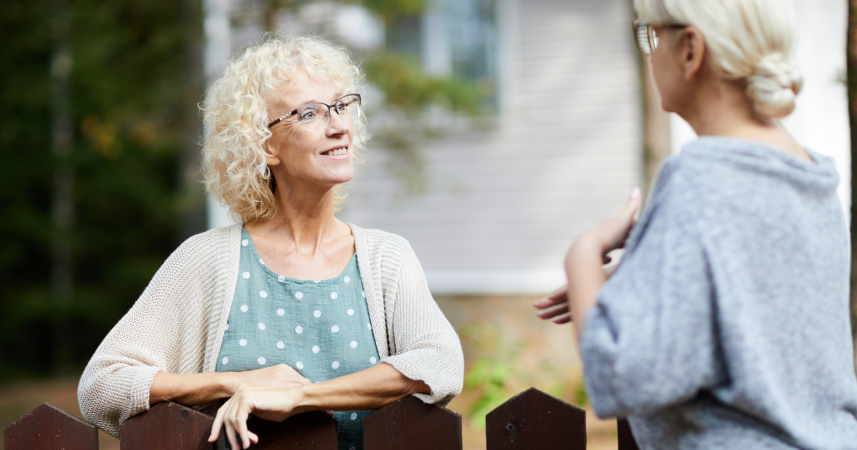
While millennials perfect the art of avoiding eye contact in hallways and Gen Z documents their lives for strangers online, the Boomer generation quietly mastered something we desperately need: the radical act of actually caring about the people who live next door.

Add VegOut to your Google News feed. 
The other morning, I watched a twenty-something neighbor hurry past Mrs. Chen without noticing she was struggling with her groceries. Twenty minutes later, my seventy-year-old friend from down the street not only helped carry those bags but stayed to chat about Mrs. Chen's new grandbaby.
It got me thinking about the invisible threads that used to hold neighborhoods together, and how my generation might be the last to remember what that really looked like.
Growing up with a mailman father who knew everyone in town by name, I learned early that community isn't just about living near people. It's about living with them, through their joys and struggles, in ways that seem almost foreign now.
While technology has given us incredible ways to connect globally, we've lost something precious in our own backyards. Here are nine neighborhood habits from the Boomer generation that deserve a comeback.
1. They actually know their neighbors' names
When was the last time you knew the names of everyone on your street? Not just a vague recognition, but their actual names, their kids' names, maybe even their dog's name?
Boomers didn't just wave politely; they stopped to introduce themselves when someone new moved in. They remembered details about people's lives because those details mattered.
I've lived in the same house for decades, and I make it a point to learn about new neighbors within their first week. It takes five minutes to walk over with a simple welcome, but that small gesture opens a door that might otherwise stay closed for years.
You'd be amazed how much safer and warmer a street feels when you can call out "Morning, Robert!" instead of awkwardly avoiding eye contact.
2. They borrow and lend without hesitation
Remember when running out of sugar meant walking next door instead of driving to the store? Boomers built entire relationships around borrowed cups of flour and shared lawnmowers. This wasn't about being cheap or unprepared. It was about creating reasons to connect, building trust one small exchange at a time.
My Thursday morning coffee tradition with my neighbor started fifteen years ago when she knocked on my door needing vanilla extract for a cake.
We got to talking, I helped her frost it, and now we've shared over 700 cups of coffee together. That's 700 opportunities to support each other through life's ups and downs, all because we weren't too proud or too suspicious to ask for help.
3. They organize neighborhood gatherings
Boomers understood that community doesn't just happen; someone has to make it happen. They organized block parties, progressive dinners, and holiday celebrations. They weren't waiting for an app or a community manager to bring people together. They just did it.
Every year, I help organize our neighborhood block party. Yes, it's work. Yes, sometimes only half the people show up. But those who do come leave knowing their neighbors better, and kids grow up with memories of playing with the other children on their street.
These gatherings weave the social fabric that makes a neighborhood more than just a collection of houses.
4. They look out for each other's homes
Before Ring doorbells and security systems, Boomers had something better: neighbors who actually paid attention. They collected mail during vacations, noticed strange cars, and watered plants without being asked. This wasn't surveillance; it was caring.
When you know your neighbors are watching out for you, you sleep better. When you return the favor, you become part of something larger than yourself. This mutual protection creates a sense of belonging that no technology can replicate.
5. They share their knowledge and skills freely
Boomers grew up in an era when neighbors taught each other things. The retired mechanic helped you understand that weird engine noise. The grandmother who'd raised five kids showed you how to calm a colicky baby. Knowledge was currency, but it was freely given.
In our community garden, I've learned more about growing tomatoes from my older neighbors than from all the YouTube videos combined. But more importantly, I've learned their stories, their struggles with arthritis, their pride in their grandchildren. When we share our skills, we share ourselves.
6. They check in during tough times
When someone's spouse was in the hospital, Boomers didn't just send a text. They showed up with casseroles. They mowed lawns without being asked. They sat with people through grief and didn't need to fill every silence with words.
As Cheryl Strayed wrote, "Compassion isn't about solutions. It's about giving all the love you've got." My generation understood this instinctively. We didn't wait for people to ask for help because we knew that those who need it most rarely ask.
7. They participate in informal neighborhood watch
Without official meetings or Facebook groups, Boomers created networks of awareness. They knew which kids belonged where, recognized when something seemed off, and weren't afraid to speak up when necessary. This wasn't about being nosy; it was about creating safety through connection.
The little free library I started outside my home does more than share books. It's become a reason for neighbors to stop and chat, to mention they'll be away next week, or to share concerns about the speeding on our street. These informal touchpoints create a web of awareness that makes everyone safer.
8. They celebrate each other's milestones
Boomers acknowledged life's passages. They attended graduation parties for kids they'd watched grow up. They brought flowers for new babies and food for funerals. They understood that showing up for the big moments strengthened the bonds for all the ordinary days in between.
Do you even know when your neighbor's daughter graduates? Or when they're celebrating their 40th anniversary? These moments matter, and acknowledging them tells people they matter too.
9. They practice patience with different generations
Perhaps most importantly, Boomers bridged generational gaps within neighborhoods. They helped young families and checked on elderly neighbors. They understood that a healthy neighborhood needs all ages, all perspectives, all types of families.
Working in the community garden alongside people from twentysomethings to octogenarians has taught me that every generation brings something valuable. The key is creating spaces where these gifts can be shared.
Final thoughts
These aren't outdated customs from a simpler time. They're timeless practices that create the social infrastructure we all need, whether we realize it or not. You don't have to organize a block party tomorrow, but maybe you could start by learning one neighbor's name.
Maybe borrow that egg instead of driving to the store. These small acts of connection compound over time, creating neighborhoods where people don't just live next to each other but genuinely care for one another. That's a lesson worth learning, no matter what generation taught it.
What’s Your Plant-Powered Archetype?
Ever wonder what your everyday habits say about your deeper purpose—and how they ripple out to impact the planet?
This 90-second quiz reveals the plant-powered role you’re here to play, and the tiny shift that makes it even more powerful.
12 fun questions. Instant results. Surprisingly accurate.