After years of serving billionaire families at exclusive resorts, I discovered that the luxury items people sacrifice their financial stability for are actually dead giveaways that they've never experienced real wealth.

Add VegOut to your Google News feed. 
Remember that scene in The Devil Wears Prada where Andy walks into the office carrying a designer bag, thinking she's finally made it? I had a similar moment years ago, except mine happened in reverse.
I was serving dinner to a billionaire's family at a private resort, and his teenage daughter asked me about my watch.
It was a vintage Omega, the only luxury item I've ever really splurged on. "Nice watch," she said, then added something that stuck with me: "My dad says the people who really have money don't need to show it off."
That conversation changed how I see luxury. After spending years serving ultra-wealthy families, I learned to spot the difference between actual wealth and what I call "performance wealth."
You know the type: People who max out credit cards for logo-covered everything, thinking they're fooling someone.
Here's the thing: Real luxury whispers. It doesn't scream from every surface. And the items that used to signal wealth? Most of them just reveal you're trying too hard.
Let me walk you through nine "luxury" items that only impress people who've never experienced the real thing.
1) Designer logo belts
You've seen them everywhere. Those massive LV or Gucci buckles that practically need their own zip code. I once watched a genuinely wealthy client's son get teased by his friends for wearing one. "What are you, a billboard?" they laughed.
The ultra-wealthy people I've served don't need their belt to announce their bank balance. They're wearing handcrafted leather from some Italian artisan you've never heard of, because quality matters more than recognition.
When your belt buckle is bigger than your fist, you're not showing wealth. You're showing insecurity.
Think about it: Would you trust someone more if they quietly demonstrated competence, or if they constantly told you how competent they were? Same principle applies here.
2) Entry-level luxury cars with every badge and option
A base model Mercedes or BMW loaded with M-Sport badges and aftermarket chrome isn't fooling anyone who knows cars. One client I served regularly drove a 15-year-old Land Cruiser.
His garage at home? Three Ferraris and a vintage Porsche. But for daily driving, he chose reliability over recognition.
The desperate need to own a "luxury" brand, any luxury brand, at any cost, reveals more about your priorities than your prosperity.
I've seen people lease the cheapest BMW available just to have the badge, while truly wealthy individuals often drive Subarus or Toyotas because they just want something that works.
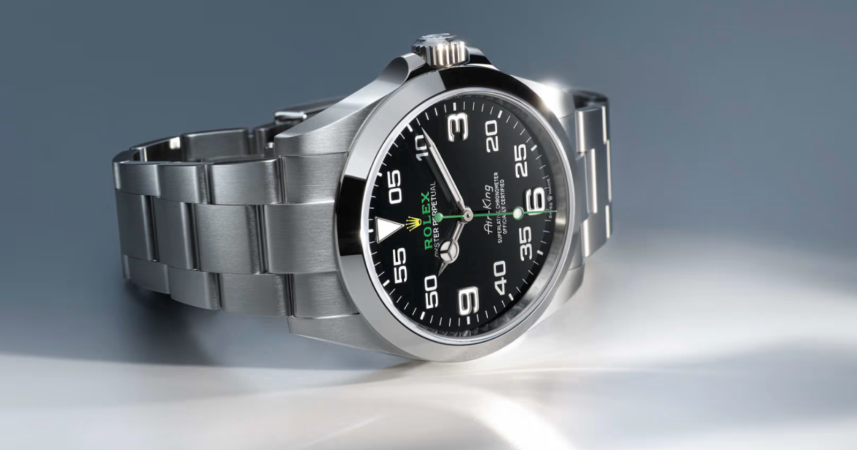
3) Fake or entry-level Rolexes
Nothing says "I want you to think I have money" quite like a fake Rolex or its entry-level cousin bought on maximum credit.
The wealthy collectors I've met? They're wearing Patek Philippe, A. Lange & Söhne, or sometimes just a simple Casio because they're timing something specific.
My vintage Omega gets more genuine compliments from people who actually know watches than any flashy new piece would. It tells a story. It has character. It wasn't bought to impress anyone.
The moment you buy a watch primarily for other people to see it, you've already lost the game.
4) Monogrammed everything
Louis Vuitton monogram luggage. Gucci monogram slides. Fendi monogram phone cases. When everything you own screams a brand name, you're not displaying wealth, you're displaying a desperate need for validation.
I once helped a genuinely wealthy family with their luggage. Plain black Rimowa cases, no logos, just quality aluminum that had clearly traveled the world.
Their wealth was in their experiences, not in making sure everyone at the airport knew they could afford designer luggage.
As Robert Greene writes in The 48 Laws of Power, appearing superior often makes you appear vain and insecure. True power, true wealth, doesn't need constant advertisement.
5) Bottle service at clubs
Spending $3,000 on a $40 bottle of vodka because it comes with sparklers and a show? That's not luxury, that's paying for attention.
The actually wealthy people I know? They're drinking wine from their own vineyards at private dinners you'll never hear about.
During my hospitality days, I watched groups blow monthly salaries on single nights out, trying to feel important. Meanwhile, the family that owned the resort would have quiet dinners, good wine, actual conversation.
They didn't need flashing lights to feel valuable.
6) First-class tickets bought at full price for short flights
Bragging about flying first class from New York to Boston? That's a two-hour flight. The truly wealthy either have their own planes or they understand value.
They'll fly economy for short hops and save the premium cabins for when it actually matters: international flights where the difference is significant.
I've served people who could buy the airline, and they've told me they often fly premium economy because first class on most domestic routes is just slightly bigger seats and free drinks.
They're not trying to prove anything to anyone in row 32.
7) Designer phone cases
A $500 phone case doesn't make you wealthy. It makes you someone who spent $500 on protecting a device you'll replace in two years.
The wealthiest tech executives I've met? They're using whatever case actually protects their phone, usually some $20 thing from Amazon.
When your phone case costs more than some people's entire phones, you're not displaying wealth, you're displaying poor financial judgment. Actual rich people got that way by understanding value, not by overpaying for plastic with a logo.
8) Expensive gym memberships you never use
That $300/month Equinox membership you visit twice a year isn't luxury, it's waste. The ultra-wealthy individuals I knew had personal trainers come to their homes, or they did simple workouts that required no equipment at all.
One billionaire I served told me he did push-ups and ran on the beach every morning. Total cost: Zero.
Paying for the image of health and wealth while not actually using the service? That's performance, not prosperity.
9) Overpriced "luxury" apartment buildings
Finally, those "luxury" apartments with fancy names and mediocre amenities, where you're paying 50% above market rate for a concierge you never use and a "spa" that's really just a small hot tub? That's not where actual wealthy people live.
They're in buildings you've never heard of, with no flashy marketing, where privacy and quality matter more than Instagram-worthy lobbies. Or they're in modest homes in excellent locations, because they understand that true luxury is about how you live, not how it looks to others.
Final thoughts
After years of observing true wealth versus performed wealth, I've learned that actual luxury is invisible to most people.
It's the custom-made shoes that look simple but fit perfectly. It's the assistant who handles everything so you never wait in line. It's the freedom to not care what anyone thinks about your choices.
The items on this list? They're shortcuts, attempts to buy status without earning it. They're what people think wealth looks like based on music videos and Instagram posts. But real wealth doesn't need to announce itself with logos and labels.
That teenage girl who commented on my watch taught me something valuable: The truly wealthy don't need you to know they're wealthy.
They're not trying to impress you. They're too busy living their actual lives, making decisions based on quality and personal preference rather than perceived status.
So next time you're tempted to buy something just because it might impress others, ask yourself: Am I buying this for me, or for them? Because if it's for them, you're not buying luxury. You're buying insecurity. And that's the most expensive purchase of all.