They are heavy, sturdy, and full of memories. Boomers hold onto them because they still work and always have. Estate sale buyers see something very different. Here are nine furniture pieces no one wants, even for free.
Spend enough time at estate sales and you start to notice a pattern.
There’s always one piece that the family is convinced will be the “big ticket item.” The thing they swear is solid wood, built to last, and definitely worth something.
And then it sits there all weekend.
That’s not because Boomers have bad taste.
It’s because furniture trends changed, homes got smaller, and buyers now care as much about convenience as they do about style.
Furniture can be emotional.
It holds memories. It feels like proof of a life well lived. But estate sale shoppers are not buying your memories.
They’re buying what fits, what moves easily, and what looks good in a space that probably has a robot vacuum.
Let’s talk about the pieces that often get ignored, even when the price drops to “just take it.”
1) Giant wall units and entertainment centers
These were built for tube TVs, VCRs, stacks of DVDs, and stereo equipment that could power a small concert.
Now most people hang a flat screen on the wall and call it a day.
Storage moved to streaming. Speakers got smaller. Wires got hidden.
A wall unit, meanwhile, still takes up an entire wall.
It also weighs a ton and tends to be awkward to move.
Estate sale buyers see it and immediately picture scratched floors, tight doorways, and a rental truck they did not plan to pay for.
Even if the craftsmanship is legit, it rarely matches modern spaces or modern habits.
2) Overstuffed floral sofas that swallow you whole
I grew up thinking these couches were peak comfort.
You could sink into one and disappear for hours.
The problem is that comfort is not the only thing buyers care about.
People want couches that look clean, feel fresh, and do not come with a mystery history.
Older sofas can carry odors, stains, sagging cushions, and fabrics that are hard to clean.
Floral patterns also feel dated to a lot of younger buyers, especially when the colors are bold and the shape is bulky.
Plus, nobody wants to haul a huge couch only to realize they need professional cleaning before they can sit on it without side eyeing it.
3) China cabinets and giant hutches
China cabinets were made for a time when “formal” was a normal part of life.
You hosted. You served courses. You had a set of dishes that came out for holidays and special dinners.
The cabinet was where you kept it all, polished and ready.
Now most people eat off everyday plates and call it a win if they sit at a table at all.
A lot of apartments and modern homes simply do not have room for a cabinet that exists mostly to display things.
They’re also heavy, often dark in tone, and hard to style unless your whole room leans traditional.
Estate sale shoppers usually pass because they want furniture that works hard, not furniture that asks to be admired from a distance.
4) Heavy wooden dining tables built for a family of ten
I respect these tables.
They’ve hosted decades of meals and conversations. They’re sturdy in a way that modern flat pack furniture just isn’t.
But most buyers today are not looking for a table that seats ten.
They’re looking for something that fits in a smaller dining area, maybe even a kitchen corner.
They want lighter silhouettes, slimmer legs, and tables that can expand when needed instead of permanently taking up maximum space.
There’s also the matching set issue.
Many Boomers feel the table has to stay with the chairs.
Buyers don’t always want the full set. They might want two chairs. Or none. Or a table they can mix with modern seating.
When it’s all bundled together, it becomes an all or nothing decision.
Most people choose nothing.
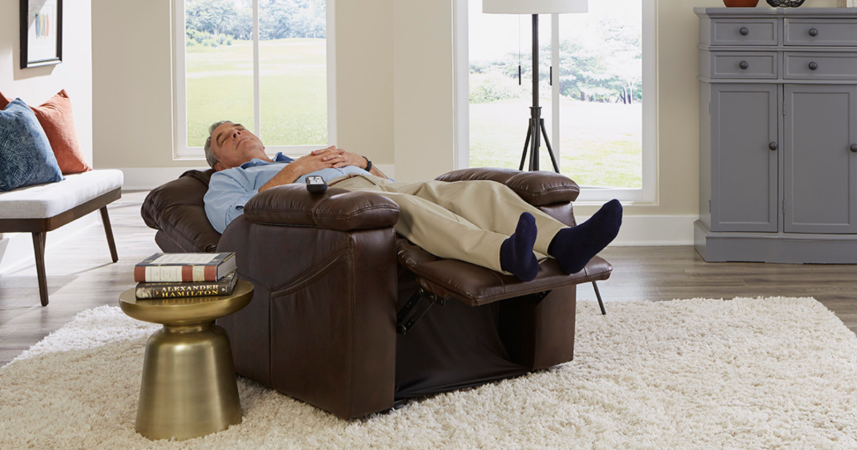
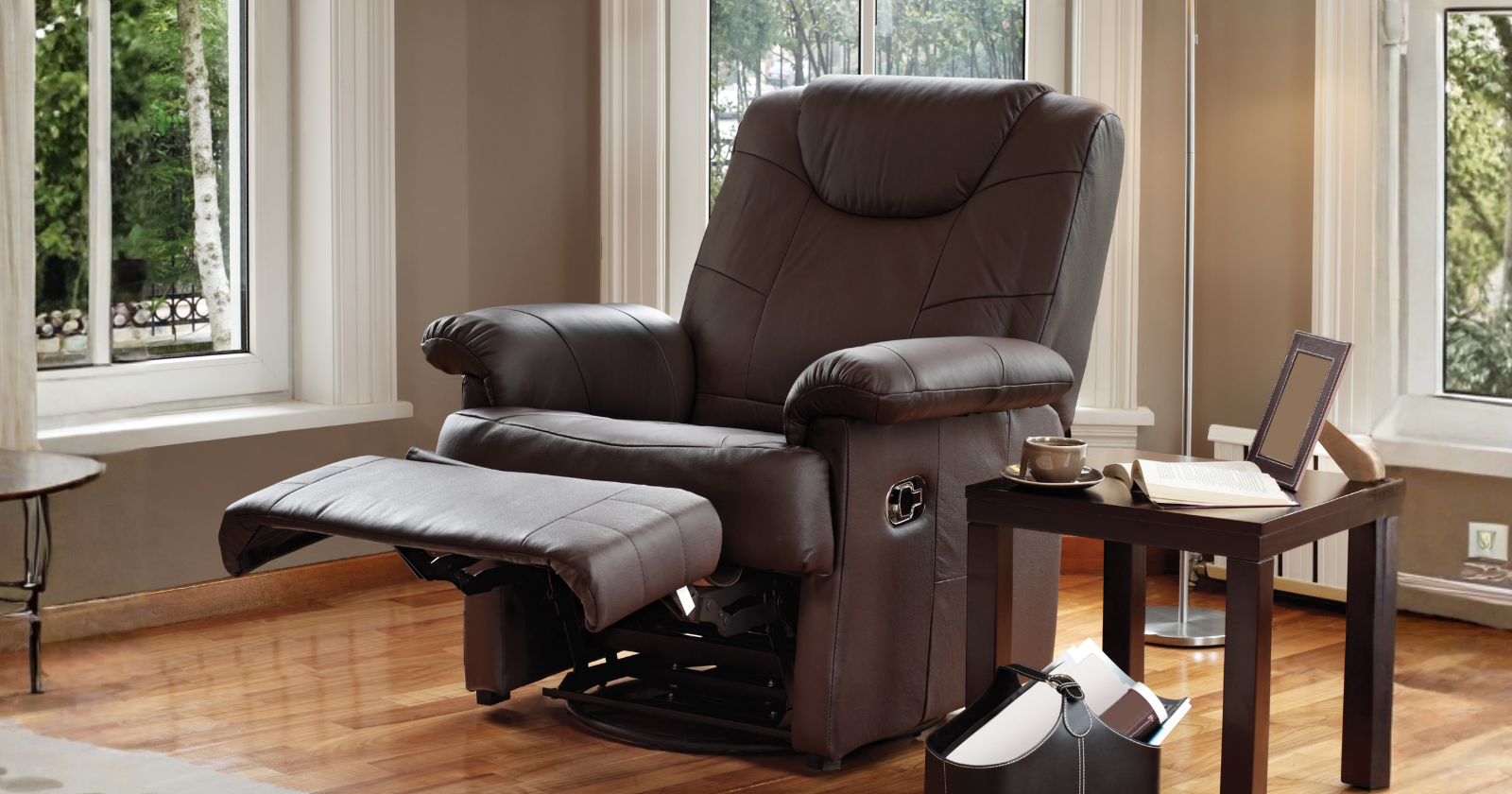
5) Old recliners that feel a little too personal
A recliner is not like a side table.
It’s a personal throne. It molds to your body. It holds your habits. It remembers your naps.
That’s exactly why strangers hesitate.
Used recliners can feel too intimate, especially fabric ones.
They often show wear on the arms, discoloration on the headrest, and sagging in the seat.
Some of them also have mechanisms that creak, stick, or recline like they’re arguing with you.
If a recliner sells, it’s usually because it’s leather, in great condition, and priced low enough that the buyer feels clever.
Otherwise, it sits there while people pretend not to notice it.
6) Waterbeds and their huge frames
Waterbeds were once the cool choice.
They were marketed like the secret to better sleep and a more luxurious life.
In reality, they’re a hassle.
They’re hard to drain, hard to move, and easy to damage.
They also come with the anxiety of “what if this leaks,” which is not a fun thought when you live in an apartment or rent.
Modern mattresses are better, easier, and available in a hundred different styles.
Buyers can get a great night’s sleep without owning a pump, special sheets, and a frame the size of a dock.
At estate sales, waterbeds tend to become a running joke rather than a purchase.
7) Bulky old desks built for paperwork, not laptops
As a writer, I love a good desk.
I can also admit most older desks were designed for a world that ran on paper.
They’re big. They’re heavy. They often have drawers for files, slots for letters, and clunky add-ons like hutches. They were meant for desktop computers that weighed more than a carry-on suitcase.
Now people work with a laptop, maybe a monitor, and a few chargers.
They want cable management. They want leg room. They want something that fits in a bedroom corner without turning the room into a 1990s corporate office.
Older desks also come with practical annoyances like sticky drawers, scuffed tops, and designs that look formal in a way that doesn’t match casual modern living.
8) Matching bedroom sets in orangey oak
This is the classic full set: Bed frame, dresser, mirror, and nightstands, all in the same wood tone.
For a lot of Boomers, matching sets meant you had your life together.
You bought it once and you were done. No hunting, no mismatching, no chaos.
Younger buyers tend to want the opposite.
They like a mix of pieces. They like collected, personal spaces that look like they evolved over time.
Also, those older sets can feel visually heavy, especially in warm oak tones that lean orange.
And from a practical angle, big dressers and bed frames are some of the worst things to move.
They’re awkward, they scratch easily, and they make you question whether you even need that much storage.
Even when the set is well made, it often doesn’t fit how people live now.
9) Lastly, glass top coffee tables and fragile display pieces
Lastly, there’s the furniture that looks nice but makes you nervous.
Glass top coffee tables, delicate side tables, ornate display stands.
The pieces that seem designed for a room nobody is allowed to relax in.
Modern buyers usually want furniture that can handle real life.
Spilled drinks. Pets. Kids.
A friend who slams their phone down like they’re playing cards.
Glass scratches, shows fingerprints, and can shatter during transport.
When you’re buying secondhand, you also don’t know if there’s a hairline crack waiting to become a full disaster.
Even if it’s cheap, people often skip it because cheap becomes expensive the moment something breaks in your car.
The bottom line
If you’re dealing with a house full of furniture, here’s the truth nobody loves hearing: Sentimental value does not transfer automatically.
A wall unit can represent years of family movie nights, and still be something buyers do not want in their living room.
A china cabinet can symbolize tradition, and still feel useless to someone who eats dinner standing at the counter.
If your goal is to downsize or sell, separate the story from the object.
Keep what truly matters. Take photos of what you’re letting go.
Ask family members what they actually want, not what you hope they want.
And price things based on how quickly you want them gone, not what they cost decades ago.
Because the real win is not convincing a stranger to haul away a giant dining set.
It’s making space for your next chapter without being held hostage by furniture that belonged to a different era.
What’s Your Plant-Powered Archetype?
Ever wonder what your everyday habits say about your deeper purpose—and how they ripple out to impact the planet?
This 90-second quiz reveals the plant-powered role you’re here to play, and the tiny shift that makes it even more powerful.
12 fun questions. Instant results. Surprisingly accurate.