After decades of trying to be perfect, people over 65 discover that letting go of exhausting social expectations—from fashion rules to family peacekeeping—transforms them into the most magnetic, sought-after versions of themselves.

Add VegOut to your Google News feed. 
Last week at my book club, a woman half my age told me I was "refreshingly real" after I admitted to forgetting why I'd walked into the kitchen three times that morning.
Her comment stuck with me because twenty years ago, I would have been mortified by that admission, quickly covering it with a self-deprecating joke about "senior moments."
But here's what I've discovered after passing 65: the very things we stop caring about as we age are precisely what make us more magnetic to others.
There's something liberating about reaching an age where you realize you've already proven whatever you needed to prove.
After three decades teaching high school English, raising two children mostly on my own, and navigating widowhood, I've earned the right to stop performing for an invisible audience.
And surprisingly, this letting go hasn't made me less interesting or valuable to others.
Quite the opposite.
1) Keeping up with every trend and fashion
My closet used to be a battlefield of clothes that never quite fit right but looked "current."
Now? I own seven versions of the same comfortable black pants that actually have pockets deep enough for my phone.
When my niece gently suggested I might want to update my wardrobe, I laughed and told her I'd spent fifty years uncomfortable in the name of fashion, and my remaining years would be spent in clothes that let me actually move.
You know what's funny? Since I stopped chasing trends, younger people seek me out more.
My neighbor's teenage daughter loves borrowing my vintage scarves, the ones I bought in the '80s and never threw away.
She says I have "authentic style" now.
All I did was stop trying so hard.
2) Having the perfect response ready
Do you remember that awful feeling of thinking of the perfect comeback three hours too late?
I spent decades rehearsing conversations in my head, preparing witty responses for every possible scenario.
Now, when someone asks me something unexpected, I often pause, really think, and sometimes simply say, "I don't know. Let me think about that."
This admission of not having all the answers has made my relationships deeper.
My adult son recently told me he appreciates that I no longer rush to give advice when he shares problems.
Sometimes I just listen and say, "That sounds really hard."
Apparently, that's often exactly what he needs.
3) Maintaining a spotless reputation
After my divorce at 48, I worried endlessly about what people thought.
Would they judge me? Think I'd failed?
Then I survived breast cancer, buried my second husband, and somewhere along the way realized that reputation is just another word for living your life according to other people's scorecards.
These days, I tell people about my mistakes freely.
The time I accidentally joined a nude yoga class thinking it was "new" yoga.
The disaster of trying to date online at 68.
The way I ugly-cried in the grocery store six months after becoming a widow when I saw my late husband's favorite cereal on sale.
This openness has attracted the most genuine friendships of my life.
4) Being the family peacekeeper
For years, I was the designated buffer between my two sisters who could start an argument over how to properly fold a fitted sheet.
Every family gathering, I'd exhaust myself trying to prevent conflicts, smooth over disagreements, redirect conversations away from hot-button topics.
Then I read something in Rudá Iandê's book that shifted everything. As I mentioned in a previous post about family dynamics, his insight that "Their happiness is their responsibility, not yours" finally freed me from this self-appointed role.
Now, when my sisters start their familiar dance of disagreement at Thanksgiving, I simply excuse myself to check on the pie.
Surprisingly, they usually work it out themselves, and everyone seems to enjoy my company more when I'm not constantly managing the emotional temperature of the room.
5) Hiding their quirks and eccentricities
I talk to my houseplants now.
Not just a casual "grow well" but full conversations about my day while watering them.
I wear my late husband's cardigan even though it's three sizes too big and has a hole in the elbow.
I eat breakfast for dinner at least twice a week because scrambled eggs at 7 PM make me inexplicably happy.
Have I mentioned how popular I've become with my grandchildren?
They love that Grandma has names for all her plants and makes backwards meals.
My granddaughter recently told her friend, "My grandma is weird in the best way."
I consider that the highest compliment.
6) Protecting others from harsh truths
The polite deflections of middle age have given way to gentle but clear honesty.
When my friend asked if her new haircut looked good, I said, "You look beautiful, but that cut doesn't show it."
When my son's girlfriend asked what I thought of their relationship dynamics, I shared my observations without sugar-coating.
This honesty, delivered with kindness but without false cushioning, has made me someone people seek out when they need real feedback.
They know I won't just tell them what they want to hear, but I'll tell them truth wrapped in genuine care.
7) Competing with others their age
At my 50th high school reunion, while others compared grandchildren's achievements and retirement portfolios, I spent the evening learning to play pool from a classmate who'd become a professional player in her 60s.
The competition game exhausts me now.
Someone else's success doesn't diminish mine.
Their happiness doesn't threaten my own.
This shift has made me everyone's favorite cheerleader.
I genuinely celebrate others' victories, from my book club friend's first published poem at 71 to my neighbor's decision to go back to school at 68.
People are drawn to someone who can rejoice in their joy without making it about themselves.
8) Saving the good things for "someday"
My mother saved her good china for special occasions that rarely came.
After she passed, I found drawers full of beautiful linens with the tags still on.
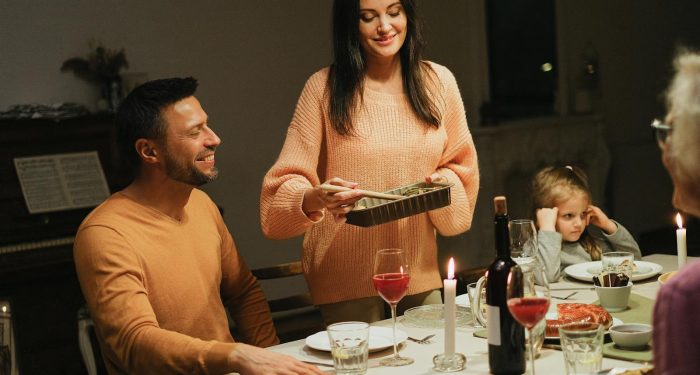
Now I use my grandmother's silver for Tuesday night soup.
I wear my favorite earrings to the grocery store.
I don't save books for vacation; I read them now, in the middle of ordinary Wednesdays.
This embrace of everyday celebration has made me someone people want to be around.
I'm the friend who suggests we use the good wine glasses for our casual lunch, who encourages others to wear the fancy dress to the farmer's market just because it makes them happy.
Final thoughts
What I've learned is that becoming more likeable isn't about adding more, trying harder, or perfecting our persona.
It's about the courage to subtract, to let go, to stop caring about the things that never really mattered anyway.
At 72, I'm more myself than I've ever been, and ironically, that authentic self is exactly who others want to spend time with.
Who knew that the secret to being liked was simply stopping the exhausting effort of trying to be likeable?
If You Were a Healing Herb, Which Would You Be?
Each herb holds a unique kind of magic — soothing, awakening, grounding, or clarifying.
This 9-question quiz reveals the healing plant that mirrors your energy right now and what it says about your natural rhythm.
✨ Instant results. Deeply insightful.

Marlene Martin
Marlene is a retired high school English teacher and longtime writer who draws on decades of lived experience to explore personal development, relationships, resilience, and finding purpose in life’s second act. When she’s not at her laptop, she’s usually in the garden at dawn, baking Sunday bread, taking watercolor classes, playing piano, or volunteering at a local women’s shelter teaching life skills.
More Articles by Marlene