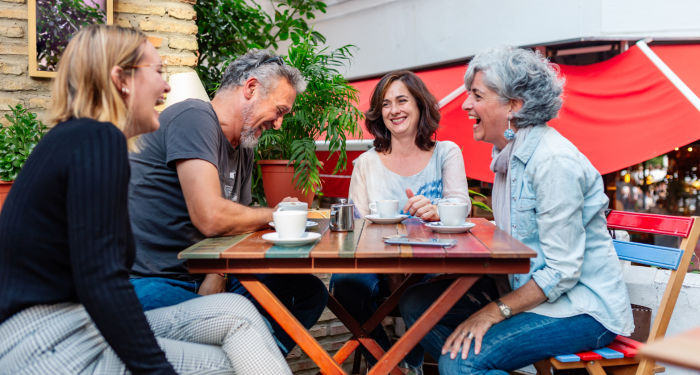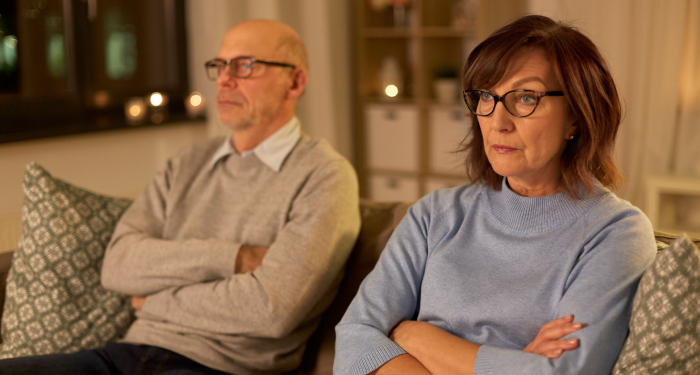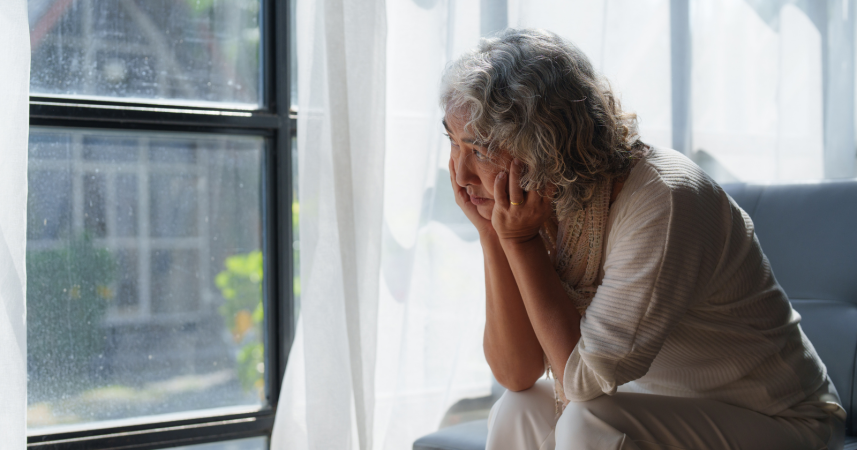
Getting older isn’t just about wrinkles or retirement. People over 60 often face quiet struggles — from feeling invisible to managing regrets and fears of becoming a burden — that few talk about openly. This honest look reveals the emotional and psychological challenges of aging that deserve to be understood, not ignored.
Aging is one of those topics we all know is coming for us, but few people talk about honestly.
We love the idea of “aging gracefully,” but that phrase often hides the very real challenges people face as they get older — especially after 60.
And while there’s plenty of talk about staying active, traveling, or “living your best life,” there’s a quiet side to aging that doesn’t get mentioned much.
The truth is, people over 60 often struggle with things that go far beyond the physical. They’re psychological, emotional, and deeply human.
Here are eight things that many people over 60 face, even if they don’t say it out loud.
1) Feeling invisible
Have you ever noticed how our culture tends to worship youth?
Scroll through social media, and you’ll see endless content about staying young, glowing skin, or biohacking longevity — but very little about simply being older.
Many people in their 60s and beyond quietly feel like they’ve faded into the background.
They might walk into a room and notice fewer people make eye contact. They might feel dismissed in conversations, or worse, unseen in their own families.
This sense of invisibility can be jarring, especially for people who once held visible roles in work or community life.
It’s not vanity — it’s human. We all want to be noticed and valued.
The key, as I’ve heard from older friends, isn’t to fight for the same kind of visibility they had in their 30s or 40s, but to redefine it.
To find purpose in presence, not performance.
2) Losing a sense of identity
Retirement sounds like freedom — until it hits.
Many people spend decades defining themselves by what they do: their job title, their daily routines, the structure that gives their life meaning.
Then one day, it’s gone.
And suddenly, they’re left asking, “Who am I now?”
It’s a question that’s both liberating and terrifying.
When my dad retired at 62, he thought he’d love the open schedule. Instead, he found himself restless within a few months.
He missed being needed, having deadlines, and having a role that mattered.
It took him time to find a new rhythm — volunteering, mentoring, playing music again. But that process wasn’t easy.
Losing identity after 60 is common, but it’s rarely talked about. We applaud people for retiring but not for rebuilding their sense of self afterward.
3) Facing loneliness
Even people surrounded by others can feel lonely.
As we age, our social circles often shrink. Friends move away, health issues limit mobility, and some loved ones pass on.
The result is a quiet, lingering loneliness that many don’t admit.
Studies consistently show that loneliness among older adults is one of the biggest risk factors for declining mental and physical health — even more than smoking or obesity.
Yet, because loneliness carries a sense of shame, people often downplay it.
They’ll say they’re “fine,” or “just keeping to themselves,” when what they really crave is connection.
One of my neighbors, a widower in his late sixties, once told me, “You start missing small talk more than anything. Just being seen.”
It stuck with me. Sometimes, the smallest interactions can mean the most.
4) Adapting to changing bodies
There’s no getting around it — aging changes the body in ways that can be hard to accept.
Energy levels dip. Recovery takes longer. Muscles don’t respond the same way.
Even the simplest things — like getting up from the floor or reading a menu in dim light — can suddenly feel frustrating.
But what many people over 60 won’t say out loud is how much these changes impact their confidence.
It’s not just vanity — it’s identity again. When your body doesn’t feel like your own anymore, it can challenge how you see yourself.
I met a woman during a photography project a few years ago who put it perfectly: “You wake up one day and realize you’ve been renegotiating with your body for a decade.”
The people who handle it best, in my experience, are those who learn to work with their bodies instead of against them.
They move more gently, eat more intuitively, and focus on function over appearance.
Still, it’s a quiet struggle many won’t voice.
5) Watching the world change too fast
Technology, culture, communication — everything moves at lightning speed now.
For people over 60, this constant acceleration can feel both fascinating and alienating.
Imagine growing up writing letters and now being expected to manage apps, QR codes, and two-factor authentication just to order dinner.
Many adapt — they’re on Facebook, FaceTime, maybe even Instagram — but it’s easy to feel left behind.
One of my readers once emailed me about this, saying, “I feel like the world updated and forgot to send me the instructions.”
There’s humor in that, but also truth.
The rate of change today leaves even younger generations disoriented — so it’s no wonder older ones sometimes feel disconnected.
It’s not about rejecting new tech, but about finding ways to stay connected without feeling like you’re in a constant state of catch-up.
6) Letting go of control
There’s something quietly unsettling about realizing that certain things are no longer entirely in your hands.
Whether it’s your health, your finances, or even where you live, life after 60 often involves surrendering a degree of control.
Maybe you can’t drive at night anymore. Maybe your adult children worry about your safety. Maybe the body you once trusted feels unpredictable.
And for people who spent their whole lives being independent, that can be hard to accept.
A psychologist I once interviewed explained it this way: “It’s not just the loss of control that hurts — it’s what that control represented. Competence. Dignity. Autonomy.”
That’s why so many older adults insist they’re “fine” — even when they’re not. Admitting difficulty can feel like handing over power.
The challenge is learning that letting go of control doesn’t mean losing worth. It means adapting, which takes more strength than most people realize.
7) Managing regrets
By the time someone reaches 60, they’ve lived through decades of choices — and not all of them turned out how they hoped.
Career moves that didn’t pan out. Relationships that ended badly. Words they wish they’d said.
It’s normal to look back and wonder, “What if I’d done things differently?”
But while regret is universal, people rarely talk about it openly — especially older adults who feel like they’re “supposed” to be content or wise by now.
One book that helped me understand this better was The Top Five Regrets of the Dying by Bronnie Ware.
She spent years working in palliative care, and the most common regret she heard wasn’t about failure or money — it was about authenticity.
People wished they’d lived true to themselves instead of chasing expectations.
That’s the quiet beauty of getting older, though: perspective. It’s never too late to forgive yourself or even make small changes that bring peace.
Regret doesn’t have to define you; it can guide you.
8) Fear of becoming a burden
This one might be the hardest to admit.
Many people over 60 start worrying about how their aging might affect their loved ones. They don’t want to “be a problem” — financially, physically, or emotionally.
They downplay their pain, hide their struggles, and say, “Don’t worry about me.”
But beneath that independence is often fear — fear of losing dignity, of being pitied, of no longer being seen as capable.
It’s heartbreaking because it often leads to isolation when what they really need is connection.
I remember my aunt saying, “The hardest part isn’t getting older. It’s pretending it doesn’t scare you.”
There’s vulnerability in that statement — and honesty too.
The people who handle this stage best are those who keep communicating, asking for help when needed, and reminding themselves that needing others doesn’t make them a burden.
It makes you human.
The bottom line
Aging isn’t a failure — it’s an achievement.
But it comes with layers of quiet complexity that few people acknowledge.
People over 60 don’t just deal with wrinkles or retirement. They navigate identity, purpose, loss, and fear — often with a grace that goes unnoticed.
If you’re reading this and you’re in that stage, know this: your value doesn’t fade with age. If anything, it deepens.
And if you’re younger, take this as a reminder — one day, you’ll understand exactly what they mean. So listen now, while they’re still here to tell you.
What’s Your Plant-Powered Archetype?
Ever wonder what your everyday habits say about your deeper purpose—and how they ripple out to impact the planet?
This 90-second quiz reveals the plant-powered role you’re here to play, and the tiny shift that makes it even more powerful.
12 fun questions. Instant results. Surprisingly accurate.