
They represented a version of middle-class life where progress felt visible and tangible. Even if those objects seem outdated now, the emotional imprint they left behind is very real.

Add VegOut to your Google News feed. 
If you grew up in the 1990s, you probably remember how certain objects seemed to carry more weight than they should have. A jacket. A stereo. A car. A piece of luggage. These things weren’t just functional. They said something about you, your family, and where you sat on the invisible middle-class ladder.
What’s funny is that most younger people today look at these items like museum pieces. But for aging middle-class folks, these status markers still trigger something emotional. Nostalgia is powerful like that. It wires itself into our identity and stays there.
As someone who spends a lot of time studying the psychology behind everyday choices, I’ve always found these leftover status symbols fascinating. They show us how much our childhood environment shapes our adult preferences, even when we think we’ve outgrown them.
Let’s jump into eight of the biggest ones.
1) The “I’ve made it” family sedan
Back in the 90s, few things symbolized middle-class progress more than the right car.
And no, it wasn’t a BMW or a Mercedes. It was the upgraded version of a practical sedan. The Honda Accord EX. The Toyota Camry XLE. Maybe even the Lexus ES when someone was really pushing the boat out.
These cars told a specific story. You were doing well, but you were still grounded. You were financially responsible, but you appreciated comfort. You had a job that let you afford something reliable with a little bit of shine.
I grew up seeing neighbors wash their Camry XLEs every Sunday morning, gently wiping the gold emblem package like it was jewelry. It didn’t matter that the car wasn’t actually luxury. What mattered was what it represented: upward momentum without arrogance.
Today’s younger generations mostly care about fuel efficiency or rideshares. The emotional connection just isn’t the same. But for 90s kids, the memory of those cars still hits a very specific nerve.
2) The giant wooden entertainment center
If you want to understand the 90s, start with the furniture. In particular, the enormous entertainment center that swallowed half the living room. It wasn’t just storage. It was a shrine to middle-class pride.
These things held the TV, the VCR, stacks of VHS tapes, and often some decorative items that no one ever touched. They were usually heavy, dark wood. And they made the room feel “fancy” in a way that people genuinely cared about.
My parents’ entertainment center was the centerpiece of our living room. It wasn’t cheap, and they treated it like an investment. If guests complimented it, my dad looked like he had just been told he owned a private island.
Younger people today prefer minimal shelves or a TV mounted on the wall. But older middle-class adults still see these units as symbols of a home that was put together with intention.
3) A full-sized stereo system with towering speakers
Nothing said sophistication in the 90s like a big stereo system. And not the compact kind. The real ones. Multiple components. A multi-disc CD changer. A receiver with mysterious knobs and dials. Speakers so tall they could double as furniture.
If you loved music, this setup was your personality. It was the thing you pointed to as proof that you had taste. And for many middle-class families, owning a high-quality stereo felt like stepping into a new social tier.
When I first started blogging about music in my twenties, I had a hand-me-down 90s sound system. Even though it was too big for my apartment, turning it on made the whole room feel alive. There was something ceremonial about choosing a CD and listening from start to finish.
Streaming killed that experience. Convenience won. But aging 90s kids still get emotional when they see an old-school stereo that could practically shake the walls.
4) Matching luggage sets
This one cracks me up every time.
In the 90s, matching luggage wasn’t about travel. It was about image.
The more coordinated the bags, the more “together” you appeared. If you had a full soft-sided set from Samsonite or American Tourister, you were basically broadcasting to the airport that you were a seasoned traveler, even if your only destination was a family reunion in Phoenix.
Middle-class families saved for this stuff. They saw matching luggage as a marker of class. It meant you traveled in style, even if you still brought snacks from home to avoid buying airport food.
Today, mismatched luggage is the norm. People carry backpacks, thrift store finds, or whatever survived their last trip. But for 90s adults, matching luggage still triggers the belief that travel should look polished.
5) Mid-tier branded watches
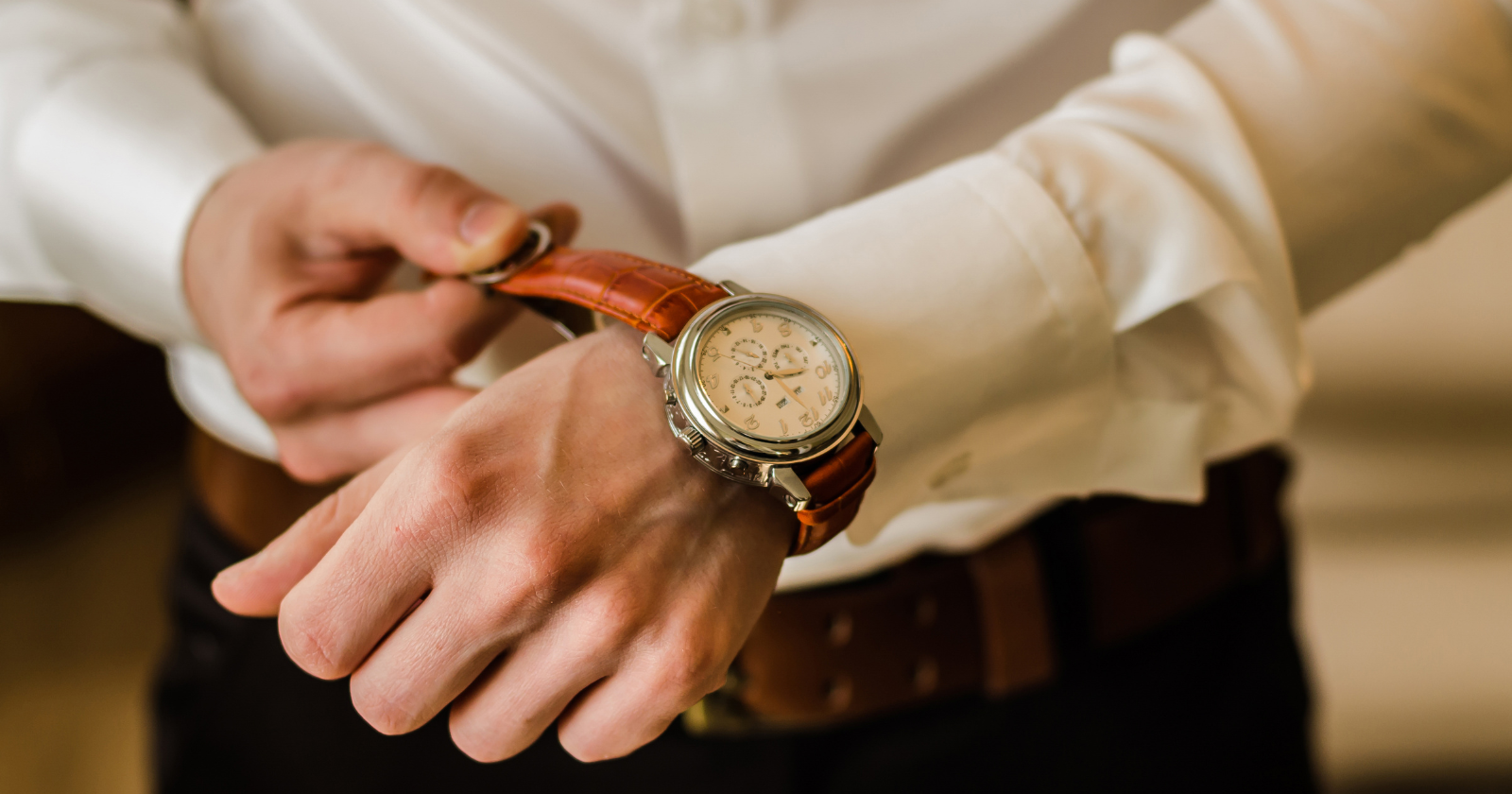
In the 90s, you didn’t need a luxury watch to feel successful. A nice Fossil, Citizen, Seiko, or Guess watch did the job. These watches were polished. They came in sturdy metal tins. And they made you feel like you’d leveled up from adolescence into functional adulthood.
I saved up for a Fossil watch in high school. When I finally bought it, I felt like the most put-together person alive. The watch wasn’t expensive, but it made me feel like I was stepping into the world with purpose.
Younger people today often skip watches entirely. They use their phones or wear smartwatches. But for aging middle-class folks, the old mid-tier analog watch still holds emotional weight. It represents a time when adulthood felt simple and measurable.
6) The decorative display cabinet
If your family had a display cabinet in the 90s, you probably didn’t use anything in it. Fine china. Crystal glasses. Souvenir plates. Figurines from vacations. Wedding gifts too delicate to ever touch. These items lived behind glass like museum pieces.
For middle-class households, the display cabinet was a symbol of stability and refinement. It said, “We own things worth preserving.” Even if those things were never actually used.
My aunt had a cabinet full of crystal glasses that she polished but never drank from. When I asked her why, she said, “They’re for special occasions.” But no one could define what occasion was special enough.
Minimalist trends have wiped this mindset away for younger generations. They value open space over objects. But aging 90s adults still look at their display cabinets with pride, not clutter anxiety.
7) Branded clothing that wasn’t luxury but looked like it
In the 90s, status lived in logos. But not luxury logos. Middle-class logos. Tommy Hilfiger. Nautica. Esprit. Eddie Bauer. Ralph Lauren. If you wore these brands, you communicated that you were stylish without pretending to be wealthy.
Catalog culture amplified this. Every household had thick seasonal catalogs where people circled items they dreamed of owning. These brands didn’t just sell clothes. They sold a vision of balanced middle-class success.
I saved up for a Nautica jacket in my twenties. It was bright, slightly too warm for California weather, and impossible to pair with anything. But wearing it made me feel like the kind of person who went sailing on weekends, even though my biggest form of transportation at the time was my bicycle.
Gen Z doesn’t connect to these brands emotionally. But for 90s adults, those logos represent optimism from a different era.
8) Owning a camcorder and documenting everything
Before smartphones, the camcorder was a status item. It meant you cared about memories. It meant you could afford technology. And it meant you were the designated family archivist.
Middle-class parents in the 90s would proudly shoulder a camcorder at every event. Birthday parties. School plays. Vacations. Random Saturdays.
Even if the footage never got watched again, the act of recording felt important. It signaled that your family moments mattered enough to preserve.
As someone who got into photography years later, I can see how those early camcorder years shaped my love for capturing life. Watching people record everything made documenting feel meaningful, not performative.
Today, everyone has a camera in their pocket. Recording is effortless. But those big camcorders still hold a place of honor in many aging adults’ hearts.
Final thoughts
These 90s status symbols weren’t about wealth. They were about belonging. They represented a version of middle-class life where progress felt visible and tangible. Even if those objects seem outdated now, the emotional imprint they left behind is very real.
So here’s something worth asking yourself: which symbols from your past still tug at you, and what do they say about the person you were becoming at the time?
Because nostalgia isn’t just about looking back. It’s about understanding who we are now.
If You Were a Healing Herb, Which Would You Be?
Each herb holds a unique kind of magic — soothing, awakening, grounding, or clarifying.
This 9-question quiz reveals the healing plant that mirrors your energy right now and what it says about your natural rhythm.
✨ Instant results. Deeply insightful.

Jordan Cooper
Jordan Cooper is a pop-culture writer and vegan-snack reviewer with roots in music blogging. Known for approachable, insightful prose, Jordan connects modern trends—from K-pop choreography to kombucha fermentation—with thoughtful food commentary. In his downtime, he enjoys photography, experimenting with fermentation recipes, and discovering new indie music playlists.
More Articles by Jordan