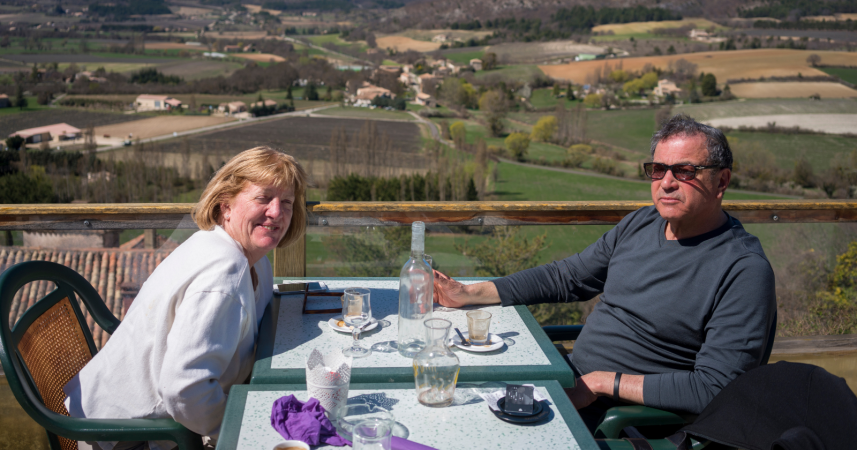
Nice restaurants bring out subtle habits people don’t always notice in themselves. Servers clock these behaviors quickly because they repeat under social pressure.
Nice restaurants do something subtle to people. The moment you sit down, you can feel the shift in posture, tone, and self-awareness ripple across the table.
The lighting is warmer, the menu feels heavier, and suddenly ordering dinner feels like a small performance.
Servers notice this immediately, because mild social pressure has a way of making human behavior very predictable.
After enough shifts, patterns stand out within minutes.
Not because servers are judging, but because repetition teaches you what to expect before the appetizers arrive.
This isn’t about mocking anyone or assigning blame to a generation.
It’s about recognizing the habits that tend to surface when people want to enjoy something special while quietly worrying about doing it wrong.
Here are eight behaviors servers tend to clock almost right away.
1) They verbally explain why they are there
“This is our anniversary.” “We don’t usually eat at places like this.” “This is a special occasion for us.”
Servers hear these explanations early, often before water glasses are even filled. The statement is rarely for the server’s benefit, even though it sounds like it is.
What’s really happening is emotional framing. By explaining why they are there, diners give themselves permission to relax and justify the expense and formality.
Psychologically, this reduces internal friction. It turns the experience from indulgent into earned.
Servers clock this behavior because it usually signals heightened expectations.
These tables tend to care deeply about pacing, attentiveness, and feeling taken seriously.
2) They use politeness as a buffer while monitoring everything
The politeness is consistent and unmistakable. Smiles come easily, thank yous are frequent, and the tone stays pleasant throughout the interaction.
At the same time, everything is being tracked quietly. The speed of service, the temperature of the food, the timing between courses.
Servers recognize when politeness functions as a social contract rather than pure warmth.
It creates an unspoken expectation that courtesy should guarantee perfection.
When something goes slightly off, the shift is subtle but immediate. The voice stays calm, but the patience thins.
This behavior often comes from environments where being polite was directly tied to being respected.
Servers clock it because it often precedes carefully worded disappointment.
3) They ask many questions but still feel uncertain
The menu arrives and the table leans in. Questions start flowing about ingredients, preparation, portion sizes, and substitutions.
Servers answer thoughtfully, offering guidance and reassurance. Then the order changes, sometimes more than once.
This isn’t about being difficult. It’s about decision anxiety.
Nice restaurants raise the emotional stakes of choosing. Price, presentation, and unfamiliar flavors all collide at once.
Asking questions becomes a way to delay commitment rather than gather information.
Servers clock this because it often leads to second guessing once the food arrives.
4) They compare the food to something familiar

“This is kind of like what we make at home.” “This reminds me of a place we used to go to years ago.”
These comparisons show up quickly, often after the first bite. They’re not meant to insult the chef or downplay the dish.
They’re meant to create comfort. When something feels unfamiliar, people instinctively search for reference points.
Psychologically, this protects competence and identity. It reassures the diner that they understand what’s happening.
Servers clock this behavior because comparison quietly sets expectations. If the dish doesn’t outperform the memory, dissatisfaction can creep in.
5) They treat the bill like a test of fairness
The energy at the table shifts when the check arrives. Conversation slows, posture changes, and attention narrows.
Every line item gets reviewed carefully. Taxes, service charges, gratuity suggestions.
Servers notice this immediately because it’s rarely just about the money. It’s about whether the exchange feels fair and transparent.
Many middle-class Boomers grew up with clear transactional norms. You paid for exactly what you ordered, and nothing more.
Modern dining complicates that simplicity. Servers know this moment can define how the entire meal is remembered.
6) They look for rules in a space built on flexibility
“Is that allowed?” “I thought that’s not how it usually works.”
Upscale restaurants often rely on quiet flexibility. Rules bend depending on timing, tone, and circumstance.
Some diners relax into that ambiguity. Others search for structure to feel secure.
This behavior often comes from systems where rules equaled fairness. Knowing the rules meant knowing where you stood.
When rules feel unclear, anxiety surfaces. Servers clock this because reassurance matters more than options at these tables.
7) They display knowledge without much curiosity
They know the terminology. They know how things are traditionally done.
This knowledge comes out as statements rather than questions. It’s confident, informative, and closed off.
Servers can tell when knowledge is being used to assert belonging. Curiosity, by contrast, invites conversation.
This behavior often appears when someone wants to avoid feeling out of place. Expertise becomes a form of armor.
I’ve caught myself doing this in unfamiliar food scenes more than once. Servers clock it because recommendations are often politely resisted.
8) They express appreciation at the end, not throughout
The goodbye is warm and sincere. The thank you feels genuine, and the tip reflects it.
But during the meal, the interaction felt distant. Requests were efficient, not relational.
Eye contact was brief and acknowledgment was minimal. Gratitude was saved for the conclusion.
Servers notice this pattern quickly. It reflects a transactional mindset rather than a collaborative one.
Research shows that small moments of recognition matter more than polished endings. Servers remember tables that connect during the meal, not just after.
The bottom line
None of these behaviors are malicious or intentional. They grow out of habit, social conditioning, and a desire to do things correctly.
Nice restaurants create quiet pressure. When people feel that pressure, familiar patterns surface.
Servers are not judging or labeling guests. They are adapting in real time based on experience.
The easiest way to smooth any dining experience is curiosity. Letting go of performance usually makes the moment more enjoyable for everyone involved.
What’s Your Plant-Powered Archetype?
Ever wonder what your everyday habits say about your deeper purpose—and how they ripple out to impact the planet?
This 90-second quiz reveals the plant-powered role you’re here to play, and the tiny shift that makes it even more powerful.
12 fun questions. Instant results. Surprisingly accurate.