From $8 kombucha to sugar-loaded granola masquerading as health food, even the most wellness-conscious shoppers are falling for these expensive tricks hiding in plain sight on those pristine shelves.
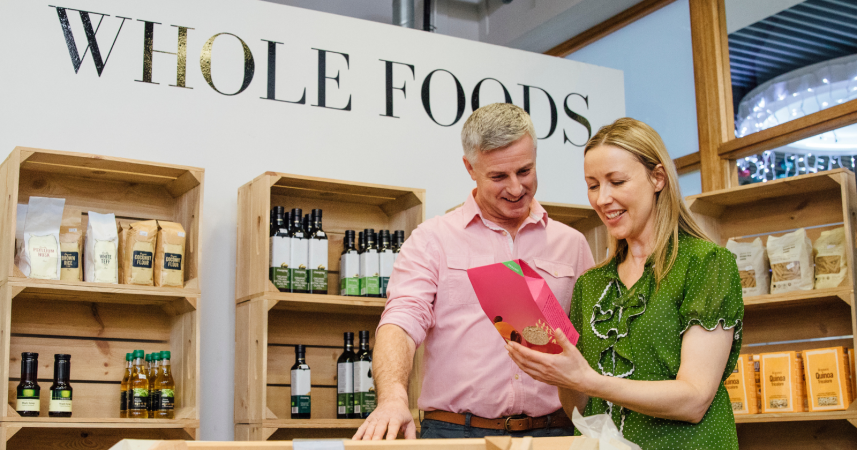
Walking through Whole Foods can feel like navigating a temple of wellness.
Everything looks so pristine, so carefully curated, so... healthy.
But here's the thing: that organic, non-GMO, gluten-free label doesn't automatically make something good for you.
Trust me, I've fallen for this trap more times than I care to admit.
Last week, I watched someone load their cart with $200 worth of "health foods" that were basically expensive junk food in disguise.
The psychology behind this is fascinating.
We associate certain stores, certain packaging, certain words with health.
Our brains take shortcuts.
If it's from Whole Foods, it must be healthy, right?
Wrong.
Let's talk about seven things people regularly buy at Whole Foods thinking they're making smart health choices when they're really not.
1) Agave nectar
Remember when agave was the miracle sweetener?
Lower glycemic index than sugar, natural, from a plant - what could go wrong?
Everything, apparently.
Agave nectar is about 85% fructose.
That's higher than high-fructose corn syrup.
When you consume that much fructose, your liver basically goes into overdrive trying to process it all.
The result? It gets converted to fat, spikes your triglycerides, and can lead to insulin resistance.
But it's natural! So is poison ivy.
Natural doesn't mean healthy.
I've mentioned this before, but marketing teams are brilliant at exploiting our cognitive biases.
They know we associate "agave" with health because it sounds exotic and comes from a plant.
Meanwhile, your liver doesn't care where the fructose comes from.
2) Coconut oil
This one hurts to write because coconut oil smells amazing and makes everything taste better.
But the American Heart Association specifically advises against it for a reason.
Coconut oil is 82% saturated fat.
That's higher than butter (63%), beef fat (50%), or even lard (39%).
Yes, there are different types of saturated fats, and yes, some studies show potential benefits.
But replacing olive oil with coconut oil in everything?
Not the health move people think it is.
The whole coconut oil craze started with some cherry-picked studies and exploded because, well, coconuts are tropical and tropical equals healthy in our minds.
It's the health halo effect in full force.
Use it sparingly if you like the taste.
But don't kid yourself that drowning your vegetables in it is doing your arteries any favors.
3) Flavored yogurts (even the organic ones)
Have you ever looked at the sugar content in those fancy organic yogurts?
Some have more sugar than a Snickers bar.
"But it's yogurt! It has probiotics!"
Sure, and a vitamin-enriched donut is still a donut.
The problem is that we've been conditioned to think yogurt equals healthy breakfast.
So manufacturers load them with sugar to make them palatable, throw in some probiotics, slap an organic label on them, and charge you $6 for what's essentially dessert.
Plain yogurt with fresh fruit? Great choice.
That vanilla almond organic yogurt with 24 grams of sugar?
You might as well have ice cream for breakfast.
4) Granola
Granola might be the biggest scam in the breakfast aisle.
It's literally oats covered in oil and sugar, then baked until crispy.
Most varieties pack 400-500 calories per cup, and who eats just one cup?
The behavioral science research on this is clear: we consistently underestimate calories in foods we perceive as healthy.
Granola benefits from this bias more than almost any other food.
I once tracked my breakfast calories for a week and discovered my "healthy" granola parfait contained more calories than a Big Mac.
The only difference was I felt virtuous eating one and guilty eating the other.
Want a crunchy topping for your yogurt?
Try raw nuts or seeds.
Same satisfying crunch, actual nutritional benefits, no sugar crash at 10 AM.
5) Veggie chips
As someone who reviews vegan snacks professionally, this one particularly bothers me.
Veggie chips are just potato chips with better marketing.
They're still deep-fried.
They're still loaded with salt.
They still have minimal nutritional value.
The only difference is they might have some beet powder for color or sweet potato instead of regular potato.
But that bag with pictures of fresh vegetables on it?
Your brain sees those images and creates associations.
You think you're eating vegetables. You're not.
You're eating fried processed food with vegetable flavoring.
Real vegetables don't come in bags that don't expire for six months.
If you want the crunch, slice up some actual vegetables and roast them yourself.
6) Protein bars
When did candy bars rebranded as protein bars become acceptable meal replacements?
Most protein bars are glorified candy with some whey powder thrown in.
They're packed with sugar alcohols (hello, digestive issues), artificial sweeteners, and enough processing to make them shelf-stable for years.
"But I need protein after my workout!"
Do you though?
Unless you're a serious athlete, you're probably getting enough protein from regular food.
And even if you do need extra protein, wouldn't actual food be better than a processed bar with 20 ingredients you can't pronounce?
The supplement industry has convinced us we need to optimize every aspect of our nutrition. We don't.
We need to eat real food.
7) Kombucha
Kombucha is fermented tea.
It has some probiotics.
It might have some benefits.
But it's not the miracle elixir people treat it as.
Most commercial kombuchas are loaded with sugar to make them palatable.
Some have as much sugar as soda.
Plus, the probiotic benefits are wildly overstated.
Your gut health depends on overall diet patterns, not on drinking expensive fermented tea.
I know someone who spends $8 a day on kombucha because they think it's fixing their gut health.
Meanwhile, they eat processed food for every other meal.
That's like putting premium gas in a broken car.
Want probiotics?
Eat fermented vegetables, plain yogurt, or take a quality probiotic supplement if your doctor recommends it.
Don't expect magical healing from overpriced fizzy tea.
Wrapping up
Shopping at Whole Foods doesn't automatically make your choices healthy.
Those marketing teams know exactly what they're doing when they package processed food in earth-toned containers with pictures of farms on them.
The truth is, the healthiest foods don't need health claims.
Broccoli doesn't have a marketing team.
Apples don't need to tell you they're gluten-free.
Next time you're shopping, ask yourself: would my great-grandmother recognize this as food?
Is this actually nutritious, or does it just have a health halo because of where I'm buying it?
Real health isn't found in expensive packaged products with trendy ingredients.
It's in the produce section, the bulk bins with actual whole grains, and the simple foods that don't need to convince you they're healthy.
Your wallet and your body will thank you for seeing through the marketing.