Ever wondered how some people in their seventies seem to have more energy than those half their age? It’s not luck or perfect genes — it’s their daily routines. From staying socially active and curious to eating real food and getting quality sleep, these habits keep their minds sharp and bodies strong. In this post, I break down seven simple routines people over 70 follow that help them feel decades younger — and how you can start applying them to your own life today.
Ever meet someone in their seventies who just radiates energy?
They move with ease, laugh with their whole body, and seem genuinely excited about life.
You might even forget how old they are until they casually mention they’ve got grandkids in college.
It’s not luck or good genes alone. Many of these youthful seventy-somethings follow daily routines that help them stay sharp, active, and optimistic — mentally and physically.
Here’s what I’ve noticed they do differently (and what we can learn from them).
1) They move — but not necessarily at the gym
You don’t need to crush CrossFit workouts or run marathons to stay youthful.
Most of the older folks I’ve met who seem decades younger are simply consistently physically active. They walk every day, garden, dance, or swim.
Movement isn’t a punishment — it’s built into their lives.
Research backs this up.
The National Institute on Aging found that even light, regular activity improves balance, energy, and brain function in older adults. It doesn’t have to be intense — just consistent.
One man I met in Portugal, age 74, told me he walks to the market every morning and carries his groceries home. “It keeps me strong and gives me purpose,” he said with a grin.
That’s the key. It’s not about burning calories — it’s about staying connected to your body and the world around you.
Try this:
Find a movement you actually enjoy — not one you think you should do. Maybe that’s cycling by the beach, walking your dog twice a day, or doing ten minutes of yoga before bed.
The routine matters more than the reps.
2) They eat real food (and savor it)
Here’s something I noticed while living in Europe for a while: many older locals, even in their seventies or eighties, eat well — and I don’t mean in a “counting calories” kind of way.
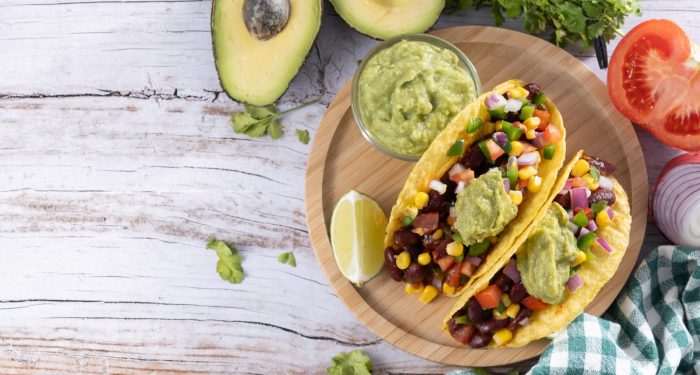
They eat real food: fresh vegetables, quality olive oil, fish, bread baked that morning, and the occasional glass of wine. No crazy restrictions, no “detox” nonsense.
Science supports their approach. Studies on the Mediterranean diet — rich in plants, whole grains, and healthy fats — show it’s linked to longevity, brain health, and lower inflammation.
But beyond nutrition, it’s also about how they eat.
They take time. They sit down. They enjoy conversation.
In hospitality, I learned that food isn’t just fuel — it’s an experience.
When you slow down and savor what’s on your plate, you digest better, you connect better, and, weirdly enough, you often end up eating less.
Try this:
Make at least one meal a day a ritual. No screens, no multitasking. Just sit, chew slowly, and actually taste your food.
You’ll be surprised how much younger “presence” makes you feel.
3) They stay socially connected
There’s an Italian village called Acciaroli where a huge percentage of residents live past 90 — and they’re not isolated or lonely. They spend time together every day.
Loneliness, on the other hand, has been called the new smoking. According to the U.S. Surgeon General, chronic loneliness can be as damaging to health as smoking 15 cigarettes a day.
Let that sink in.
The older adults who seem the most youthful often have one thing in common: strong social circles.
They stay socially connected.
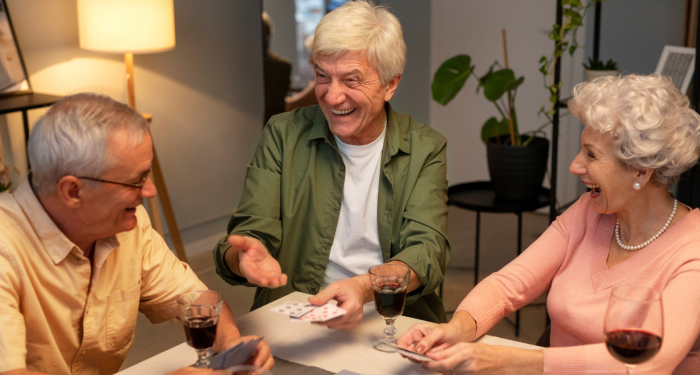
They grab coffee with friends, volunteer, play bridge, attend community events, or just chat with neighbors.
It’s not just about having people around — it’s about belonging. We’re wired for connection, no matter our age.
Try this:
Call that friend you’ve been “meaning to” catch up with. Join a local club or class. Say hi to your barista. It’s small interactions like these that keep our emotional muscles strong.
4) They keep learning new things

Here’s something that separates the mentally young from the mentally old: insatiable curiosity.
People who keep learning — whether it’s picking up a new language, joining a book club, or finally figuring out how to use TikTok — stay sharper for longer.
Neuroscience agrees. Harvard Health Publishing notes that challenging the brain helps form new neural connections, improving memory and cognitive resilience.
I once met a retired engineer in Tokyo who started watercolor painting at 72.
“It makes my mornings exciting again,” he said. “You never stop learning unless you choose to.”
It doesn’t matter what you learn — what matters is that you keep stretching yourself. Growth isn’t just for your 20s.
Try this:
Pick something that makes you feel slightly out of your depth. Cooking a new cuisine, mastering chess, learning photography — whatever sparks a bit of curiosity.
Learning keeps you vibrant, humble, and engaged with the world.
5) They prioritize sleep (and protect their routine like gold)
You might think older people naturally sleep less, but the healthiest, happiest ones I’ve met treat sleep as sacred.
They go to bed at the same time, wake up early, and don’t scroll through their phones in bed. Their bedrooms are quiet, dark, and gadget-free.
Why? Because quality sleep fuels everything — mood, memory, hormones, recovery.
Research from the National Sleep Foundation links proper rest with a lower risk of Alzheimer’s, heart disease, and depression.
It’s not about sleeping more — it’s about sleeping better.
I used to think I was fine running on five hours.
Then I actually started tracking my sleep and noticed how different I felt after seven or eight hours: more creative, calmer, more “myself.”
If it makes that big a difference at 30, imagine the payoff at 70.
Try this:
Set a “wind-down” alarm an hour before bed. Dim the lights, read a book, maybe make a cup of herbal tea. Make sleep part of your self-care, not an afterthought.
6) They practice gratitude and mindfulness
I once read a study showing that people who regularly practice gratitude report fewer aches and pains.
At first, I thought that was a stretch — but it actually makes sense.
Stress literally ages us. Gratitude and mindfulness, on the other hand, lower cortisol, calm inflammation, and boost happiness.
The older adults who seem light on their feet often have this quiet, unshakable peace about them.
They don’t sweat the small stuff. They’ve learned to focus on what’s here, not what’s missing.
As Thich Nhat Hanh wrote, “The miracle is not to walk on water. The miracle is to walk on the green earth, dwelling deeply in the present moment.”
I once had dinner with a couple in their late seventies who started every meal by saying one thing they were thankful for — aloud. It wasn’t forced or cheesy.
It was grounding. They said it kept them young together.
Try this:
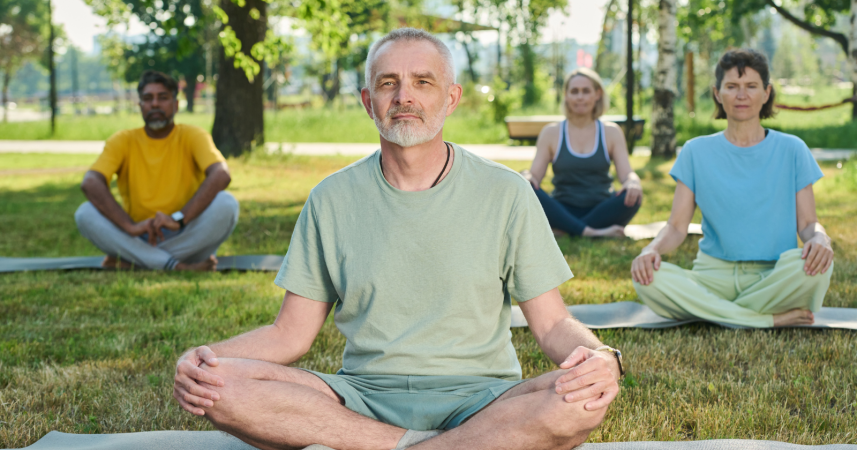
Write down three things you’re grateful for each morning. Or take a short walk without your phone, just noticing your surroundings.
You’ll start seeing how slowing down can make life feel richer — and somehow, longer.
7) They have something to look forward to
Finally — and I think this one’s the most underrated — the youngest seventy-year-olds I’ve met all have something that excites them.
A project, a hobby, a trip, a grandkid’s soccer game, even just lunch with friends next week. Purpose is the real fountain of youth.
Psychologist Viktor Frankl, in Man’s Search for Meaning, argued that humans can endure almost anything if they have a “why.”
Purpose isn’t about having a career — it’s about having a reason to get out of bed in the morning.
I remember meeting a woman in her seventies who volunteered at an animal rescue.
She laughed when I asked if she planned to slow down. “For what?” she said. “This is the good part.”
That’s the thing: the moment you stop looking forward to life, it starts to dull. Stay curious, stay planning, stay involved — and your energy will follow.
Try this:
Plan something small each week that excites you — even if it’s just trying a new recipe or exploring a nearby park. The anticipation itself fuels joy.
The bottom line
Aging well isn’t about chasing youth — it’s about maintaining vitality.
People who thrive into their seventies and beyond don’t necessarily have secret genes or perfect diets.
They’ve just mastered the art of showing up — for their bodies, their minds, and the people they care about.
They move. They eat real food. They connect, learn, rest, reflect, and find joy in the small things.
And the beauty is, none of these habits are reserved for the elderly — they’re available to all of us, right now.
If we start following their lead, maybe feeling younger isn’t about turning back time.
Maybe it’s about finally living in it.
If You Were a Healing Herb, Which Would You Be?
Each herb holds a unique kind of magic — soothing, awakening, grounding, or clarifying.
This 9-question quiz reveals the healing plant that mirrors your energy right now and what it says about your natural rhythm.
✨ Instant results. Deeply insightful.

Adam Kelton
Adam Kelton is a writer and culinary professional with deep experience in luxury food and beverage. He began his career in fine-dining restaurants and boutique hotels, training under seasoned chefs and learning classical European technique, menu development, and service precision. He later managed small kitchen teams, coordinated wine programs, and designed seasonal tasting menus that balanced creativity with consistency.
After more than a decade in hospitality, Adam transitioned into private-chef work and food consulting. His clients have included executives, wellness retreats, and lifestyle brands looking to develop flavor-forward, plant-focused menus. He has also advised on recipe testing, product launches, and brand storytelling for food and beverage startups.
At VegOut, Adam brings this experience to his writing on personal development, entrepreneurship, relationships, and food culture. He connects lessons from the kitchen with principles of growth, discipline, and self-mastery.
Outside of work, Adam enjoys strength training, exploring food scenes around the world, and reading nonfiction about psychology, leadership, and creativity. He believes that excellence in cooking and in life comes from attention to detail, curiosity, and consistent practice.
More Articles by Adam