If you’re a younger cook, you don’t need to run out and buy all seven of these ingredients but it’s worth knowing they exist!
You know that moment when you open an older relative’s pantry and it feels like you’ve stumbled into a time capsule?
Half the jars look homemade, the labels are handwritten, and there’s a tin that definitely predates WiFi.
Somehow, everything smells faintly like Sunday dinner and practical life advice!
That’s what sparked this list: A lot of Boomer-era cooking was built around making food taste good, stretch far, and show up on the table no matter what.
They leaned on a handful of ingredients that were cheap, powerful, and weirdly specific.
Some of them are having a comeback, while others are still hiding on the bottom shelf of someone’s kitchen like culinary relics.
Honestly, this is one of those “self-development through food” moments.
The more you cook, the more you realize the kitchen rewards the same stuff life does: curiosity, patience, and the willingness to look a little silly while you learn.
Here are seven old-school kitchen staples that many younger cooks either don’t use or genuinely don’t recognize:
1) Bacon drippings
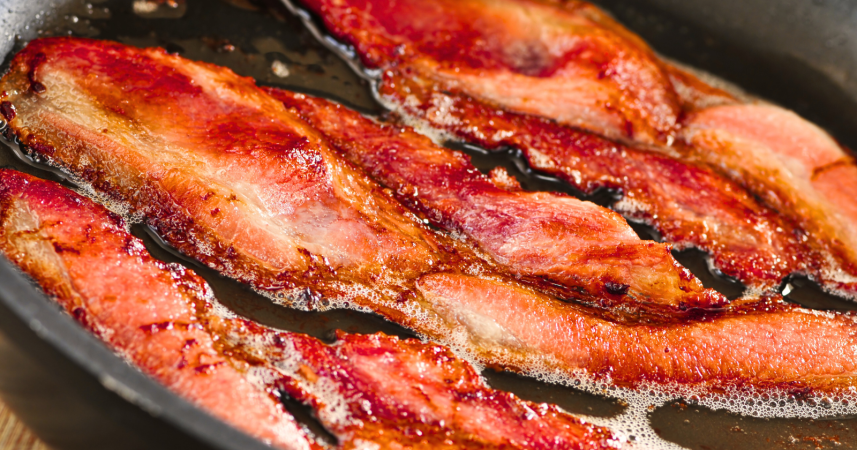
If you’ve never seen a jar of bacon fat living next to the stove like it pays rent, you missed an entire era.
Boomers didn’t just cook bacon and toss the grease.
They saved it—religiously, too—because bacon drippings were a multi-use flavor bomb that turned “basic” into “wow” with almost zero effort.
A spoonful in a pan before sautéing onions makes your whole kitchen smell like you know what you’re doing.
It adds depth to beans, greens, fried potatoes, cornbread, even roasted vegetables if you’re not strictly plant-based.
Why younger cooks skip it: we grew up being told fat was the villain, plus we’re used to clean cooking oils with labels that say things like “cold-pressed” and “extra virgin” and “hand-harvested by angels.”
If you want to try it, start small.
Save drippings from one batch of bacon, strain it through a fine mesh, store it in a small jar in the fridge, and use it like seasoning, not like a lifestyle.
Also, quick life lesson: Older generations chased usefulness, and there’s something weirdly grounding about that.
2) Kitchen Bouquet
This one sounds like a floral arrangement, but it’s actually an old-school secret weapon for color and depth.
Kitchen Bouquet is a browning and seasoning sauce.
Boomers used it to make gravies darker, stews richer-looking, and pot roast feel like it had been simmering all day, even if it hadn’t.
If you’ve ever wondered why your gravy tastes fine but looks kind of beige and sad, this is the kind of thing that fixes that in seconds.
In professional kitchens, we get obsessed with “building layers.”
Browning meat, reducing stock, coaxing flavor out of onions.
Kitchen Bouquet is basically the cheat code version of that.
Not the same as doing it from scratch, but surprisingly effective when you need a quick boost.
A few drops can deepen pan sauces, make lentil stew look more robust, and help soups feel more “finished.”
It’s not trendy but it’s practical, and practical is underrated.
If you’re trying to level up your cooking without adding an hour to your weeknight routine, this is the kind of ingredient that earns its keep.
3) Powdered buttermilk
This is the kind of thing you only discover when you’re trying to bake something at 9 p.m. and the recipe casually asks for buttermilk like it’s always hanging out in your fridge.
Boomers loved powdered buttermilk because it was shelf-stable.
It let you make pancakes, biscuits, ranch-style dressings, and quick breads without planning ahead.
And honestly, powdered buttermilk is kind of brilliant for modern life too.
You can keep it in the pantry, scoop what you need, add water, and move on with your day.
The flavor is tangy and nostalgic in the best way.
It gives baked goods that “something’s missing” fix, like when you eat a biscuit that tastes flat, and you realize it’s missing that little sour edge that makes butter taste even better.
4) Mace
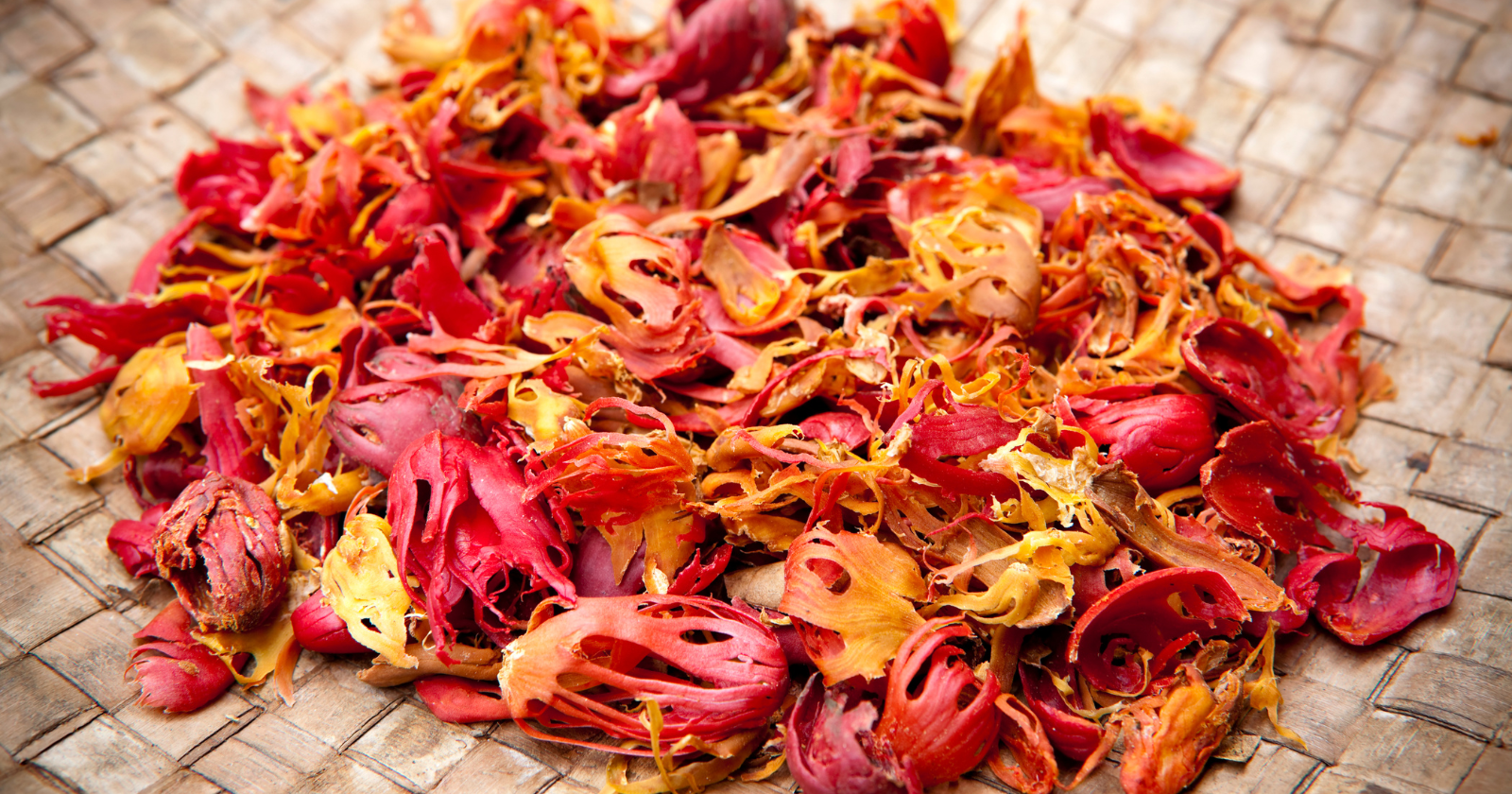
Mace, the spice, comes from the outer covering of the nutmeg seed, and it tastes like nutmeg’s more elegant cousin.
Warmer, slightly peppery, and less “holiday candle” intense.
Boomers used mace in baked goods, creamy sauces, mashed potatoes, and old-school dishes like doughnuts and custards.
It was the quiet little background flavor that made things taste “classic.”
A lot of younger cooks have nutmeg, but mace is the one that makes you go, “Wait, why does this taste like a fancy bakery?”
Try a pinch in:
- Béchamel or any creamy pasta sauce
- Mashed potatoes or cauliflower mash
- Pancakes, waffles, and muffins
- Apple pie filling if you want a subtle upgrade
If you’ve been cooking the same rotation of meals and everything is starting to taste predictable, mace is a reminder that tiny changes matter.
5) Suet
Suet is another ingredient that makes younger cooks blink twice.
It’s the hard fat found around the kidneys of beef or mutton, traditionally used in British and old-school American cooking.
Boomers (and their parents) used it for pie crusts, dumplings, and steamed puddings because it creates a distinct texture: Rich, tender, and kind of impossible to replicate with modern oils.
In my luxury F&B days, I learned that texture is half the experience.
You can have amazing flavor, but if the mouthfeel is off, the whole dish feels wrong.
Suet was a texture tool as much as a flavor tool.
Now, is it essential today? Not for most people, but it’s fascinating.
If you’ve ever wanted to make a proper steak and kidney pie, or those fluffy dumplings that float on top of stew, suet is the real deal.
Older cooks understood that fat isn’t just “calories.”
It’s structure, satisfaction, and it’s why you actually feel fed.
6) Unflavored gelatin
Before “high-protein snacks” became a marketing category, unflavored gelatin was just in the kitchen.
Boomers used it to set desserts, stabilize whipped cream, thicken sauces, and yes, create those retro molded salads that look like they were invented on a dare.
However, gelatin is still incredibly useful if you cook even a little bit.
A tiny bit can:
- Firm up a no-bake cheesecake
- Make panna cotta silky and clean
- Stabilize mousse
- Improve homemade gummies
- Add body to sauces when you don’t want to use flour or cornstarch
Here’s the funny part: A lot of younger cooks do use gelatin!
They buy collagen peptides, marshmallows, gummy supplements, or fancy “set” desserts and act like it’s new.
Gelatin is old knowledge wearing a new outfit.
If you’re trying to get better in the kitchen, pay attention to this pattern.
The world constantly repackages basics and sells them back to us; the skill is learning what’s timeless and what’s just trendy branding.
7) Accent seasoning
Finally, let’s talk about the ingredient that has caused more drama than it deserves.
Accent is a brand of MSG, and in a lot of Boomer kitchens, it was treated like a magic wand.
A pinch in soups, stews, gravies, and meat dishes made flavors pop.
It’s that savory “why is this so good?” effect, the one people now associate with ramen shops, Doritos, and restaurant stir-fries.
Many younger cooks either haven’t heard of it, or they’ve heard scary myths and never touched it.
If you’re curious, think of MSG like salt’s cousin, you sprinkle a little and see what happens.
It won’t replace good cooking, but it can make good cooking taste more complete.
The bottom line
If you’re a younger cook, you don’t need to run out and buy all seven of these ingredients but it’s worth knowing they exist.
Cooking is context, culture, and little tricks passed down by people who cooked through tight budgets, big families, and a lot fewer food delivery options.
Pick one ingredient from this list that made you go, “Wait, what is that?” and try it this week.
Treat it like an experiment, not a personality change.
Having that mindset, the willingness to stay curious and learn in small steps, is basically the whole game in the kitchen and everywhere else.
What’s Your Plant-Powered Archetype?
Ever wonder what your everyday habits say about your deeper purpose—and how they ripple out to impact the planet?
This 90-second quiz reveals the plant-powered role you’re here to play, and the tiny shift that makes it even more powerful.
12 fun questions. Instant results. Surprisingly accurate.